7 Best Posture Correcting Back Supports for Long Knitting Hours
Knit for hours without the ache. Discover our top 7 posture-correcting back supports designed to maintain alignment and comfort during your crafting sessions.
We’ve all been there—lost in a complex cable chart or a rhythmic stockinette marathon, only to realize four hours later that our shoulders are up by our ears. Knitting is a physical craft that demands repetitive motion, and without proper alignment, your body pays the price. Investing in a posture corrector isn’t just about sitting up straight; it’s about ensuring you can keep creating for decades to come. Here are the best supports to help you maintain your form while you work through your stash.
BackEmbrace Posture Corrector: Best for Comfort


If you find that rigid braces dig into your skin while you’re trying to focus on a delicate lace pattern, this is the solution. It’s designed with a soft, breathable fabric that feels more like a supportive garment than a medical device.
For those long sessions of stranded colorwork where you’re holding two strands of yarn at once, you need a corrector that doesn’t restrict your arm movement. The BackEmbrace allows for the full range of motion required to throw or pick yarn efficiently.
The trade-off here is that it offers gentle reminders rather than forceful correction. If you have a habit of truly slouching, this won’t physically force your shoulders back, but it will provide enough tactile feedback to help you self-correct.
Upright GO 2 Posture Trainer: Best for Precision
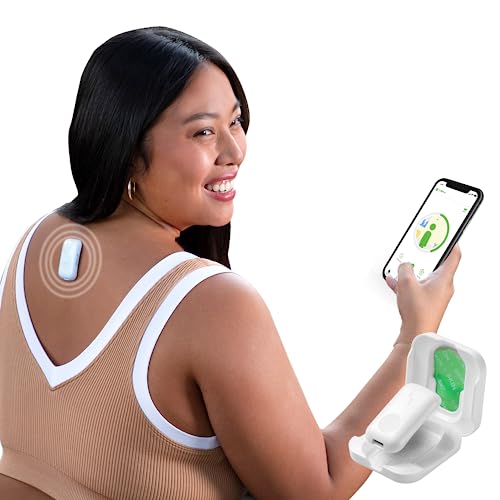
This tiny device is a game-changer for the tech-savvy knitter who wants data-driven feedback. You stick it between your shoulder blades, and it gives a gentle vibration whenever you deviate from your set posture.
It’s perfect for those deep-focus projects, like a complex intarsia sweater, where you might forget your body position entirely. Because it’s so small, it won’t interfere with your cardigan or shawl while you work.
The downside is that it requires consistent use to train your muscles. It’s not a brace that holds you in place; it’s a coach that teaches you how to hold yourself, which is ultimately more sustainable for long-term knitting health.
ComfyBrace Back Support: Best for Daily Knitting

When you’re working through a massive stash-busting project, you need something that can handle hours of daily wear. The ComfyBrace is a classic, sturdy design that provides significant support for the upper back and shoulders.
It’s particularly effective if you tend to lean forward over your needles to see your stitches more clearly. By pulling the shoulders back, it keeps your eyes closer to the work without requiring you to collapse your chest cavity.
Be mindful that this brace is bulkier than others, so it’s best worn over a light base layer. It’s a reliable workhorse, much like a good pair of stainless steel needles—it gets the job done without any fuss.
FlexGuard Support Brace: Best for Lower Back Pain

Knitting isn’t just about the shoulders; if you’re sitting in an unsupportive chair, your lumbar region takes a beating. The FlexGuard provides a wider base of support, which helps stabilize your lower spine during long sessions.
If you’re working on a heavy project, like a wool-blend afghan that sits in your lap, the added weight can pull your posture forward. This brace helps counterbalance that weight by keeping your core engaged.
Because it offers more coverage, it can get warm during the summer months or if you’re using heavy animal fibers like alpaca. Keep your knitting environment cool to ensure you don’t overheat while wearing it.
Berlin & Daughter Posture Bra: Best for Support
For many knitters, the most natural way to correct posture is through the garments they already wear. This posture bra integrates the support directly into your foundation layer, which is brilliant for daily convenience.
It’s an excellent choice if you don’t want to mess with straps or extra hardware over your clothes. It provides a subtle lift that naturally encourages your shoulders to stay back, preventing that characteristic "knitter’s hunch."
The main consideration is fit; because it’s a garment, you must be precise with your measurements. Think of it like swatching for a sweater—if you don’t get the sizing right, the final result won’t provide the support you need.
Evoke Pro Back Brace: Best for Heavy Knitters

If you find that standard braces are too tight or don’t offer enough adjustability, the Evoke Pro is a robust option. It’s highly adjustable, making it easy to dial in the exact level of tension you need.
This is ideal for knitters who spend their time on large-scale projects that require a lot of physical bracing. It’s built to last, much like a high-quality set of interchangeable needles that you’ll use for years.
It is a more intense piece of equipment, so start by wearing it for shorter sessions. You want to build your muscle endurance gradually rather than relying on the brace to do 100% of the work for you.
Neo G Dorsal Support: Best for Spine Alignment
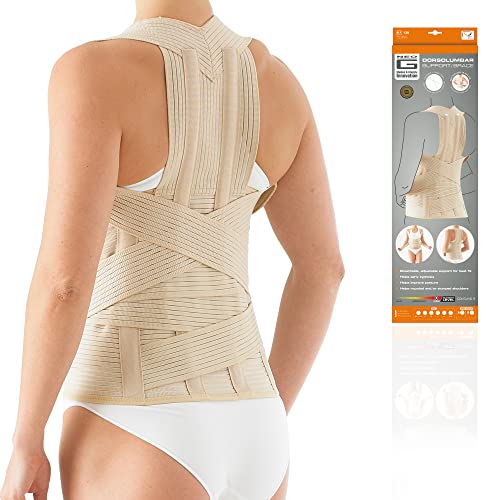
The Neo G is designed specifically to focus on the spine, encouraging a neutral, upright position. It’s less about pulling your shoulders back and more about supporting the natural curve of your back.
This is particularly helpful if you notice your neck aching after a few rows of fine-gauge knitting. By aligning your spine, it takes the strain off your neck muscles, allowing you to knit longer with less fatigue.
It’s a more clinical approach, so it feels quite different from a soft fabric brace. If you have specific alignment issues, this is a solid choice, provided you pair it with a chair that supports your lower back.
Why Knitting Posture Impacts Your Fiber Projects
Your posture directly influences your tension and, by extension, your gauge. When you are hunched over, your breathing becomes shallow and your muscles tighten, which can lead to a tighter, more uneven stitch.
- Tension: Slouching restricts blood flow to your hands, which can make your fingers feel stiff and lead to inconsistent tension.
- Speed: Proper alignment allows for more fluid arm movements, making it easier to maintain a steady rhythm.
- Longevity: Maintaining good posture prevents repetitive strain injuries, ensuring you can knit for years without pain.
Many knitters believe that "being close to the work" requires leaning in, but that’s a misconception. If you can’t see your stitches, adjust your lighting or use a magnifying tool rather than compromising your spine.
How to Adjust Your Chair for Ergonomic Knitting
Your chair is the foundation of your knitting setup. If your feet aren’t flat on the floor, your pelvis tilts, which forces your spine into a curve that creates tension all the way up to your neck.
- Foot Support: Use a footrest if your chair is too high; your knees should be at a 90-degree angle.
- Lumbar Support: A small cushion at your lower back prevents you from sinking into the chair.
- Armrests: Adjust them so your elbows are supported at the same height as your needles, which keeps your shoulders relaxed.
Avoid soft, deep sofas that encourage you to "nest" and slouch. A firmer chair with a straight back is always better for long-term project work, even if it feels less cozy at first.
Simple Stretches to Relieve Knitting Neck Pain
Every 30 minutes, put your needles down and perform a quick "reset." Start by tucking your chin toward your chest to stretch the back of your neck, holding for ten seconds.
Next, roll your shoulders back and down, squeezing your shoulder blades together to open up your chest. This counteracts the forward-leaning motion we all fall into when working on intricate patterns.
Finally, extend your arms forward with palms facing out and gently pull back on your fingers to stretch your wrists and forearms. These simple movements help clear the tension that builds up during long sessions of lace or stranded colorwork.
Finding the right posture support is a personal journey, much like finding your favorite needle material or yarn weight. Whether you prefer the gentle feedback of the BackEmbrace or the clinical precision of the Upright GO 2, the goal remains the same: protecting your body so you can keep creating. Don’t wait for the pain to start before you make a change to your setup. Happy knitting, and take care of your hands and back as much as you take care of your stitches.