6 Best Weaving Needles For Loom Finishing To Try
Finish your loom projects with ease. We review the six best weaving needles for seamless finishing, focusing on durability, eye size, and material quality.
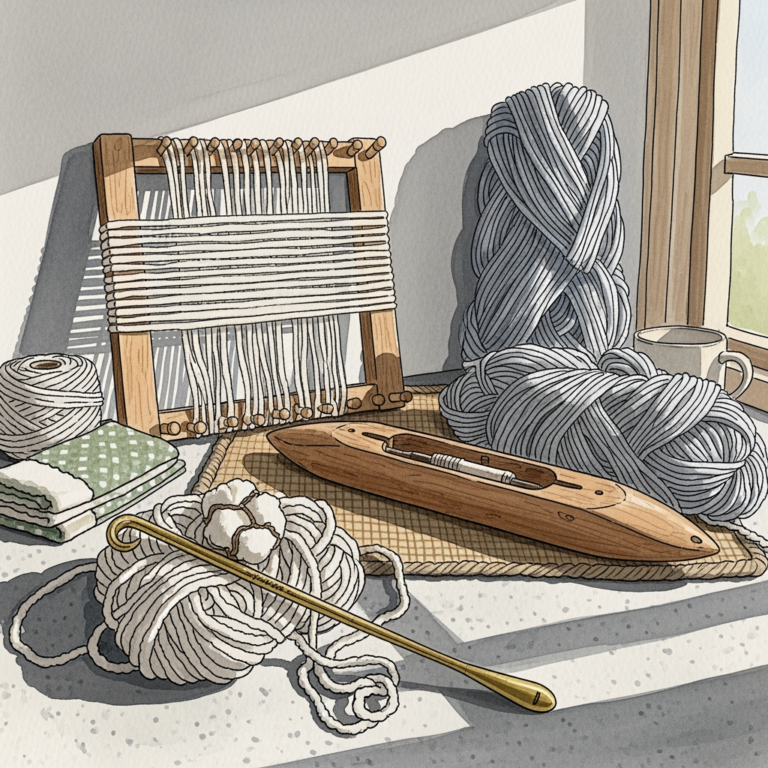
Finishing a weaving project is the final, crucial step that transforms a loose web of threads into a professional-grade textile. Choosing the right needle can mean the difference between a clean, invisible finish and a frustrating battle with snagged fibers. Throughout my two decades at the loom, I have found that the right tool doesn’t just make the job easier; it makes the weave itself last longer. Here are the top contenders to help you secure your ends with confidence.
Clover Bent Tip Tapestry Needles: Best Overall


These needles are the gold standard for a reason: that slight curve at the tip is a game-changer. When you are working through a dense warp, a straight needle often forces you to pierce the fibers of your threads, which can weaken the structure.
The bent tip allows you to glide effortlessly underneath existing weft threads without catching or splitting them. It essentially acts as a guide, helping you navigate the "under-over" path of your weave with minimal resistance.
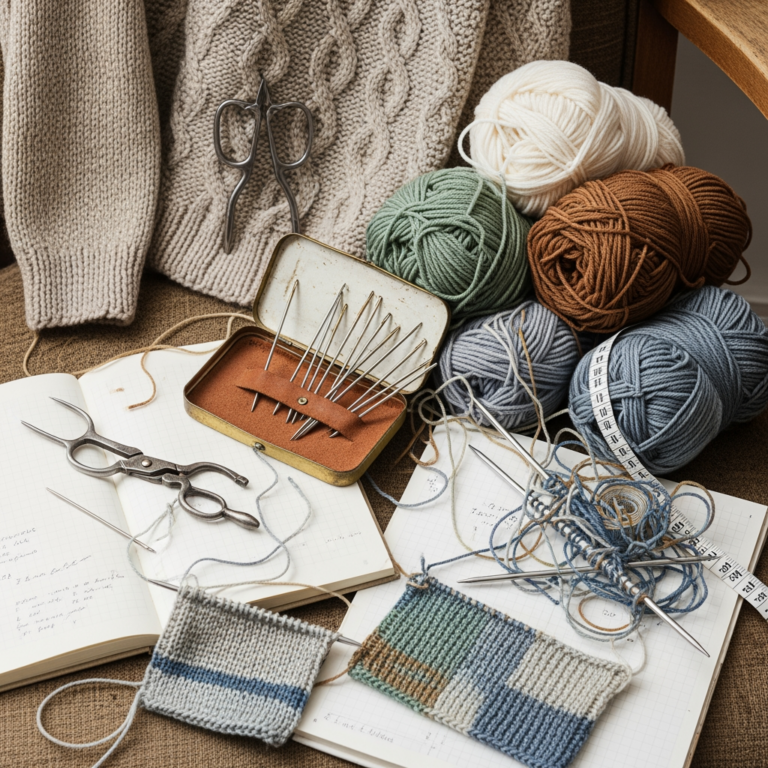
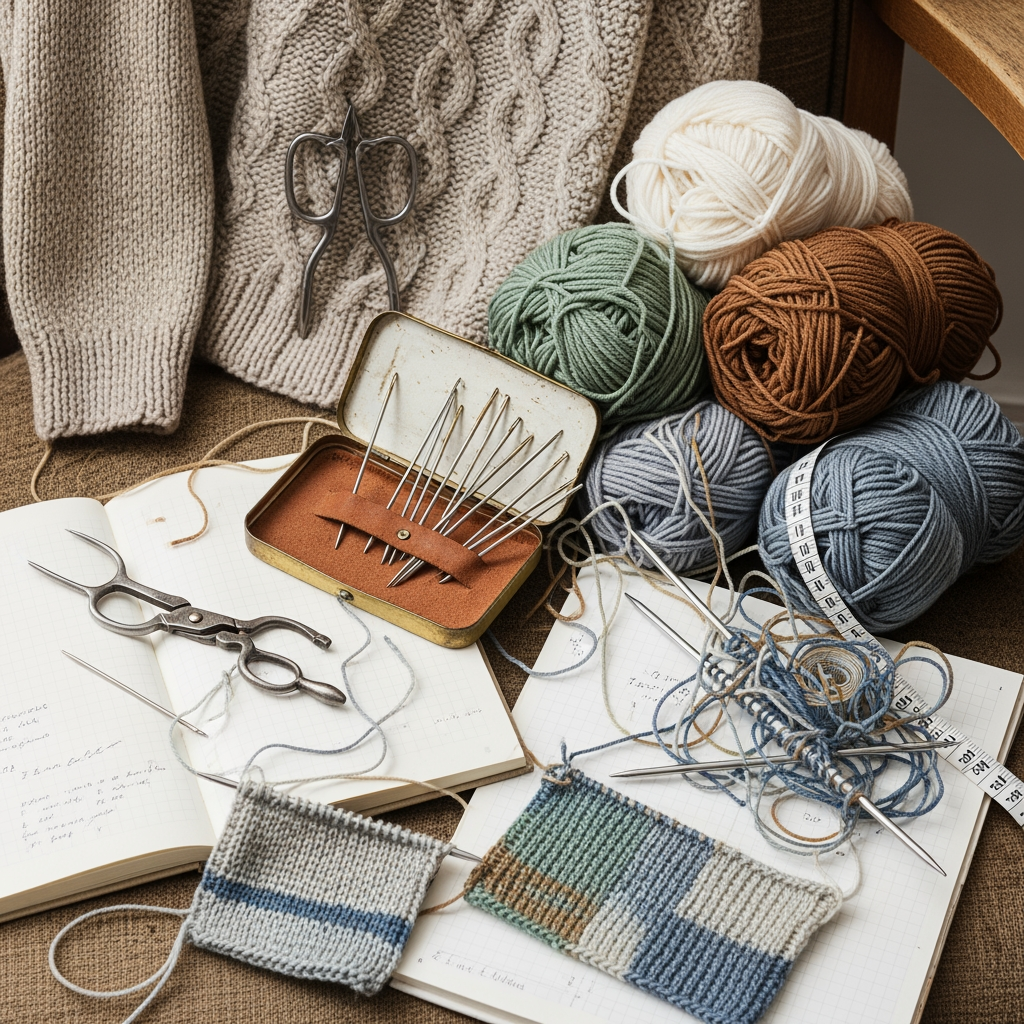
I recommend keeping a set of these on your magnetic needle minder at all times. They are particularly forgiving for beginners who might not yet have the muscle memory to navigate tight tension without snagging.
Dritz Yarn Darner Needles: Best for Thick Yarns
When you are working with bulky art yarns or heavy wool rovings, standard tapestry needles often have eyes that are simply too small. The Dritz Yarn Darner is designed with a long, slender body and a large eye, making it the perfect tool for chunky projects.
The length of these needles is a significant advantage when you need to weave in a long tail across a wide span of fabric. You can pick up several threads at once, which speeds up the finishing process significantly.
Just be aware that because these are longer, they can be slightly more cumbersome in tight spaces. Use these when you have ample room to maneuver and need to accommodate a thick, plied yarn.
ChiaoGoo Stainless Steel Needles: Best Durability

If you are a weaver who works primarily with high-tension materials like linen or cotton, you know the frustration of a needle tip that bends or blunts over time. ChiaoGoo’s stainless steel needles are incredibly rigid and hold their shape through years of heavy use.
These needles have a polished finish that is exceptionally slick, allowing them to slide through even the tightest, most stubborn weave. They don’t have the "grip" that nickel-plated or plastic needles might have, which is a major plus when working with sticky wools.
The only downside is that they can be slippery if your hands are prone to sweat. If you find them sliding out of your grip, a quick wipe with a damp cloth or using a thimble can help maintain control.
Bohin France Tapestry Needles: Best for Precision

Bohin needles are legendary for their quality, featuring a high-polish finish that feels like silk against the fiber. They are the most precise needles I have used for fine-thread weaving or intricate tapestry work where every millimeter counts.
The eyes are perfectly smooth, which is critical when working with delicate silk or hand-spun yarns that are prone to fraying. A rough eye can shred a delicate yarn, but these are engineered to protect the integrity of your thread.
If you are working on a piece that will be entered into a gallery or a gift for a special occasion, reach for these. They provide a level of finesse that mass-produced needles simply cannot match.
Tulip Etimo Tapestry Needles: Best Ergonomics
Finishing a large wall hanging can involve hours of weaving in ends, which can lead to hand fatigue. The Tulip Etimo needles are designed with a focus on comfort, featuring a slightly thicker, contoured grip area that feels substantial in the hand.
The steel is high-quality, and the tips are rounded just enough to be safe without being blunt. They strike a perfect balance between sharpness for piercing and roundness for gliding.
These are an investment, but if you suffer from arthritis or general hand strain, they are worth every penny. They turn a tedious chore into a much more comfortable experience.
John James Finishing Needles: Best for Fine Work

John James has been manufacturing needles for centuries, and their expertise shows in their finishing needles. These are the needles I reach for when I am working with fine-gauge threads or delicate lace-weight warps.
They are incredibly thin, allowing you to weave ends into very tight spaces where a thicker needle would cause the fabric to bulge. Despite their thin profile, they are surprisingly strong and resistant to snapping.
Keep these in your kit specifically for your most delicate projects. They are the professional’s choice for ensuring that, even in fine work, the ends remain invisible and secure.
Why Bent Tip Needles Are Essential for Weaving
The primary challenge in weaving is moving through a dense grid of intersecting threads without disrupting the established pattern. A straight needle often wants to travel "into" the threads, while a bent tip naturally wants to travel "across" them.
By using a bent tip, you can keep the needle flush against the back of your work. This prevents the needle from popping through to the front of your piece, which is the most common cause of visible weaving errors.
It is a simple mechanical advantage that saves you from having to constantly check the front of your work. Once you switch to a bent tip, you will likely find it difficult to go back to a straight needle for finishing.
Choosing the Right Needle Eye for Your Yarn Weight
The eye of the needle should be large enough to hold your yarn comfortably without forcing you to struggle, but not so large that it creates a massive hole in your fabric. If you have to fight to get the yarn through the eye, you are using the wrong tool.
- For thin, lace-weight yarns: Use a needle with a narrow, elongated eye to prevent bunching.
- For medium, worsted-weight yarns: A standard tapestry eye is usually sufficient.
- For bulky, art yarns: Look for a "yarn darner" style with an oversized eye.
Always perform a "test pull" with your yarn through the needle eye before you start. If the yarn is being stripped or shredded by the eye, swap to a larger needle immediately.
How to Properly Secure Ends in Woven Projects
The goal of finishing is to make the end disappear while ensuring it never works its way out. The best technique is to follow the path of the existing weft thread for at least an inch, weaving in and out of the warp threads.
Never just knot the ends; knots create bulk that will show on the surface of your textile. Instead, "split" the ply of the yarn you are weaving into to lock the tail in place.
By splitting the yarn, you create a mechanical anchor that prevents the tail from sliding back out over time. When finished, trim the excess yarn close to the fabric, but not so close that the end can pop out after a wash.
Maintenance Tips to Prevent Needle Rusting
Needles, especially those made of steel, are susceptible to moisture and the natural oils on our skin. Over time, these can lead to oxidation or rust, which will snag your beautiful fibers and potentially leave marks on light-colored yarn.
- Wipe them down: After finishing a project, give your needles a quick wipe with a dry, lint-free cloth.
- Use a needle case: Store them in a dry, enclosed container rather than leaving them stuck into a pincushion where they are exposed to air.
- Add a desiccant: If you live in a humid climate, keep a small silica packet in your needle case to absorb moisture.
If you do find a spot of rust, do not use the needle; it will catch on your yarn and potentially ruin your work. It is far cheaper to replace a single needle than to repair a snagged woven piece.
Mastering the art of loom finishing is a journey of finding the tools that align with your specific weaving style and yarn preferences. Whether you prioritize the ergonomic comfort of Tulip needles or the precision of Bohin, the right choice will make your final steps as enjoyable as the weaving itself. Take the time to experiment with these options, and you will find that a clean finish is the true hallmark of an expert maker. Happy weaving, and may your ends always stay tucked away!