6 Best Rust-Resistant Blocking Pins For Damp Environments
Protect your fiber projects from rust with these top-rated blocking pins. Discover the six best corrosion-resistant options for humid or damp environments.
Blocking is the final, transformative step that turns a puckered, uneven piece of knitting into a professional-grade garment. However, nothing ruins a labor-intensive lace shawl faster than a stray rust stain blooming on your delicate mohair. Choosing the right pins is not just about convenience; it is a vital insurance policy for your hard work. This guide explores the best rust-resistant options to ensure your blocking process remains clean and stress-free.
Clover T-Pins: Best Rust-Resistant Choice
Clover has long been the gold standard for consistent quality in the knitting world. Their T-pins are legendary for a reason: they are incredibly smooth and glide through even the tightest stitch patterns without snagging.
When you are working with luxury fibers like silk or high-end merino, you need a pin that won’t compromise the yarn’s integrity. These pins resist oxidation remarkably well, even when left in a damp, blocked piece for several days.
The "T" head is ergonomically designed, making them easy to push into thick blocking mats and simple to remove without straining your fingers. For the knitter who values reliability above all else, these are the go-to choice.
Knitter’s Pride Stainless Steel T-Pins


If you struggle with pins that bend under the tension of a heavy wool sweater, Knitter’s Pride offers a stiffer, more robust alternative. These stainless steel pins are engineered to hold their shape, which is essential when you are aggressively stretching a project to open up lace motifs.
Because they are made from high-grade stainless steel, they are naturally resistant to the moisture that causes cheaper alloys to fail. I find these particularly useful when blocking damp, heavy items like cabled blankets that require a longer drying time.
They are slightly thicker than standard pins, so be mindful when working with very fine lace weight yarns. However, for most garments, the extra strength is a major advantage.
Cocoknits Rust-Resistant Blocking Pins
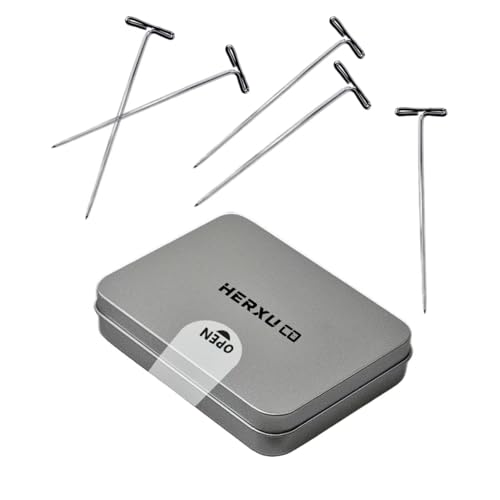
Cocoknits understands the aesthetic and functional needs of the modern maker better than almost anyone. Their pins are specifically marketed for their rust-resistant properties, which is a massive relief for those of us who live in humid climates.
The finish on these pins is exceptionally smooth, ensuring they won’t catch on fibers as you pin your work. They come in a high-quality storage tin, which is a thoughtful touch that helps keep your tools organized and dry.
While they are a premium investment, the peace of mind they provide is worth the cost. If you are blocking a light-colored or white project, these are the pins I recommend to prevent any potential discoloration.
Susan Bates Steel Blocking T-Pins

Susan Bates is a staple in the knitting community, and their steel T-pins are a reliable workhorse for any knitter’s kit. They are widely available and offer a solid, no-nonsense performance that holds up well over time.
While they may not have the fancy finish of boutique brands, they are consistently reliable in terms of rust resistance. I have used these for years on various projects, and they remain a staple in my own blocking drawer.
They are best suited for the knitter who wants a dependable, affordable tool that just works. Just remember to keep them dry after use to extend their lifespan indefinitely.
Boye Rust-Resistant Blocking T-Pins
Boye pins are often the first set a new knitter purchases, and they are surprisingly resilient for their price point. They are sturdy enough for basic blocking needs and provide a secure hold for most standard-weight yarns.
The key to using these effectively is to ensure they are fully dried after your project has finished blocking. While they are marketed as rust-resistant, all steel tools benefit from a quick wipe-down before being put back into storage.
They are an excellent option for beginners who are still learning the ropes of blocking. You won’t feel guilty if you lose a few, and they perform admirably for everyday projects like scarves and hats.
Dritz Extra-Long Steel Blocking Pins
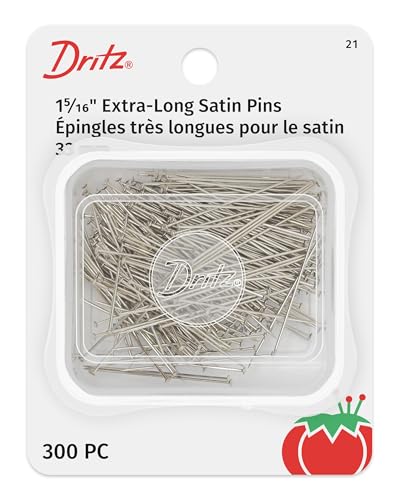
Sometimes you need a little extra reach, especially when pinning multiple layers or thick, heavy-gauge fabric. Dritz extra-long pins provide that necessary depth, allowing you to secure your project firmly to the mat.
The extra length is a game-changer when you are blocking projects with a lot of "spring" or tension. Because they are made from high-quality steel, they don’t sacrifice durability for their size.
They are a specialized tool, but one that you will be glad to have in your collection when the time comes. They are particularly effective for blocking heavy sweaters or thick, felted items.
Why Rust Resistance Matters in Blocking
Rust is the silent enemy of the knitter. It occurs when iron-based metals are exposed to oxygen and moisture, creating a reddish-brown stain that is notoriously difficult to remove from natural fibers.
When you block a project, you are intentionally introducing moisture to the yarn. If your pins are not rust-resistant, you are essentially creating the perfect environment for corrosion to begin.
A single rust mark can ruin a project that took weeks or even months to complete. Investing in quality, rust-resistant pins is a small price to pay to protect your time and effort.
Understanding Stainless Steel vs. Nickel
Not all metal pins are created equal, and understanding the material composition is key to avoiding rust. Stainless steel is generally the best choice because it contains chromium, which forms a protective layer against oxidation.
Nickel-plated pins are common, but they rely on a thin coating to prevent rust. If that coating gets scratched—which happens easily when pushing pins into a mat—the base metal is exposed, and rust will eventually form.
- Stainless Steel: Durable, rust-resistant, and long-lasting.
- Nickel-Plated: Affordable, but prone to rust if the coating is compromised.
- Plastic-Coated: Excellent for preventing rust, but often too thick for delicate lace.
How to Properly Store Your Blocking Pins
The way you store your pins is just as important as the quality of the pins themselves. Never leave your pins in the blocking mat after the project is dry; the mat can trap moisture, accelerating the rusting process.
Invest in a moisture-proof container or a tin with a silicone desiccant packet. This simple addition absorbs any ambient humidity in your storage area, keeping your pins pristine.
Avoid storing your pins in damp basements or bathrooms. A cool, dry cupboard is the ideal environment for your knitting tools.
Best Practices for Humidity-Free Blocking
If you live in a high-humidity environment, you have to be proactive about your drying process. Use a fan to circulate air around your blocking project, which helps it dry faster and reduces the time the pins spend in a damp environment.
Consider using a dehumidifier in the room where you block your projects. This not only protects your pins but also helps your hand-knits dry at a more consistent rate.
Finally, always check your pins for any signs of wear or damage before using them on a precious project. If a pin looks scratched or shows signs of oxidation, it is time to retire it.
Blocking is an essential skill that elevates your knitting from a homemade craft to a professional heirloom. By choosing high-quality, rust-resistant pins and storing them with care, you ensure that your projects remain as beautiful as the day they left your needles. Don’t let a small tool failure compromise your hard work; equip your kit with the right gear and block with confidence. Happy knitting, and may your stitches always be perfectly aligned.