7 Best Wooden Yarn Bowls For Smooth Feeding
Discover 7 top-rated wooden yarn bowls designed for smooth, snag-free knitting. Explore our expert guide to choosing the perfect tool for your craft projects.
Every knitter knows the frustration of a yarn cake rolling across the floor, picking up pet hair and dust along the way. A quality wooden yarn bowl acts as a dedicated anchor, keeping your tension consistent and your fiber pristine while you work. Choosing the right bowl is about more than aesthetics; it is about creating a frictionless environment for your yarn to feed smoothly. Here are seven top-tier wooden options to elevate your knitting station and protect your precious stash.
Nagina International Rosewood Yarn Bowl: Best Overall
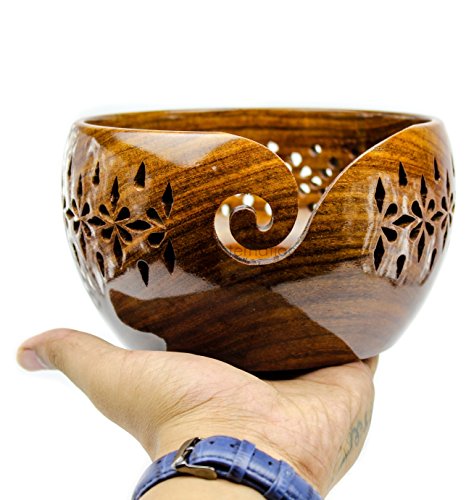

When it comes to a perfect balance of weight and beauty, the Nagina International Rosewood bowl is a standout. Rosewood is naturally dense and heavy, which provides the necessary inertia to keep the bowl from sliding across your coffee table as you pull for more yarn.
The deep, rich grain of the wood isn’t just for looks; it is incredibly durable and resistant to the minor dings that happen during long knitting sessions. Because the wood is naturally oily, it develops a beautiful patina over time that feels smooth to the touch.
This bowl is the best overall choice because it accommodates both standard 50g balls and larger 100g cakes without feeling cumbersome. If you frequently switch between projects, the stability of this bowl ensures you aren’t constantly chasing your yarn across the room.
Yarn Valet Wooden Yarn Bowl: Best For Portability

If you are a "knit-on-the-go" enthusiast who takes projects to workshops or coffee shops, the Yarn Valet is your best friend. Unlike heavy, stationary bowls, this design is compact and lightweight, making it easy to slip into a project bag.
Portability often comes at the cost of stability, but this bowl manages to stay grounded thanks to a clever, low-profile base. It is ideal for those who prefer to keep their yarn contained in a small space rather than having a large wooden bowl occupying the entire side table.
The trade-off here is capacity; it isn’t built for massive, multi-skein afghan projects. However, for a pair of socks or a delicate lace cowl, it provides the perfect amount of containment without the extra bulk.
Frank Edgar Handcrafted Oak Bowl: Best Artisan Pick
The Frank Edgar Handcrafted Oak Bowl is for the knitter who appreciates the soul of a handmade tool. Oak is an incredibly robust, tight-grained wood, meaning these bowls are built to last for generations of knitting.
What sets this artisan piece apart is the precision of the spiral cut. A poorly cut spiral can snag delicate fibers like mohair or single-ply wool, but the hand-finished edges here are exceptionally smooth.
Investing in an artisan piece like this is about the tactile experience of your tools. If you spend hours every week knitting, having a tool that feels like a piece of art can make your creative time feel significantly more intentional and rewarding.
KnitPal Premium Sheesham Wood Bowl: Best For Stability

Stability is the primary concern for knitters who work with high-tension stitches, such as twisted ribbing or tight colorwork. The KnitPal Sheesham bowl is significantly heavier than most, which prevents it from "walking" when you tug on your yarn.
Sheesham, or Indian Rosewood, is prized for its interlocking grain, which makes it resistant to splitting or cracking in dry climates. This is a crucial consideration if you live in a region with low humidity, where wooden tools can sometimes warp or splinter over time.
The weight of this bowl makes it a reliable anchor for center-pull cakes that might otherwise collapse or bounce. If you find yourself constantly re-adjusting your bowl during a row, the sheer mass of this Sheesham piece will solve your problem instantly.
G-W 6-Inch Mango Wood Yarn Bowl: Best Budget Choice
You don’t need to break the bank to get the benefits of a yarn bowl, and the G-W Mango Wood option proves that point. Mango wood is a sustainable, fast-growing timber that offers a surprisingly smooth finish at a very accessible price point.
This bowl is lightweight and compact, making it a great entry point for beginners who are just starting to build their toolkit. While it lacks the extreme density of rosewood, it is perfectly capable of holding a standard yarn cake securely.
The bottom line for budget shoppers: don’t sacrifice quality for price by buying plastic. A simple, well-sanded wooden bowl like this provides the same functional benefits—preventing tangles and keeping yarn clean—as more expensive artisan versions.
FiberArtist Supply Co. Maple Bowl: Best Large Capacity

For those tackling large-scale projects like heavy wool sweaters or chunky blankets, the FiberArtist Supply Co. Maple bowl is a game-changer. Maple is a hard, light-colored wood that is exceptionally smooth, ensuring even the stickiest wool won’t catch on the sides.
The generous dimensions of this bowl mean you can fit a jumbo-sized cake of yarn without it popping out of the top. When you are working on a project that requires a lot of yarn, the last thing you want is to stop every twenty minutes to re-ball your fiber.
Because maple is lighter in color, it also provides a great contrast against dark-colored yarns, making it easier to see your stitches if you happen to be working in low light. It is a workhorse bowl designed for the knitter who doesn’t like to compromise on project size.
Lacis Wooden Yarn Bowl With Lid: Best For Tangles

The Lacis bowl with a lid is the ultimate solution for knitters with pets or children who love to "help" with their yarn. The lid keeps the yarn contained and prevents it from jumping out of the bowl during vigorous knitting.
Beyond protection, the lid helps maintain a consistent tension by creating a slightly enclosed environment. This is particularly helpful when working with slippery fibers like silk or bamboo, which tend to slide off the ball and create a tangled mess.
While some knitters find lids slightly cumbersome, the security they provide is unmatched. If you are prone to leaving your knitting out on the sofa, this bowl ensures your project remains exactly as you left it, free from loops and knots.
How to Choose the Right Wood Type for Your Yarn Bowl
When selecting a bowl, you are choosing between density, grain, and finish. Heavier woods like Rosewood and Sheesham are superior for stability, while lighter woods like Maple or Mango are better for portability and ease of handling.
- Rosewood/Sheesham: Best for heavy-duty, stationary use; very stable.
- Maple: Best for a smooth, snag-free surface; great for delicate fibers.
- Mango: Best for sustainability and budget-conscious knitters.
- Oak: Best for longevity and durability; a classic, sturdy choice.
Consider your climate as well. If you live in a very dry environment, look for denser woods that are less prone to cracking. Always check that the wood has been properly seasoned, as unseasoned wood can warp when exposed to the moisture present in natural fibers.
Why Smooth Finishes Prevent Yarn Snags and Splitting
Your yarn bowl is only as good as its interior finish. Even the most beautiful bowl becomes a liability if the wood grain is rough, as it can snag the plies of your yarn and cause fraying, especially with softer, single-ply fibers.
A high-quality bowl should feel like glass to the touch. If you run your fingers along the inside and feel any resistance or splinters, the bowl will eventually damage your yarn.
- Check the spiral: Ensure the cut of the yarn guide is rounded and polished.
- Check the base: A smooth, sanded interior is essential for preventing snags.
- Check the finish: Look for bowls sealed with natural oils or waxes rather than cheap, peeling varnishes.
If you find a bowl you love that feels slightly rough, you can often buff it with a very fine-grit sandpaper and a bit of wood wax. However, for most knitters, starting with a professionally finished piece is the best way to protect your investment in high-quality yarn.
Essential Maintenance Tips for Wooden Yarn Bowls

Wooden yarn bowls are living tools that require a little bit of care to stay in top shape. Because wood is porous, it can dry out over time, which may lead to small surface cracks if not properly maintained.
Once or twice a year, treat your bowl with a food-safe wood conditioner or mineral oil. Simply apply a small amount with a soft cloth, let it soak in, and wipe away the excess; this keeps the wood supple and maintains that signature smooth finish.
Avoid leaving your bowl in direct sunlight or near heat sources like radiators, as extreme temperature changes can cause the wood to expand and contract. Treat your bowl with the same care you give your favorite needles, and it will serve as a reliable companion for your knitting journey for years to come.
Investing in a wooden yarn bowl is a commitment to the longevity of your projects and the enjoyment of your craft. Whether you prioritize the heavy stability of a Rosewood bowl or the portable convenience of a smaller design, the right tool will make your knitting experience feel more fluid and controlled. Choose the bowl that fits your specific knitting habits, keep it well-maintained, and enjoy the peace of mind that comes with a tangle-free, organized workspace. Happy knitting!