6 Best Fiber Storage Crates For Breathability
Protect your yarn and fabric with these six breathable storage crates. Our guide highlights top picks that prevent moisture buildup and keep fibers fresh.
Storing your precious yarn stash isn’t just about tidiness; it is a fundamental act of fiber preservation. After two decades of managing everything from delicate lace-weight mohair to rustic, unwashed wool fleeces, I have learned that airflow is your best defense against moisture and pests. These six storage solutions balance accessibility with the critical need for your fibers to breathe.
Container Store Mesh Bins: Best Overall Choice
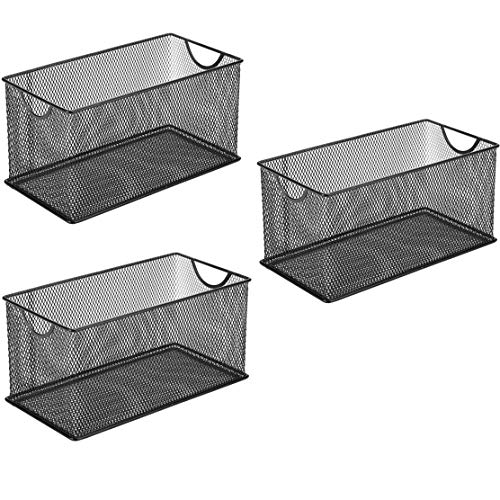

These mesh bins are the gold standard for a reason. The fine-gauge wire mesh allows for maximum air circulation while preventing even the smallest strands of yarn from snagging on the sides.
If you have a collection of high-end silk or alpaca blends, these bins are an excellent investment. They keep your yarn visible, which is vital for those of us who tend to "shop our stash" before starting a new project.
The only downside is the potential for dust accumulation on the top of the yarn. I recommend keeping these inside a closet or a dedicated craft cabinet to mitigate that risk.
Sterilite Woven Plastic Baskets: Best Value

For the knitter on a budget or those with a rapidly expanding collection, these woven plastic baskets offer an affordable middle ground. They mimic the look of natural wicker without the risk of splintering or snagging your delicate fibers.
The "woven" pattern provides enough holes for air to move through, preventing the musty smell that often develops in solid plastic bins. They are lightweight, making it easy to pull a bin down from a high shelf when you are hunting for that one specific skein of worsted weight wool.
Be aware that the plastic edges can sometimes have tiny, sharp burrs from the manufacturing process. A quick pass with a fine-grit sandpaper or a file will ensure your yarn stays snag-free.
Whitmor Wicker-Style Resin Totes: Best Style

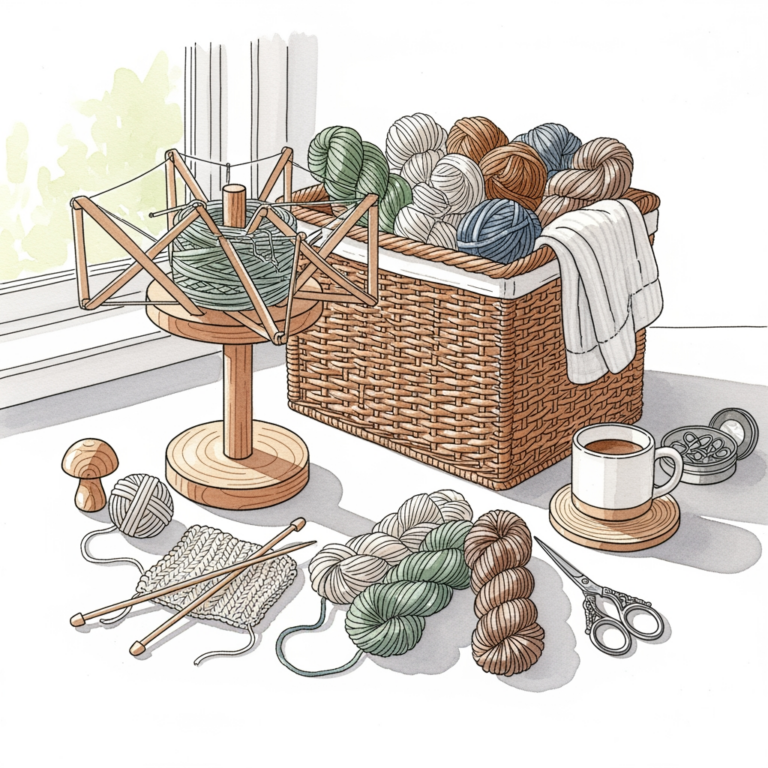
If your yarn stash lives in your living room, you likely want storage that doesn’t look like a utility closet. These resin totes are aesthetically pleasing and offer a sturdy, structured shape that holds its own even when half-empty.
The resin construction is far more durable than natural wicker, which can dry out and break over time. It also lacks the organic fibers that might attract certain types of pests, making it a safer choice for long-term storage.
While they look great, they are slightly heavier than mesh alternatives. They are best suited for storing your "active" stash—the projects you are currently rotating through—rather than deep storage in the attic.
Iris USA Modular Wire Crates: Best Durability

When you are storing heavy, bulky yarns like chunky merino or cotton cord, you need something that won’t buckle under the weight. These modular wire crates are essentially indestructible and allow for a customizable configuration that fits your specific space.
The open wire design is the ultimate for breathability. Because there is so much airflow, these are arguably the best choice for storing hand-dyed yarns that might still have a trace of residual moisture from the dyeing process.
The modular nature means you can stack them as your stash grows. Just ensure you use cable ties or connectors to secure the stack if you have curious pets or children in the house.
Seville Classics Bamboo Bins: Best Eco-Option

Bamboo is a fantastic choice for the eco-conscious knitter, offering a natural, renewable material that looks sophisticated in any home. These bins usually feature a slatted design, which promotes excellent airflow while keeping your yarn contained.
Bamboo is naturally moisture-resistant, which is a major plus if you live in a humid climate. It won’t warp or mildew as easily as other woods, providing a stable environment for your natural fibers.
One thing to watch for: ensure the bamboo is finished smoothly. If you notice any rough spots, line the bin with a piece of acid-free tissue paper to protect your yarn from catching.
mDesign Metal Grid Baskets: Best Visibility

If you have a habit of forgetting what you own, these metal grid baskets are a game-changer. The open grid pattern makes it incredibly easy to see the colorway and weight of every skein at a glance.
They are particularly useful for organizing by fiber type or project weight. I like to keep my sock yarns in one grid basket and my sweater quantities in another, making it simple to grab exactly what I need for a gauge swatch.
Because they are metal, they are very easy to wipe down and sanitize. If you ever have a spill or a mishap in your craft room, these are the easiest to clean and keep looking like new.
Why Breathability Matters for Natural Fibers
Natural fibers like wool, alpaca, and silk are proteins, and they are inherently "alive" in the sense that they react to their environment. If you seal them in airtight plastic bags, you trap moisture, which creates a breeding ground for mildew and mold.
Breathability allows your yarn to regulate its own moisture content. When air flows freely, it prevents the buildup of humidity that can cause fibers to become brittle or, worse, damp.
Think of your yarn like a fine sweater; you wouldn’t store a hand-knit garment in a vacuum-sealed bag for years without consequences. Treat your stash with the same respect you give your finished objects.
How to Properly Organize Your Yarn Stash
Start by grouping your yarn by weight—fingering, sport, worsted, and chunky—because this is how you will reach for it when checking patterns. Within those weight categories, consider organizing by fiber content or color, depending on what makes your creative process flow better.
Don’t overstuff your bins. If you cram too much yarn into a single crate, you effectively negate the benefits of the breathable design by cutting off the airflow.
Labeling your bins is also a pro move. Even if you think you’ll remember what’s in each box, a simple tag indicating the fiber type and weight will save you hours of digging later on.
Preventing Moth Damage in Fiber Storage
Moths are the nightmare of every serious knitter, and they thrive in dark, undisturbed, and unventilated spaces. By using breathable crates, you are already making your stash less attractive to them because you are disrupting their preferred environment.
Never store dirty yarn. Even if a skein looks clean, it may contain microscopic skin cells or food particles that attract pests. Always wash and dry your fleeces or hand-spun yarns thoroughly before putting them into long-term storage.
Consider adding natural deterrents like cedar blocks or lavender sachets to your bins. These provide a pleasant scent and can help discourage pests from setting up shop in your beautiful wool.
Essential Tips for Long-Term Yarn Care
Keep your yarn out of direct sunlight. Ultraviolet light can fade beautiful hand-dyed colors and weaken the structural integrity of natural fibers over time.
Rotate your stash periodically. Even if you aren’t using a particular yarn, taking it out of the bin, giving it a little shake, and letting it air out for a few minutes can prevent the fibers from becoming compressed or musty.
Finally, remember that your stash is meant to be used, not just curated. Don’t be afraid to take your yarn out, touch it, and dream about your next project; the act of handling your yarn is the best way to ensure it stays in good condition.
Choosing the right storage is a simple way to honor the time and money you have invested in your craft. Whether you opt for sleek metal grids or warm bamboo bins, prioritize airflow to keep your fibers healthy and ready for your needles. Happy knitting, and may your stash remain ever-organized and moth-free.