6 Best Posture Cushions For Seated Knitting To Try
Improve your knitting comfort with our top 6 posture cushions. Discover ergonomic designs that reduce strain and support your spine during long craft sessions.
Knitting for hours on end is a labor of love, but it often leaves us with stiff hips and a nagging lower back. Finding the right posture cushion can transform your marathon knitting sessions from a test of endurance into a truly relaxing experience. A supportive seat isn’t just a luxury; it is a vital tool for maintaining the physical longevity required to finish that complex cabled sweater. Here are six top-tier cushions to help you stay comfortable while you work through your stash.
Everlasting Comfort Memory Foam: Best Overall Pick
When you are deep into a complex lace project, you need a cushion that doesn’t flatten out after ten minutes. The Everlasting Comfort Memory Foam cushion is a standout because it balances density with responsiveness. It contours to your body, providing a stable base that prevents you from slouching as your focus shifts to your stitches.


This cushion is particularly effective for those who knit on wooden chairs or stools that lack natural padding. If you are working with slippery materials like silk or bamboo yarn, you need a steady posture to maintain consistent tension. A stable seat ensures your hands stay in the "sweet spot" relative to your needles, preventing unnecessary strain on your shoulders.
The memory foam is heat-responsive, meaning it softens slightly as you sit, creating a personalized fit. However, be aware that it can retain body heat during long summer knitting sessions. If you tend to run warm while working on heavy wool projects, keep your workspace well-ventilated.
Purple Royal Seat Cushion for Long Knitting Sessions
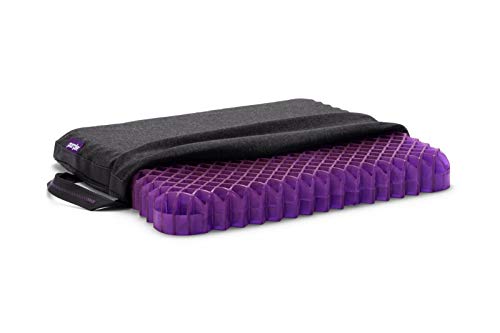
The Purple Royal cushion uses a unique grid design that feels unlike traditional foam. It is designed to distribute weight evenly, which is a lifesaver when you are powering through the final repeats of a long-tail cast-on. Because the material is highly breathable, it stays cool even when you are working on a large-scale project that sits in your lap for hours.
This cushion is exceptionally durable and holds its shape regardless of how many thousands of rows you knit. For knitters who suffer from tailbone pressure, the "floating" feeling of this grid can provide significant relief. It’s a great choice if you find that traditional foam cushions feel too "dead" or compressed after an hour of sitting.
Keep in mind that this cushion is slightly firmer than standard memory foam. If you prefer a soft, "sinking" sensation, this might feel a bit rigid at first. It is best suited for knitters who prioritize structural support and airflow over plush, cloud-like softness.
ComfiLife Gel Enhanced Seat Cushion for Alignment

Proper posture starts with your pelvis, and the ComfiLife Gel Enhanced cushion is built to encourage a neutral spine. It features an ergonomic cutout designed to reduce pressure on your coccyx, which is essential when you are hunched over a pair of circular needles. By promoting better alignment, it helps prevent that post-knitting slump that often leads to neck pain.
The gel-enhanced layer adds a cooling element that is quite refreshing during intense colorwork sessions. When you are concentrating on floats and tension, you don’t want to be distracted by discomfort. This cushion keeps you physically centered, allowing you to focus entirely on your gauge and stitch definition.
One thing to note is the thickness of the cushion; it will raise your seating position by a few inches. Make sure your chair arms or your knitting table are adjusted accordingly so your elbows remain at a comfortable, ergonomic angle. If your arms are too high or low, you will end up with wrist fatigue regardless of how good your seat is.
Kieba Coccyx Seat Cushion for Lower Back Relief
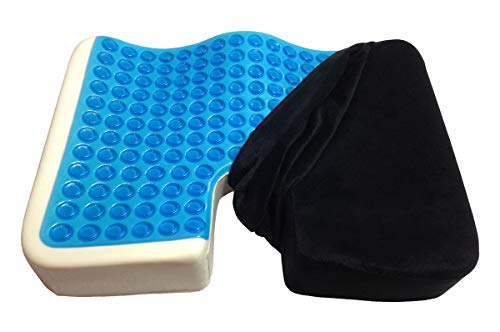
The Kieba Coccyx cushion is a classic for a reason: it is specifically contoured to alleviate pressure on the lower spine. If your knitting habit involves sitting for long periods, you likely experience "knitters’ slouch," where your lower back loses its natural curve. This cushion forces a slight tilt that helps maintain that curve, keeping your spine healthy.
The high-quality foam is firm enough to provide support without losing its integrity over time. This is crucial for knitters who need a consistent height to keep their project at the right distance from their eyes. If you are nearsighted or working with fine lace-weight yarn, having a stable, non-shifting base is a major advantage.
While it excels at back relief, it is a bit more utilitarian in design. It doesn’t offer the cooling technology of gel cushions, so it’s best for those who prioritize spinal support above all else. It is a reliable, no-nonsense choice for the dedicated maker.
FOMI Premium All Gel Seat Cushion for Firm Support

If you find that foam cushions eventually bottom out, the FOMI Premium All Gel cushion is your best bet. It is made of a firm, flexible gel material that provides consistent, unyielding support. For those who knit with heavy, rustic wools that require more physical effort, this stability provides a solid foundation for your posture.
The honeycomb design allows for excellent airflow, making it a great choice for year-round use. Because it is so firm, it doesn’t move around on your chair, which is helpful if you tend to shift your weight while counting stitches. It offers a very "planted" feeling that keeps you focused on your work.
Be aware that this is a heavy cushion compared to foam alternatives. It is not something you will want to move from room to room constantly, so pick your favorite knitting spot and leave it there. It is the perfect anchor for a dedicated crafting chair.
Aylio Coccyx Orthopedic Foam Cushion for Comfort

The Aylio cushion is designed with a unique shape that promotes better posture by encouraging you to sit upright. It’s an excellent option for knitters who struggle with leaning forward too much, which can put immense strain on the upper back and shoulders. By providing a slight lift, it helps you maintain a more relaxed, upright posture.
The foam is soft yet supportive, offering a balance that feels comfortable for those who knit for shorter, more frequent sessions. It is also lightweight and portable, making it a great companion if you like to take your knitting to local meetups or on trips.
One small trade-off is that it can feel a bit narrow for some chairs. Ensure you measure your seating area before purchasing to make sure it fits securely. When placed correctly, it provides a gentle, consistent nudge toward better ergonomics.
Why Posture Matters for Your Knitting Ergonomics
Knitting is a repetitive motion sport, and your posture dictates how those motions affect your body. When you slouch, your shoulders round forward, which limits your range of motion and puts undue stress on your neck and upper back. Over years of knitting, this can lead to chronic tension that impacts your ability to enjoy your craft.
A good cushion acts as a foundation for your entire kinetic chain. By supporting your pelvis, it helps keep your spine aligned, which in turn allows your arms and hands to move more freely. This is especially important when you are working with complex patterns that require precise hand movements.
Don’t ignore the early warning signs of poor posture, such as tingling in your fingers or a dull ache between your shoulder blades. These are signals that your body is compensating for a lack of support. Investing in your seating is an investment in your ability to keep knitting for decades to come.
How to Adjust Your Chair for Optimal Knitting Form
Your chair should be an extension of your knitting setup, not a hindrance. Start by adjusting your chair height so that your feet rest flat on the floor; if they don’t, use a footrest. Your knees should be at a 90-degree angle, which prevents the circulation issues that can occur during long sessions.
Next, look at your elbow position. Your elbows should rest naturally at your sides, with your forearms parallel to the floor while you hold your needles. If you find yourself lifting your shoulders to reach your project, your chair is too low or your project is too high.
Finally, ensure your back is fully supported by the backrest of your chair. If your chair has a gap between your lower back and the seat, use a lumbar roll or a small pillow to bridge that space. A stable, supported back allows you to relax your core, which is essential for maintaining even tension across your rows.
Essential Stretches to Relieve Knitting Tension
Even with the best cushion, you must move your body periodically to keep muscles from tightening. Every hour, stand up and perform a gentle chest opener: clasp your hands behind your back and gently pull your shoulders down and back. This reverses the "knitter’s hunch" and opens up your lungs.
Don’t forget your wrists and fingers. Extend your arm in front of you, palm up, and use your other hand to gently pull your fingers back toward you. This stretches the forearm muscles used during the knitting motion and helps prevent the tightness that can lead to repetitive strain.
Finally, perform a simple neck release by gently tilting your head from side to side. Hold each stretch for 15-30 seconds, breathing deeply into the tension. These small, frequent movements are just as important as your seat cushion in maintaining your physical health.
Maintenance Tips for Your Ergonomic Seat Cushions
To keep your cushion in top shape, check the manufacturer’s instructions regarding the cover. Most cushions come with removable, machine-washable covers, which is vital if you knit with shedding fibers like mohair or angora. Keeping your cover clean prevents dust and fiber debris from working their way into the foam or gel.
If you are using a memory foam cushion, avoid exposing it to direct, harsh sunlight for extended periods, as this can degrade the foam over time. For gel cushions, a simple wipe-down with a damp cloth is usually sufficient. Always ensure the cushion is completely dry before putting the cover back on to prevent any mildew.
Rotate your cushion occasionally if you find you sit in the same position every time. This helps the material wear evenly and extends the life of your investment. Treat your cushion like a fine pair of knitting needles; with proper care, it will serve you faithfully for years.
Choosing the right cushion is a personal process that depends on your specific chair, your height, and your preferred knitting posture. Start by identifying whether you need more spinal alignment, pressure relief for your tailbone, or simple cooling comfort. Once you have a supportive base, you will find that your hands stay steadier and your stitches remain more consistent. Happy knitting, and may your back stay as comfortable as your favorite hand-knit sweater.