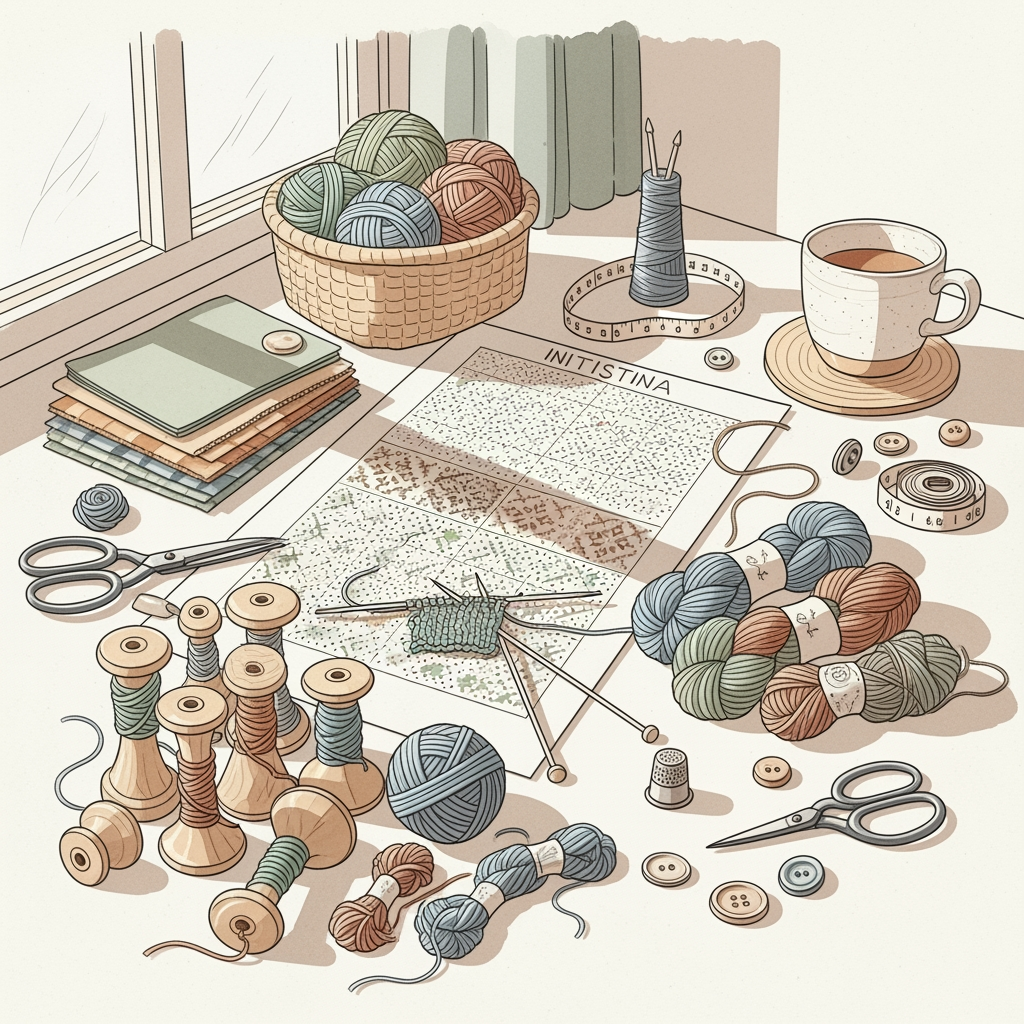
6 Best Bobbin Winders For Intarsia Colorwork
Master intarsia with these 6 top-rated bobbin winders. We compare features to help you manage yarn colors efficiently and keep your knitting projects tangle-free.
Mastering intarsia requires managing dozens of yarn ends without losing your mind to a tangled, knotted mess. Using bobbins transforms a chaotic project into a streamlined, professional colorwork experience. This guide explores the best tools to keep your yarn organized and your sanity intact. Whether you are a beginner or a seasoned pro, the right winder makes all the difference.
Lacis Plastic Yarn Bobbin Winder: Best Overall


The Lacis winder is a staple in my knitting bag because of its sheer reliability and simple, no-nonsense design. It manages to be both lightweight enough for travel and sturdy enough to handle hundreds of yards of yarn without slipping.
For intarsia, you need a winder that creates a consistent wind so your yarn doesn’t snag while you are working. The Lacis excels here by providing a smooth, even tension that mimics how yarn comes off a commercial ball.
If you are working on a large-scale project like a complex intarsia sweater, the ergonomic handle makes a significant difference during long sessions. It is the gold standard for those who want a tool that just works, every single time.
Stanwood Needlecraft Hand-Operated Bobbin Winder

This winder is built like a tank, making it a fantastic choice for those who work with heavier-weight yarns or larger quantities. Its metal gears provide a level of durability that plastic alternatives simply cannot match.
When you are winding bulky wool or rustic, high-twist yarns, you need a tool that won’t buckle under the friction. The Stanwood offers a smooth cranking motion that keeps the yarn from twisting or kinking during the process.
While it is bulkier than other options, the clamping mechanism allows you to secure it firmly to a table. This stability is a game-changer if you have limited desk space or prefer a stationary winding station.
Brother Knitting Machine Bobbin Winder Accessory

Don’t let the name fool you; this isn’t just for machine knitters. This accessory is a hidden gem for hand-knitters who demand absolute precision and high-speed winding for their intarsia projects.
Because it is designed for machine knitting, it is engineered to handle fine-gauge yarns with incredible finesse. If you are working with lace-weight silk or thin fingering-weight wool, this tool will prevent the yarn from stretching or losing its elasticity.
The trade-off is that it requires a bit of setup, often needing a dedicated spot on your workspace. However, for the unmatched tension control it provides, it is well worth the extra effort for complex, multi-color projects.
ChiaoGoo Yarn Bobbin Winder for Intarsia Work

ChiaoGoo is well-known for their needles, and their winder carries that same reputation for thoughtful, knitter-centric design. It is compact, portable, and feels incredibly natural in the hand.
The winding mechanism is designed specifically to prevent the "yarn memory" that can occur when yarn is wound too tightly. This is critical for intarsia, where you want your yarn to remain lofty and soft so your color changes look seamless.
I recommend this for knitters who move between different projects frequently and need a tool that fits easily into a project bag. It is a low-profile solution that doesn’t sacrifice performance for portability.
Ashford Hand-Cranked Bobbin Winder for Yarn

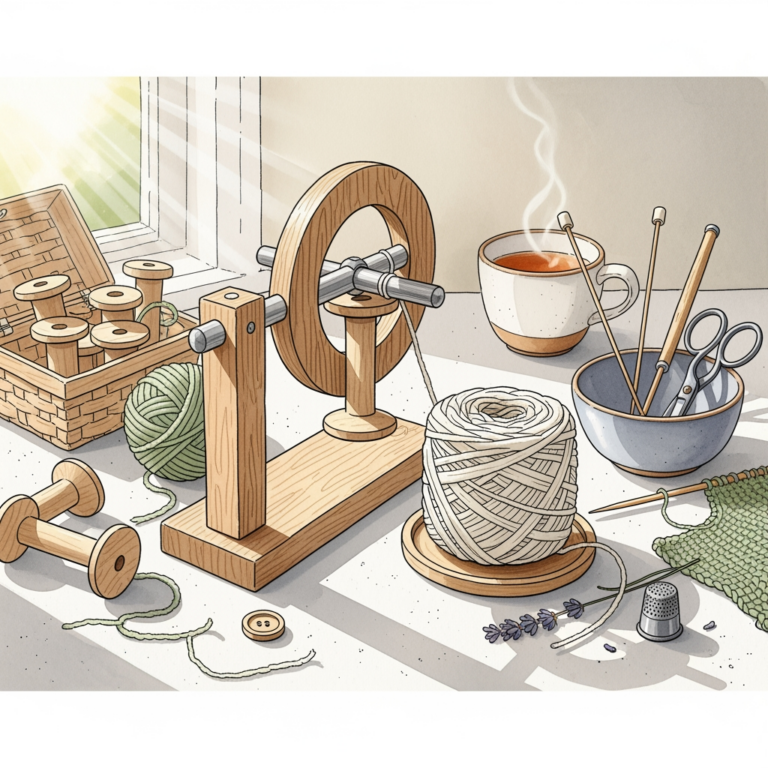
Ashford is a legendary name in the spinning world, and their expertise carries over perfectly to this winder. It has a classic, reliable feel that makes the repetitive task of winding dozens of bobbins feel almost therapeutic.
The gear ratio is optimized to make winding fast and efficient, which is a blessing when you have forty bobbins to prepare for a single row of colorwork. It handles a wide range of yarn weights, from delicate cobweb lace to heavy worsted.
Because it is made with high-quality materials, it is an investment piece that will likely last you a lifetime. If you are serious about colorwork, this is the tool you buy once and never have to replace.
Nancy’s Knit Knacks Electric Bobbin Winder

When you have a massive project with dozens of color changes, hand-winding can become a tedious chore. This electric winder removes the physical strain entirely, allowing you to focus on your color palette rather than your wrist health.
The electric motor provides a perfectly consistent speed, which is the secret to avoiding those annoying "yarn loops" that can happen when winding by hand. It is particularly effective for slippery fibers like alpaca or bamboo, which can be difficult to control manually.
While it is the most expensive option, the time-saving potential is immense for professional knitters or those who produce colorwork garments regularly. It is the ultimate luxury for the dedicated intarsia artist.
Why Use Bobbins for Intarsia Colorwork Projects
Intarsia is notorious for tangling because you are constantly carrying multiple balls of yarn across the back of the work. Using bobbins keeps each color isolated, preventing the "spaghetti bowl" effect that ruins many projects.
Beyond organization, bobbins allow you to manage the specific amount of yarn needed for a color block. This reduces waste and keeps your project weight manageable, especially when working on heavy sweaters or blankets.
Think of bobbins as your project management system. By keeping your colors contained, you can focus on your tension and stitch definition instead of untangling knots every five minutes.
How to Properly Tension Yarn on Your Bobbins
Tension is the most misunderstood aspect of winding bobbins. If you wind too tightly, you stretch the fibers, which causes the yarn to "snap back" and distort your stitches once it is off the bobbin.
Always aim for a "relaxed" wind that allows the yarn to sit on the bobbin just as it came off the original skein. If you are using a superwash wool, be extra careful, as these fibers are prone to stretching under tension.
Test your tension by pulling a few inches of yarn off the bobbin; if it curls or twists aggressively, you have wound it too tightly. A gentle, consistent hand is always better than a fast, forceful one.
Essential Tips for Preventing Tangled Yarn Ends
Even with bobbins, yarn ends can get caught in your work if you aren’t careful. I always recommend using bobbins that have a locking mechanism or a small notch to secure the yarn tail when the bobbin is not in use.
When you are mid-row, keep your bobbins organized in a shallow tray or a dedicated "yarn bowl" to prevent them from rolling away. This simple habit keeps your workspace tidy and prevents the bobbins from twisting around each other.
If you are working with long floats, remember to twist your yarns correctly at the color change point. This locks the yarn in place and prevents the "holes" that often appear where two colors meet.
Maintenance Guide for Your Manual Bobbin Winder
Your winder is a mechanical tool, and like any tool, it needs a little love to perform at its best. Periodically check the gears for any stray yarn fibers or dust that might have accumulated during your winding sessions.
A tiny drop of sewing machine oil on the moving parts can keep the crank turning smoothly for years. Avoid using heavy lubricants, as these can attract dust and actually gum up the mechanism over time.
Finally, keep your winder in a dry, dust-free environment when not in use. A well-maintained tool is a reliable tool, ensuring that your next intarsia project starts off on the right foot.
Intarsia colorwork is one of the most rewarding techniques in knitting, but it demands the right preparation to be truly enjoyable. By choosing the right winder and maintaining your tools, you turn a complex task into a rhythmic, creative process. Invest in your process, keep your yarn organized, and enjoy the beautiful colorwork you create. Happy knitting!