6 Best Bright White Light Bulbs For Accurate Color Matching
Find the best bright white bulbs for precise color rendering. Our guide reviews top picks to ensure accurate hues for your studio, workshop, or home office.
Finding the right light is just as critical to a successful project as choosing the perfect wool-silk blend for a summer shawl. When you spend weeks on complex stranded colorwork, you need to see the subtle shifts in hue that define your design. These six lighting solutions will help you avoid the frustration of finishing a garment only to realize the colors don’t match in natural daylight. Proper illumination ensures your hard work looks exactly as you intended, regardless of the time of day.
Waveform Lighting NorthLux 95 CRI LED: Best Overall
When you are working with hand-dyed yarns that feature complex, multi-tonal shifts, standard household bulbs often wash out the depth of the fiber. The Waveform Lighting NorthLux is the gold standard for serious makers because it boasts a 95+ CRI (Color Rendering Index). This means it reveals the true spectrum of your yarn, preventing that "muddy" look that happens when you try to distinguish between two similar shades of navy or charcoal.
For those of us who spend hours on intricate lace or dark-colored cables, this bulb is a game-changer. It provides a crisp, daylight-balanced glow that doesn’t strain the eyes during long sessions of 2.25mm sock knitting. While it is a higher investment than a generic hardware store bulb, the accuracy it provides is unmatched for professional-level color matching.
Bottom line: If you are a dedicated colorwork enthusiast, this is the most reliable tool to ensure your project looks as vibrant under your lamp as it does in the sun.
Solux 4700K Daylight Bulbs for Color Accuracy
The Solux brand has long been a favorite among artists and textile designers who require near-perfect color representation. These bulbs are specifically engineered to mimic the spectral distribution of natural daylight. When you are trying to match a replacement skein to an existing project, having this level of precision prevents the dreaded "dye lot mismatch" surprise.
These bulbs offer a very specific 4700K color temperature, which hits that sweet spot between too yellow and too blue. If you find yourself squinting at your knitting to see the definition of your stitches, this bulb will provide the clarity you need. It is particularly useful when working with high-twist yarns where stitch definition is everything.
The trade-off here is availability and heat output, as these bulbs can run slightly warmer than standard LEDs. However, for the sheer accuracy of color, they remain a top-tier choice for any serious fiber artist.
GE Relax HD Daylight LED for General Crafting


If you need a reliable, accessible option for your everyday knitting nook, the GE Relax HD series is a solid workhorse. While it might not match the professional-grade laboratory specs of more expensive bulbs, it offers a significant upgrade over the standard "soft white" bulbs that make everything look yellow. It provides enough clarity to see your stitches clearly while keeping the room feeling cozy.
This is an excellent choice for knitters who work primarily with lighter-colored yarns or who don’t need intense color-matching precision for every single project. It’s widely available and affordable, making it easy to outfit your entire craft room without breaking the bank. It strikes a good balance between functional brightness and a comfortable, homey atmosphere.
Keep in mind that if you are working with very subtle color gradients, you might still want a secondary task light. For general knitting, however, this bulb is more than sufficient to keep your tension consistent and your stitches clean.
Philips Hue White Ambiance for Adjustable Light

The brilliance of the Philips Hue system lies in its versatility, allowing you to shift the color temperature based on what you are doing. You can dial in a cool, energizing daylight setting when you are picking up stitches or counting rows, and switch to a warmer, softer light for relaxing with a meditative garter stitch project. This level of control is a luxury that becomes a necessity once you experience it.
For knitters who suffer from eye fatigue, being able to adjust the intensity and warmth of your light throughout the day is a huge benefit. You can brighten the room when the sun goes down to maintain your focus on complex lace charts. It also integrates with smart home systems, so you can set your lighting to follow your natural rhythm.
The main hurdle is the initial setup cost and the need for a bridge, but the flexibility is worth it. It’s the perfect solution for a multi-purpose space that serves as both a studio and a living area.
Cree Lighting 5000K Daylight LED Bulbs
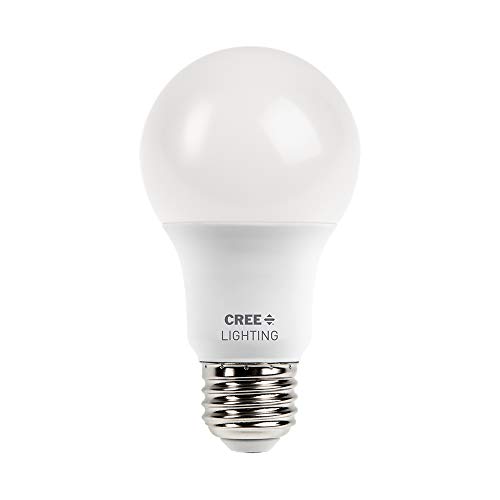
Cree bulbs are known for their longevity and consistent light quality, making them a staple for many dedicated crafters. The 5000K color temperature provides a clean, bright, and very "daylight-like" experience that is excellent for identifying stitch errors in dark fibers. If you’ve ever tried to knit with black mohair, you know exactly why this level of brightness is essential.
These bulbs are incredibly reliable and don’t flicker, which is a major point of contention with cheaper LED options. Flicker can cause subtle eye strain that you might not notice immediately, but it definitely contributes to fatigue after a few hours of knitting. The Cree bulbs provide a steady, unwavering light that keeps your eyes fresh.
They are a fantastic "set it and forget it" option for your primary craft room light. You get high-quality performance at a price point that makes it easy to replace all the bulbs in your workspace.
Hyperikon 5000K LED Bulbs for Large Studios

If you have a dedicated studio space with multiple workstations, the Hyperikon 5000K bulbs are an efficient way to illuminate a large area. They offer a wide beam angle, which helps to eliminate the harsh shadows that can make it difficult to see your needle tips. This is especially helpful if you are doing a lot of work with slick, metallic needles that can create distracting glares.
These bulbs are designed for high-lumen output, ensuring that every corner of your studio is well-lit. When you are managing multiple projects or organizing your yarn stash by color, having consistent light across the room is incredibly helpful. It prevents the frustration of moving your project to a different chair just to see the colors correctly.
While they are very bright, they are also energy-efficient, which is important if you keep your studio lights on for hours at a time. They are a practical, no-nonsense choice for the serious maker who prioritizes functionality above all else.
Why High CRI is Essential for Accurate Color Work
The Color Rendering Index (CRI) is a measure of how well a light source reveals the "true" colors of an object compared to natural sunlight. For knitters, a low CRI bulb can make a deep forest green look like a dull brown, or cause two different shades of purple to appear identical. If you are doing stranded colorwork or intarsia, this is a recipe for disaster.
A CRI of 90 or above is generally considered the threshold for professional color work. When you choose a bulb with a high CRI, you are ensuring that the nuances of your yarn—the subtle undertones in a hand-dyed wool or the sheen of a silk blend—are accurately represented. This prevents the disappointment of seeing your finished sweater in natural light and realizing the color scheme isn’t what you planned.
Don’t be fooled by the "Daylight" label on the box; that only refers to color temperature, not color accuracy. Always check the CRI rating on the packaging to ensure you are getting the true color representation your project deserves.
Understanding Color Temperature for Fiber Arts
Color temperature is measured in Kelvins (K) and describes the "warmth" or "coolness" of the light. For fiber arts, you generally want to stay in the 4000K to 5000K range. This range provides a neutral to cool light that mimics natural daylight, which is the gold standard for color perception.
Avoid bulbs in the 2700K-3000K range for your primary craft light, as they cast a strong yellow hue that will distort your view of your yarn. While these warmer bulbs are lovely for a living room, they are detrimental to precise color matching. Conversely, avoid anything above 6000K, as it can feel overly clinical and harsh, potentially causing eye strain.
Finding your personal preference within that 4000K-5000K window is key. Some knitters prefer the slightly warmer 4000K for comfort, while others prefer the crisp, clinical 5000K for maximum clarity.
How Light Placement Affects Your Knitting Stitches
Even the best bulb will fail you if the light is poorly placed. If your light source is directly behind you, you will cast a shadow over your needles, making it impossible to see your stitches clearly. This is a common mistake that leads to missed increases, dropped stitches, and general frustration.
Ideally, you want your light source to be positioned to the side or slightly in front of you, angled down toward your hands. This minimizes shadows and maximizes the visibility of the stitch structure. If you are using a desk lamp, look for one with an adjustable arm so you can direct the light exactly where you need it as you move through your row.
Remember that the angle of the light can also highlight or hide the texture of your yarn. Side lighting is excellent for seeing the definition of cables or lace, while top-down lighting is better for general flat knitting.
Common Mistakes When Lighting Your Craft Space
The most common mistake is relying on a single overhead light for your entire project. Overhead lighting is often insufficient for the fine detail work required in knitting, especially when working with dark or fine-gauge yarns. Always supplement your room lighting with a dedicated task light that you can position close to your work.
Another frequent error is ignoring the "glare factor." If you use very slick needles, like polished nickel or certain types of plastic, a bright light positioned at the wrong angle can create a blinding reflection. This is why many experienced knitters prefer matte-finish needles or wood, which absorb light rather than reflecting it.
Finally, don’t forget to clean your light fixtures! Dust buildup can significantly reduce the output of your bulbs and change the color temperature over time. A quick dusting once a month ensures your lighting remains as accurate and bright as the day you installed it.
Investing in the right light is a small price to pay for the peace of mind that comes with knowing your colors are true. Whether you choose the high-fidelity accuracy of the Waveform NorthLux or the flexible convenience of the Philips Hue, your eyes will thank you during those long nights of knitting. Remember, the best light is the one that allows you to see your stitches clearly without strain, ensuring your project reflects your skill and vision. Happy knitting, and may your colors always match your expectations.