6 Best Bent Tip Needles For Weaving In Ends
Weaving in ends is effortless with the right tools. Discover our top 6 bent tip needles, designed for precision, comfort, and seamless yarn finishing results.
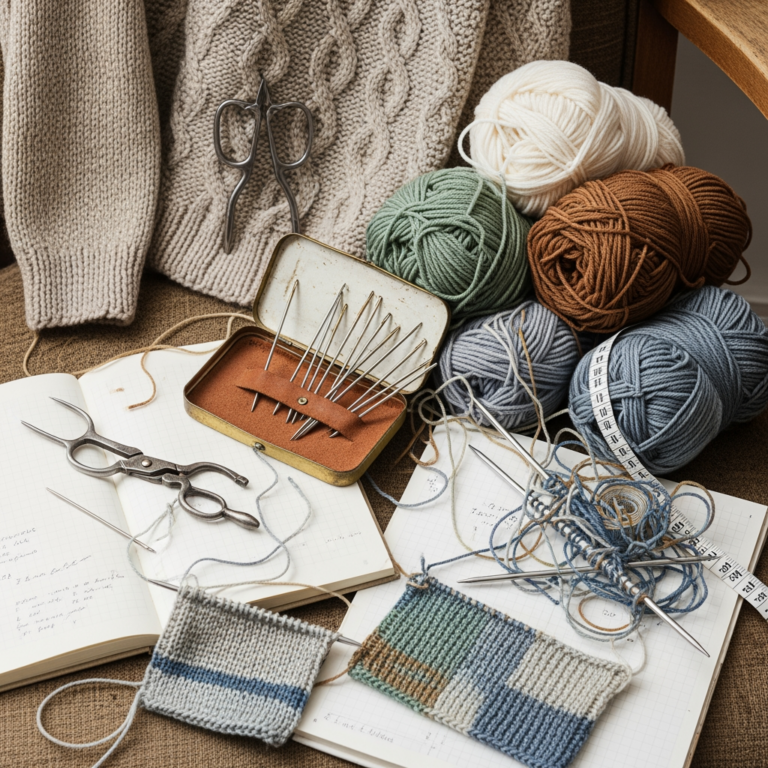
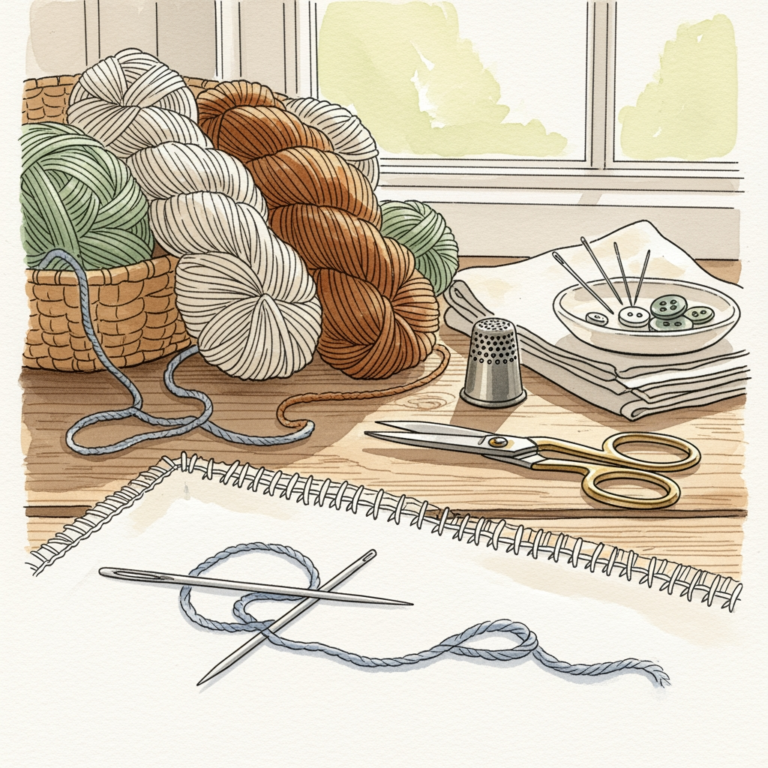
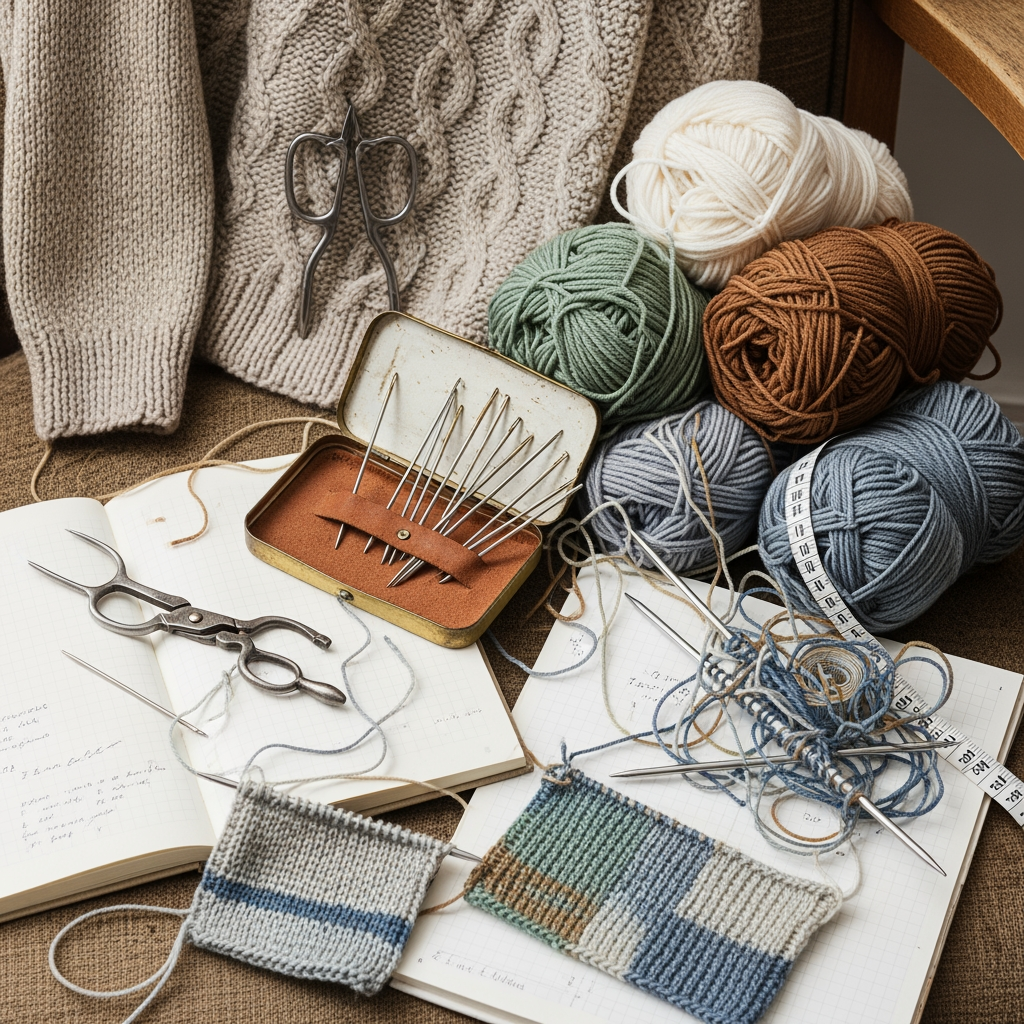
Finishing a project is often the most rewarding part of the knitting process, yet many makers dread the final task of weaving in loose ends. Having the right tools can transform this chore from a tedious struggle into a satisfying moment of closure. A bent tip needle is specifically designed to slide effortlessly under stitches without piercing the yarn fibers themselves. Investing in quality needles ensures your hard work stays secure for years to come.
Clover Chibi Bent Tip Tapestry Needles: Best Overall


Clover Chibi needles are a staple in almost every seasoned knitter’s notions bag for good reason. The bent tip is perfectly angled, allowing you to scoop up stitches on the back of your work without catching the fabric.
These needles feature a slightly rounded, blunt point that glides through even the most delicate wools. They are particularly effective when working with multi-ply yarns where a sharp point might accidentally split the strand and create a snag.
The set usually comes in a convenient, portable carrying case that prevents them from getting lost at the bottom of your project bag. While they are made of a sturdy, smooth metal, they offer just enough grip to stay in place while you navigate tight corners.
Dritz Yarn Darner Needles: Best Budget Option
If you find yourself frequently losing your needles or simply want a reliable backup, Dritz Yarn Darners are the go-to economical choice. They lack the fancy packaging of premium brands, but they perform the essential function of weaving ends with complete efficiency.
The metal is durable enough to withstand years of use without bending or corroding. Because they are cost-effective, you can keep one in every project bag you own, ensuring you are never left searching for a tool when it’s time to bind off.
Be aware that the finish might not be as frictionless as high-end options. If you are working with particularly sticky, high-friction fibers like mohair or unspun wool, you may notice a bit more resistance as you pull the needle through.
Cocoknits Steel Stitch Needles: Best for Precision
Cocoknits has mastered the art of minimalist, functional design, and their steel stitch needles are no exception. These are designed for the knitter who values precision and wants a needle that feels substantial in the hand.
The steel construction provides a weight that helps guide the needle through dense fabrics. They are exceptionally strong, making them ideal for heavier weights like bulky or super-bulky yarns that require a bit of force to pull through a tight weave.

These needles are particularly well-suited for those who prefer a "no-nonsense" tool. They don’t have a decorative coating that might chip over time, meaning their smooth surface remains consistent throughout their lifespan.
Bohin Bent Tip Tapestry Needles: Best Durability

Bohin is a legendary name in the world of sewing notions, and their tapestry needles reflect a commitment to longevity. If you are tired of needles that bend out of shape or develop burrs after a few uses, this is your solution.
The nickel-plated finish is incredibly smooth, allowing the needle to slide through stitches with almost zero friction. This makes them a dream for working with superwash wools, which can sometimes be slippery and hard to anchor securely.
Because they are so durable, they are a fantastic investment for the frequent knitter. They resist oxidation, so even if you store your project for months at a time in a humid environment, these needles will be ready to work when you are.
Susan Bates Finishing Needles: Best for Beginners
Susan Bates is a brand that most knitters encounter early in their journey, and their finishing needles are designed for simplicity. They are often sold in packs with varying sizes, which is perfect for a beginner who hasn’t yet settled on a favorite yarn weight.
The eyes are typically large and easy to thread, which removes one of the most common frustrations for new knitters. If you struggle with eyesight or dexterity, the generous eye size makes a world of difference during the final stages of a project.
While they are basic in design, they are perfectly functional for learning the ropes of finishing. Once you master the technique of weaving in ends, you can decide if you need to upgrade to specialized materials or if these work perfectly for your needs.
Tulip Tapestry Needles: Best Smooth Finish Choice
Tulip needles are renowned for their meticulous manufacturing process, resulting in a finish that is arguably the smoothest on the market. When you pull a Tulip needle through your knitting, you can physically feel the difference in the lack of drag.

The bent tip is polished to perfection, ensuring that it never snags on the delicate fibers of your project. This is a crucial feature if you are working with luxury fibers like silk, cashmere, or alpaca, which are prone to damage from rough tools.
These are premium needles, and they come with a price tag to match, but the experience is unmatched. For a special project that took you months to complete, using a Tulip needle is the perfect way to finish it with the care it deserves.
Why Bent Tips Are Essential for Finishing Projects
A bent tip needle acts like a guide, allowing you to navigate the "nooks and crannies" of your knitting without poking through the fabric. When you use a straight needle, you often have to manipulate your fabric significantly to reach the back of a stitch.
The curve allows you to slide the needle under the legs of a stitch while keeping the needle parallel to the fabric. This prevents you from accidentally splitting your yarn, which is the fastest way to ruin the integrity of a clean finish.
By keeping the needle tip pointed away from the fabric surface, you minimize the risk of creating a visible bump on the right side of your work. It is the secret to a professional-looking finish that looks like it came straight from a boutique.
How to Properly Weave in Ends for a Secure Hold
The key to a secure end is to follow the path of the yarn as it travels through the knitting. I always recommend weaving in a "duplicate stitch" pattern, which mimics the existing structure of your knitting.
Start by threading your needle and working the yarn tail through the backs of the stitches in the direction they are already traveling. Avoid pulling the yarn too tight, as this can distort the gauge of your fabric and create a stiff patch.
Once you have traveled about an inch, change direction and weave back through the same path for a few stitches. This "locking" technique ensures that the yarn won’t wiggle loose, even after multiple washes or heavy wear.
Choosing the Right Tapestry Needle for Yarn Weight
Matching your needle size to your yarn weight is just as important as matching your knitting needles to your yarn. If the needle is too large, it will stretch your stitches; if it is too small, it will be difficult to thread.
- Lace to Fingering Weight: Use a thin, delicate needle with a narrow eye.
- Sport to Worsted Weight: A medium-gauge needle provides the best balance of strength and maneuverability.
- Bulky to Super Bulky: You need a thick needle with a large eye to accommodate the volume of the yarn.
Always test your needle with a scrap piece of yarn before starting on your final garment. If the needle feels like it is "fighting" the yarn, it is likely too large for the stitch density of your project.
Common Mistakes When Weaving in Knitting Ends
The most common mistake is weaving in ends too quickly or too close to the edge of the fabric. Always leave enough length on your yarn tails—at least six inches—so you have plenty of room to maneuver and secure the end properly.
Another frequent error is cutting the yarn tail too short immediately after weaving. I always suggest leaving a tiny bit of excess and trimming it only after the garment has been blocked, as the yarn may shift slightly during the drying process.
Finally, avoid weaving ends into a single, straight line. By moving in a slight "zigzag" or following the path of the stitch, you distribute the tension more evenly and prevent the tail from eventually working its way out of the fabric.
Mastering the art of weaving in ends is the final hallmark of a confident knitter. By choosing a bent tip needle that suits your specific project, you ensure that your hard work remains secure and professional. Take your time with these final steps, as they are the last bit of care you give to your creation. With the right tools and techniques, you can finish every project with the pride of a true expert.