7 Best Tension Springs For Consistent Gauge Reviewed
Discover the 7 best tension springs for consistent gauge. We review top-rated options to ensure precision, reliability, and performance for your projects.
Maintaining a consistent gauge across a complex colorwork sweater or a simple stockinette scarf is the hallmark of a truly skilled knitter. Many makers struggle with uneven tension, especially when transitioning between different yarn weights or fiber types. Tension springs and yarn guides act as a mechanical bridge, helping you achieve that elusive, professional-looking fabric. This guide explores the best tools available to help you master your stitch uniformity once and for all.
Clover Knitting Yarn Guide: Best Overall Choice
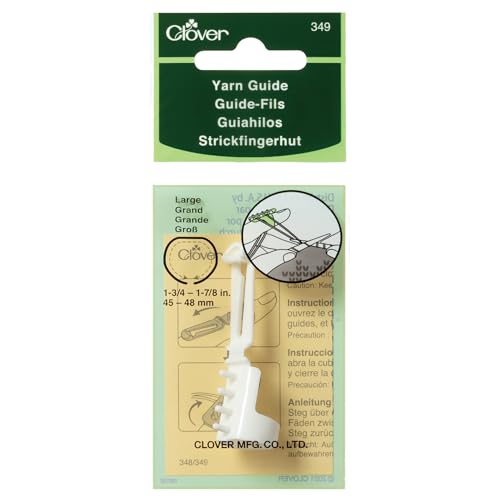

The Clover Knitting Yarn Guide is a staple in many knitting bags for a reason: it is remarkably intuitive and fits comfortably on almost any finger. Its simple plastic design features a small, coiled spring that holds the yarn in place, providing just enough resistance to keep your stitches uniform.
For those working with slippery yarns like silk or bamboo blends, this guide is a lifesaver. It prevents the yarn from sliding off your finger too quickly, which often leads to loose, uneven loops.
Because it is lightweight, you won’t even notice it’s there after a few rows. It is the most versatile option for knitters who switch between different projects frequently.
The Knitting Barber Yarn Tension Ring Review

The Knitting Barber has gained a cult following for a reason, and their tension ring is no exception. Unlike plastic guides, this ring sits directly on your finger, allowing you to control the tension through the natural movement of your hand.
If you are a continental knitter, this tool will feel like a natural extension of your knitting style. It excels at managing multiple strands of yarn, making it a dream for stranded colorwork where keeping two colors at an even tension is notoriously difficult.
However, it does require a bit of a learning curve to find the perfect placement on your finger. Once you find that "sweet spot," it provides unmatched control for complex, multi-colored projects.
Prym Ergonomics Knitting Thimble: Best Value
If you are looking for an affordable way to standardize your gauge without breaking the bank, the Prym Ergonomics Knitting Thimble is your best bet. It is designed to guide up to four strands of yarn simultaneously, which is a massive help for those who enjoy intarsia or complex colorwork.
The design is simple, plastic, and highly functional. While it may not feel as premium as metal alternatives, it performs its job with consistent reliability.
It is particularly useful for beginners who are still developing their muscle memory. It provides a cost-effective way to experiment with tension management without a significant investment.
Addi Knitting Thimble: Best Premium Option
When you move into the realm of the Addi Knitting Thimble, you are paying for precision engineering and durability. Made from high-quality materials, this thimble is built to withstand years of heavy use without losing its structural integrity.
The metal construction offers a smooth surface that allows the yarn to glide effortlessly, reducing the risk of splitting plied yarns. It is a fantastic choice for those working with luxury fibers like alpaca or cashmere, where you want to minimize friction.
While it is a higher price point, the longevity and tactile feedback make it a worthwhile investment for the serious knitter. It is the tool you buy once and keep in your kit for a lifetime.
Susan Bates Yarn Tension Regulator Review

The Susan Bates Yarn Tension Regulator is a classic tool that focuses on simplicity and effectiveness. It works by creating a small "S" curve for the yarn to travel through, which naturally adds a bit of resistance to your working yarn.
This tool is particularly effective for knitters who tend to be "loose" knitters. If your gauge is consistently larger than the pattern suggests, this regulator can help "tighten" your stitches by forcing the yarn through a more controlled path.
It is a no-nonsense tool that does exactly what it promises. It is highly recommended for knitters who struggle with maintaining a consistent tension throughout long, repetitive stockinette sections.
Pony Knitting Yarn Guide: Best for Beginners

The Pony Knitting Yarn Guide is designed with the novice in mind, offering an easy-to-use interface that doesn’t overwhelm the user. It is lightweight, unobtrusive, and clips easily onto the finger, making it a great introduction to tension tools.
For those who are just starting to learn the mechanics of knitting, this guide helps prevent the "death grip" on the yarn. By offloading the tension management to the tool, beginners can focus more on their needle technique.
It is a gentle entry point into the world of knitting accessories. You won’t find better value for a tool that helps build good habits early on.
Tulip Knitting Yarn Guide: Best Ergonomic Pick
Tulip is renowned for their ergonomic designs, and their yarn guide is no exception. It is designed to sit comfortably on the finger for hours of knitting without causing fatigue or pressure points.
If you suffer from hand strain or arthritis, this is the guide you want in your collection. The smooth finish ensures that your yarn travels without snagging, even when working with textured or novelty yarns.
It is the ultimate choice for marathon knitters who spend hours at a time working on large blankets or sweaters. Comfort is just as important as tension, and Tulip gets that balance perfectly.
How Tension Springs Improve Your Stitch Gauge
Tension springs work by creating a consistent path for your yarn to travel from the ball to your needle. By standardizing this path, you remove the variability that comes from how you hold your yarn or how tired your hands become during a long session.
When you use a spring or guide, you are essentially creating a "mechanical buffer." This buffer absorbs the inconsistencies in your yarn tension, ensuring that every stitch is pulled to the same size.
This is vital when working with natural fibers like wool, which can vary in elasticity. A tension tool ensures that even if your yarn diameter fluctuates slightly, your finished fabric remains uniform and professional.
Choosing the Right Tension Tool for Your Style
Choosing the right tool comes down to your personal knitting style and the types of projects you tackle. If you are a continental knitter, a ring-style guide is often the most ergonomic choice.
If you are a thrower (English style), a thimble-style guide that sits on your finger or clips to your needle might be more appropriate. Always consider the weight of your yarn as well; bulkier yarns may require a guide with a larger opening to prevent drag.
Don’t be afraid to try a few different types. Your ideal tension tool is the one that you forget you are wearing while you knit.
Troubleshooting Common Tension Spring Issues
The most common issue with tension springs is "snagging," which usually happens when the yarn is not seated properly in the guide. Always ensure your yarn is threaded through the spring or coil before you begin your row.
If you notice your tension is still inconsistent, check for debris or fiber buildup inside the spring mechanism. Even a small amount of lint can cause the yarn to catch, leading to uneven stitches.
Finally, remember that these tools are aids, not replacements for practice. They will help you achieve a better gauge, but consistent tension ultimately comes from muscle memory and time spent at the needles.
Investing in a tension tool is one of the most effective ways to elevate your knitting from "homemade" to "handmade professional." Whether you choose a premium metal thimble or a simple plastic guide, the goal remains the same: consistency. Take the time to experiment with these options to see which best complements your unique knitting rhythm. Happy knitting, and may your gauge always be perfectly on target.