7 Best Wooden Buttons For Knitwear Closures To Try
Discover the top seven wooden buttons for knitwear. This guide explores durable, stylish options to elevate your handmade garments with a natural finish.
Choosing the perfect button is the final, defining act of a knitting project, transforming a handmade garment into a polished piece of wearable art. Wooden buttons, in particular, offer a warmth and organic texture that synthetic materials simply cannot replicate. When you have spent dozens of hours on a sweater, the hardware you choose should reflect that same level of intention and care. This guide explores the best wooden options to ensure your closure is as functional as it is beautiful.
Rowan Olive Wood Buttons: Best for Luxury Knits


Rowan Olive Wood buttons possess a distinct, swirling grain that makes every single button feel like a unique piece of nature. These are dense, hard-wearing, and carry a weight that signals high-end quality.
When you are working with premium fibers like cashmere or high-twist merino, a cheap plastic button can diminish the entire look of the garment. These buttons provide a sophisticated, rustic elegance that complements the drape of luxury yarns perfectly.
Because they are natural wood, expect slight variations in color and pattern. If you are aiming for a uniform look, buy a few extras so you can select the most consistent set for the front placket.
Katrinkles Laser-Cut Birch: Best for Detail
Katrinkles excels at precision, offering laser-cut designs that range from whimsical motifs to clean, modern geometric shapes. If your garment has a specific theme, these buttons act as the perfect finishing flourish.
The birch plywood used is surprisingly sturdy despite its intricate cutouts. Because the edges are laser-cut, they are smooth and won’t snag on delicate yarn fibers, which is a major concern when using buttons with complex silhouettes.
Be mindful that these are often thinner than solid wood buttons. They work best on light-to-medium weight cardigans where a bulky button would create unwanted tension or distortion in the buttonhole.
Cocoknits Natural Wood Toggles: Best for Style
Toggles are a fantastic choice for chunky, oversized knits that require a more robust closure than a standard button. The Cocoknits collection offers a refined, minimalist aesthetic that feels intentional rather than utilitarian.
Using a toggle allows you to close a garment with ease, which is helpful if you have limited dexterity or are knitting for someone who struggles with small, fiddly buttons. They provide a structural element that helps anchor the weight of a heavy wool sweater.
The trade-off is that toggles naturally leave a larger gap between the two sides of your knit. Ensure your buttonholes are reinforced with a bit of extra yarn or a buttonhole stitch to prevent them from stretching out over time.
ButtonMad Hand-Painted Wood: Best for Color
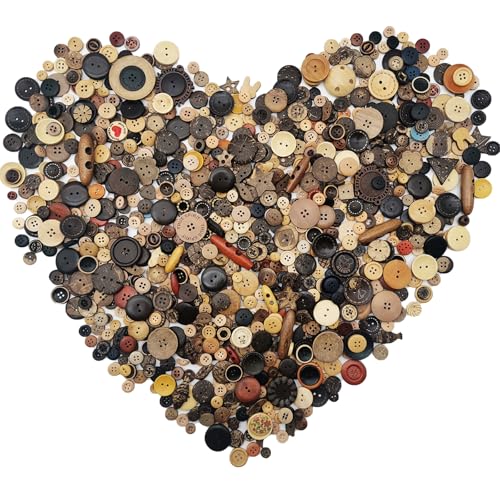
Sometimes a project calls for a pop of color that matches your yarn palette exactly. ButtonMad offers hand-painted wooden buttons that add character without feeling overly manufactured or mass-produced.
These are excellent for children’s knits or whimsical cardigans where you want to lean into a playful design. The paint is generally durable, but keep in mind that these are decorative pieces meant to be seen.
Always check the finish on these buttons before attaching them. If the paint feels tacky or thin, a quick clear coat can help protect the design from the friction of repeated buttoning and unbuttoning.
KnitPicks Harvest Wood Buttons: Best for Value

KnitPicks Harvest buttons are the workhorse of the knitting world, offering a classic aesthetic at a price point that makes them accessible for large projects. If you are knitting a cardigan for every family member, these are your best friend.
They feature a traditional four-hole design that is easy to sew on securely. The wood is sanded smooth, ensuring that they won’t abrade your yarn over the life of the garment.
While they may lack the exotic grain of high-end olive wood, they are consistent and reliable. For a project with many buttons, consistency in size and finish is often more important than individual flair.
Addi Olive Wood Buttons: Best for Durability
Addi is renowned for their needle manufacturing, and their buttons reflect that same focus on engineering and longevity. These are exceptionally hard, dense, and resistant to the wear and tear of daily use.
If you are knitting a heavy-duty work sweater or a piece meant to be worn in outdoor conditions, these are the buttons you want. They stand up well to moisture and friction, maintaining their integrity long after softer woods might begin to splinter.
The finish on these is usually quite polished, which makes them glide easily through buttonholes. This is a subtle detail, but it prevents the "tug-of-war" that often ruins handmade buttonholes on frequently worn sweaters.
Dill Wood Buttons: Best for Classic Cardigans

Dill is a staple in the sewing world, and their wooden buttons are the gold standard for traditional, timeless designs. They offer a wide range of sizes and shapes that fit almost any standard knitting pattern.
When you are following a pattern that calls for a specific button size, Dill is often the easiest to source. They are reliable, well-finished, and designed to blend into the background of a classic garment rather than compete with it.
If you are a beginner, start here. Their buttons are forgiving, easy to sew on, and provide a professional, finished look that will boost your confidence in your own work.
How to Choose the Right Button Size for Your Knit
The size of your button is dictated entirely by the size of your buttonhole. A good rule of thumb is that the button should be slightly wider than the buttonhole itself, allowing it to slide through with a gentle push but stay secure once in place.
- Small buttons (10-15mm): Best for baby clothes or delicate lace.
- Medium buttons (18-25mm): The standard for most adult cardigans.
- Large buttons (30mm+): Ideal for heavy, chunky sweaters or toggles.
Always test your button through the buttonhole before you sew it on. If it’s too tight, you will stretch the knitting; if it’s too loose, the garment will pop open while you’re wearing it.
Tips for Attaching Buttons to Delicate Knitwear
Never sew a button directly onto the fabric without a "shank." A shank is the small gap between the button and the fabric, created by wrapping your thread around the stitches under the button.
Without a shank, the button will pull against the fabric, causing the knit to pucker or even tear. Use a sturdy, matching thread—or even a strand of your project yarn if it is strong enough—to create this space.
For extra security, sew a small, flat button on the inside of the garment behind the main button. This acts as a washer, distributing the tension across a larger area of the fabric rather than pulling on a single point.
Caring for Wooden Buttons During Laundry Cycles
Wooden buttons are natural materials and, like your wool, they prefer a gentle touch. While many are sealed, prolonged soaking can cause the wood to swell, crack, or lose its finish.
Whenever possible, remove the buttons before washing, or at the very least, turn the garment inside out and place it in a mesh laundry bag. This prevents the buttons from banging against the drum of the machine or catching on other items.
If your buttons do get wet, lay the garment flat to dry and ensure the buttons are not sitting in a pool of water. A tiny drop of mineral oil or wood wax once a year can keep the wood hydrated and prevent it from becoming brittle.

Selecting the right wooden button is a balance between the weight of your yarn, the intended use of the garment, and your own personal style. By considering the durability of the wood and the mechanics of your buttonholes, you ensure that your hard work remains functional for years to come. Take your time with the final details, as they are the hallmark of a truly thoughtful knitter. Happy stitching, and may your buttons always stay securely in place.