
7 Best Hand Lotions For Smooth Yarn Handling
Keep your yarn snag-free with our top 7 hand lotion picks. Discover non-greasy formulas that hydrate skin and ensure smooth, effortless knitting and crochet.
Nothing ruins the rhythm of a complex lace project faster than a hangnail catching on a delicate strand of silk-mohair. As someone who has spent two decades working with everything from rustic highland wool to slippery bamboo yarn, I know that your hands are your most important knitting tool. The right lotion doesn’t just soothe skin; it creates a protective barrier that keeps your yarn pristine and your tension consistent. Let’s look at the best ways to keep your hands supple without compromising your fiber.
L’Occitane Shea Butter: Best for Dry Hands


If you spend your winters knitting with high-twist wools that seem to strip the moisture right out of your fingertips, this is your holy grail. It is incredibly dense, providing a deep, restorative treatment that lasts through long sessions of cabling.
Because it is so rich, you only need a pea-sized amount to cover both hands. If you apply too much, you risk transferring a waxy residue onto your project, which can temporarily alter the "hand" or feel of the yarn.
For best results, use this as a night treatment. By the time you wake up, your skin will be soft enough to handle even the most delicate lace-weight fibers without snagging.
Neutrogena Norwegian Formula: Non-Greasy Pick

This formula is a classic for a reason; it absorbs almost instantly, leaving behind zero slickness. When you are working with high-friction fibers like cotton or linen, you don’t want a lotion that makes your hands slide uncontrollably off your needles.
The glycerin-heavy base draws moisture into the skin rather than sitting on top of it. This makes it ideal for mid-project application when you don’t have time to wait for a heavy cream to dry before picking up your stitches.
It is a utilitarian choice that gets the job done without any fuss. If you are a "fast knitter" who relies on a specific tactile grip on your needles, this is the safest bet to avoid slippage.
Working Hands Cream: Best for Rough Skin

When you’ve been working with rustic, unwashed wool or handling abrasive plant fibers, your skin can become genuinely rough. This cream is specifically designed for people who work with their hands, and it excels at healing micro-tears in the skin.
The texture is quite thick and slightly tacky upon initial application. However, once it sinks in, it creates a smooth, almost polished surface on your skin that prevents snagging on finer plys.
Be careful with this one if you are working with light-colored, high-absorbency fibers like undyed alpaca. Because it is so effective at barrier repair, you want to ensure it is fully absorbed before handling your project to avoid any potential staining.
Burt’s Bees Almond Milk: Best Natural Choice
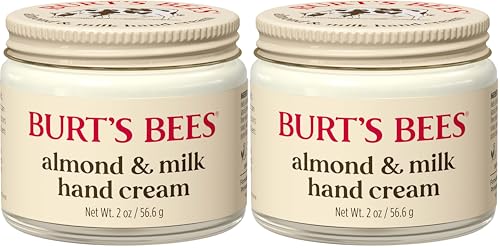
For those who prefer a more natural ingredient list, this almond milk hand cream offers a lovely balance of moisture and lightness. It smells wonderful without being overpowering, which is a major plus when you are hunched over a knitting project for hours.
It provides a silky finish that makes your hands feel smooth against the yarn. It is particularly helpful when working with slippery synthetic blends or superwash wools that can sometimes feel "cold" or "sharp" against dry skin.
The trade-off here is that it doesn’t provide the heavy-duty barrier of a wax-based cream. You will likely find yourself reapplying it more frequently, but the trade-off is a very clean, non-tacky experience.
Aveeno Daily Moisturizing: Best for Sensitive
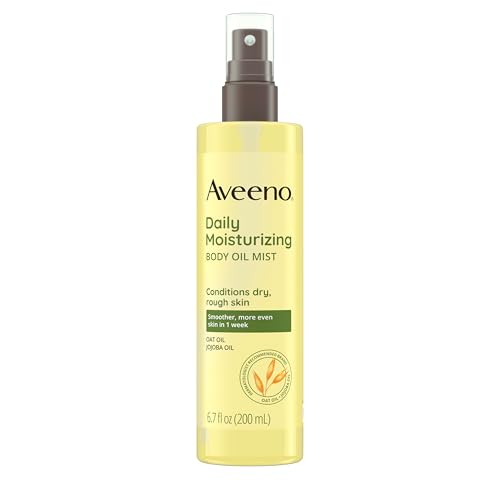
If your skin reacts to fragrances or heavy perfumes, Aveeno is the gold standard for consistent, neutral hydration. It is lightweight, fragrance-free, and incredibly reliable for sensitive skin types.
Many knitters find that their skin becomes sensitized during long-term projects, especially when dealing with the lanolin or chemical dyes present in some commercial yarns. This lotion acts as a gentle, soothing buffer.
It won’t leave your hands feeling "tacky," which is essential for maintaining consistent gauge. If you find your tension tightens up when your hands feel "sticky," this lotion is the perfect antidote to keep things moving smoothly.
Aesop Resurrection Aromatique: Best Scented

Sometimes, the sensory experience of knitting is just as important as the finished object. If you enjoy a spa-like atmosphere while you work on your stranded colorwork, this scent is sophisticated and grounding.
Beyond the aroma, the formula is surprisingly effective at softening the skin without leaving a heavy residue. It strikes a rare balance between luxury and functionality that many high-end lotions miss.
However, keep in mind that strong scents can linger on wool. If you are knitting a gift for someone with sensitivities, you might want to switch to an unscented option for the final stages of the project.
Kiehl’s Ultimate Strength: Best Heavy Duty
This is the "heavy artillery" of hand creams. If you are a knitter who suffers from cracked skin or severe dryness due to climate or fiber exposure, this provides an incredible, long-lasting protective layer.
It is formulated to be water-resistant, which means it stays on your skin even if you have to wash your hands frequently while knitting. The trade-off is that it does take a few minutes to fully absorb.
I recommend applying this thirty minutes before you plan to start a session. Once it sets, it provides a smooth, frictionless surface that allows yarn to glide over your fingers with zero resistance.
Why Non-Greasy Lotion Matters for Your Yarn
The integrity of your yarn is paramount, especially when working with natural fibers like silk, mohair, or high-end merino. Greasy residues can attract dust, lint, and even oils from your skin that might darken the yarn over time.
"Greasy" lotions can also change the way yarn behaves on your needles. If your skin is too slick, you may find your stitches slipping off the needle tips prematurely, which is a major frustration during complex lace or cable work.
Ultimately, you want a lotion that hydrates the skin from within rather than coating it in a film. A non-greasy finish ensures that your tension remains consistent from the first stitch to the last.
How to Properly Apply Lotion Before Knitting
The secret to using lotion without damaging your project is all in the timing. Apply your chosen cream at least ten to fifteen minutes before you pick up your needles.
Focus the lotion on your palms and the backs of your hands, using only a tiny amount on your fingertips. Your fingertips are the point of contact with the yarn, and you want them hydrated but not slick.
If you feel like you’ve applied too much, take a clean, dry cloth and gently wipe your fingertips before starting. This simple step ensures your skin is soft enough to prevent snagging, but dry enough to maintain your grip on the yarn.
Tips to Prevent Yarn Snagging From Dry Skin
Dry, cracked skin acts like Velcro for delicate, high-twist yarns. If you notice your yarn catching, it’s a sign that your skin barrier needs attention, not just a quick fix with lotion.
- Hydrate internally: Drinking enough water is the first step to skin health.
- Use a nail file: Keep your cuticles and nail edges smooth with a glass file to prevent them from catching on fibers.
- Avoid harsh soaps: Switch to a moisturizing hand wash, especially during the dry winter months.
- Wear gloves: If you are doing chores or washing dishes, wear gloves to protect your hands from harsh detergents that strip natural oils.
Finding the right hand lotion is just as personal as choosing the right set of needles. By prioritizing absorption and skin health, you protect both your hands and your beautiful projects from unnecessary wear and tear. Experiment with these options to see which formula best complements your unique knitting style and fiber preferences. May your stitches always be even and your hands always be ready for the next cast-on.