6 Best Cotton Towels For Drying Knitwear To Use
Drying knitwear requires care to prevent stretching. We review the six best cotton towels that offer the absorbency and flat surface needed for safe drying.
After spending two decades at the blocking board, I’ve learned that the quality of your towel is just as critical as the quality of your yarn. A subpar towel leaves lint on delicate mohair or fails to wick moisture, leaving your hand-knit sweaters damp for days. Choosing the right cotton is the secret to professional-looking finishes that make your hard work truly shine. Here are my top picks for the towels that will treat your knits with the care they deserve.
Utopia Bedding Premium Cotton Towel: Best Overall


This towel strikes the perfect balance between density and affordability, making it a staple for any serious knitter’s toolkit. Its ring-spun cotton construction provides a consistent, absorbent surface that pulls water away from heavy wool garments without constant repositioning.
Because it is relatively lightweight, it is easy to maneuver when you are pinning a large, wet lace shawl. You won’t struggle with the bulk found in heavier hotel-style towels, which can sometimes fold over and create unwanted creases in your fabric.
If you are blocking a dense, worsted-weight sweater that holds a lot of water, this is your workhorse. It wicks efficiently, meaning your wool won’t sit in a puddle and risk unwanted felting or mildew. It’s the most reliable choice for everyday blocking needs.
Chakir Turkish Linens Luxury Hotel Bath Towel

Turkish cotton is prized for its long fibers, which result in a towel that is both incredibly absorbent and surprisingly soft to the touch. When you are blocking delicate fibers like silk blends or high-end alpaca, you want a surface that won’t snag or abrade the yarn.
The high-pile weave of these towels acts like a sponge, pulling moisture out of your garment quickly. This is essential for preventing the "wet dog" smell that can sometimes linger in natural fibers if they take too long to dry.
However, be aware that these towels are quite thick. They are excellent for sweaters, but might feel like overkill for a delicate pair of fingering-weight socks. Use these when you need maximum moisture extraction for heavy-duty projects.
Pinzon by Amazon Heavyweight Cotton Bath Towel
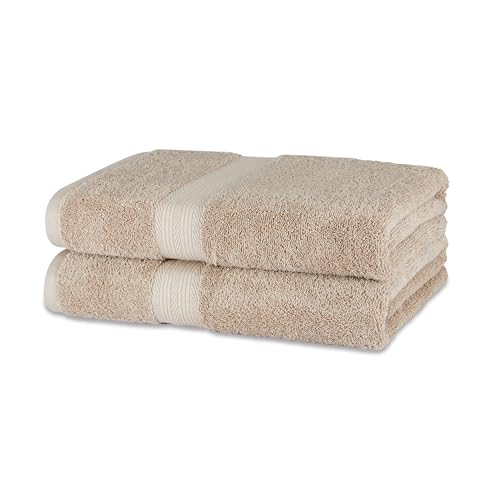
When you are blocking a heavy, cabled wool sweater, you need a towel that can handle significant weight and moisture. This heavyweight option provides a stable, firm base that doesn’t collapse under the pressure of a saturated garment.
The tight weave is a major advantage here because it minimizes the chance of your blocking pins catching on loose loops. Nothing is more frustrating than having a pin snag the towel and pull your carefully placed stitches out of alignment while you are trying to secure the edges.
Keep in mind that these towels take longer to dry themselves. After you’ve blocked your project, make sure to hang the towel separately in a well-ventilated area so it doesn’t stay damp and develop an odor.
Frontgate Resort Cotton Bath Towel Collection
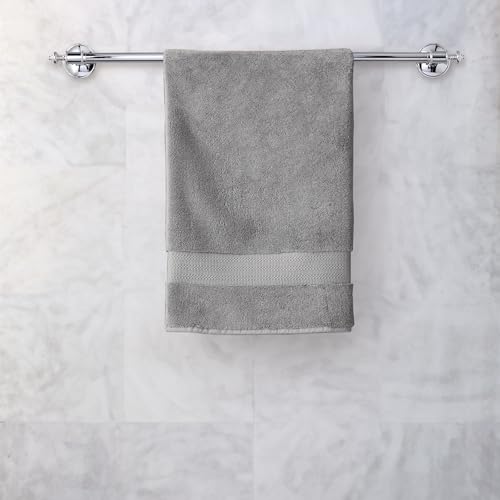
These towels are the gold standard for those who want a plush, luxurious surface for their hand-knits. The softness is not just for comfort; it provides a gentle, cushioning bed that supports the weight of your project without leaving deep impressions on the fabric.
This is particularly useful when blocking intricate cables or bobbles. A harder, flatter towel can sometimes flatten out your texture, but the loft of this cotton helps maintain the three-dimensional quality of your stitch patterns.
While they are an investment, their durability is unmatched. They withstand frequent washings and the inevitable exposure to the lanolin and natural oils that transfer from your wool, keeping their absorbency intact for years of use.
Brooklinen Super-Plush Cotton Bath Towels
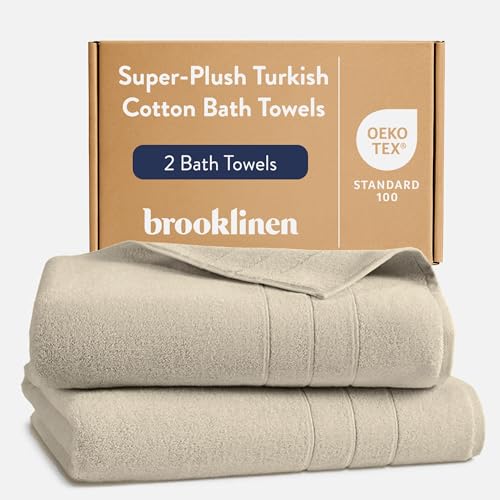
If you are sensitive to texture, you will appreciate the consistent, soft finish of these towels. They are designed for high-performance drying, which translates well to blocking, as they pull moisture from the interior of your stitches very effectively.
The "super-plush" nature of the fabric means it provides a bit of "give." If you are pinning down a garment that needs a little bit of tension to open up the lace, this towel provides enough grip to hold the pins steady without sliding.
Just be careful with very dark-colored knits. Because these towels have a high pile, they can occasionally shed small fibers, which might show up on a deep navy or black project. Always give them a good shake before laying out your work.
Lands’ End Premium Supima Cotton Bath Towel

Supima cotton is a superior fiber known for its strength and softness, making it an excellent choice for a long-lasting blocking companion. Because the fibers are extra-long, these towels are less prone to pilling and shedding, which is vital for keeping your knits clean.
These towels are remarkably consistent in their absorbency. Whether you are blocking a small swatch to check your gauge or a massive adult-sized cardigan, you can rely on the towel to pull a predictable amount of water out of the fabric.
They are also easier to store than many other luxury towels, as they fold down relatively flat. This makes them a great choice for knitters who have limited space in their project bags or craft rooms.
Why Absorbency Matters for Blocking Your Knits
Absorbency is the most critical factor in the blocking process because it dictates how long your project remains wet. If your towel isn’t absorbent enough, the water stays in the wool longer, which can weaken the fibers or cause the yarn to stretch out of shape.
Think of your towel as a wick. The better it pulls moisture away from the garment, the faster the air can circulate through the fibers to finish the drying process.
This is especially important for superwash wool, which can become quite heavy and "gummy" when oversaturated. A highly absorbent towel forces that excess water out immediately, allowing the stitches to set in their intended shape.
How to Properly Lay Out Knits for Faster Drying
The "burrito roll" method is the industry standard for a reason. Lay your towel flat, place your damp, flat-knit garment on top, and roll the towel up tightly like a sleeping bag.
Once rolled, apply firm, even pressure to the entire length of the roll. I like to step on it gently or press down with my forearms to force the water out of the garment and into the thirsty cotton fibers.
After the roll is squeezed, unroll it and move the garment to a fresh, dry surface. Never leave your knit inside the damp towel to dry, as this will trap moisture and significantly increase the drying time.
Avoiding Fiber Shedding When Blocking Woolens
There is nothing worse than finishing a beautiful sweater only to find it covered in white towel lint. To prevent this, always wash and dry your blocking towels several times before their first use to remove any loose factory fibers.
If you are working with a particularly fuzzy yarn, like mohair or angora, consider placing a thin layer of breathable cotton muslin or a clean, lint-free sheet between the towel and the garment. This acts as a barrier while still allowing moisture to escape.
Always shake your towel out vigorously before laying it down. A quick blast with a lint roller on the towel surface is also a professional trick that saves you from spending hours picking fuzz off your finished work later.
Essential Tips for Maintaining Your Blocking Towels
Treat your blocking towels as dedicated tools rather than bathroom linens. Avoid using fabric softeners when laundering them, as softeners coat the cotton fibers in a waxy layer that drastically reduces their absorbency.
Instead, use a small amount of white vinegar in the rinse cycle to strip away residue and keep the fibers fluffy. This keeps the towels "thirsty" and ready to perform when you have a big blocking day ahead.
Finally, ensure your towels are completely dry before folding them away. Storing a slightly damp towel in a drawer is a recipe for mildew, which can transfer to your precious hand-knits the next time you use it.
Investing in high-quality cotton towels is a small step that yields massive improvements in the final presentation of your knitting. By choosing the right weave and fiber, you ensure your projects dry quickly, safely, and without any unwanted debris. Treat your blocking setup with the same respect you give your needles and yarn, and your finished pieces will reflect that care. Happy blocking, and may your swatches always dry perfectly flat.