6 Best Yarn Needles For Thick Chunky Weight Tested
Finding the right tool for chunky yarn is key. We tested six top yarn needles to see which offer the best durability and ease for thick, heavy-weight projects.
Knitting with chunky yarn is one of the most rewarding experiences in fiber arts because it allows you to see your progress grow by the inch rather than the millimeter. However, the sheer physical weight of these projects can turn a relaxing hobby into a wrist-straining workout if you choose the wrong tools. After two decades at the needles, I have learned that the relationship between your yarn’s texture and your needle’s material is the secret to a stress-free project. These selections are curated to ensure your next bulky blanket or oversized sweater is as comfortable as it is beautiful.
ChiaoGoo Bamboo 10mm Circulars: Best for Grip


When you are working with slippery materials like silk-blend chunky yarns or loosely spun single-ply wool, you need a needle that helps you maintain control. These bamboo circulars provide just enough surface friction to prevent your stitches from sliding off accidentally while you are navigating the larger needle diameter.
The warmth of the bamboo is a significant advantage when you are working with thick, heavy fibers for long periods. Unlike metal, which can feel cold and clinical, wood and bamboo retain a bit of your body heat, which can actually help keep your hands more relaxed during long knitting sessions.
However, keep in mind that bamboo is not as durable as stainless steel. If you have a very tight knitting tension, you might find that the tips can eventually show signs of wear or splintering if you aren’t careful. For most, these are the gold standard for stability and control when working with bulky weight projects.
Knitter’s Pride Basix Beech Needles: Best Value

If you are just starting your journey into the world of chunky knitting, you don’t necessarily need to invest in premium materials to get a great result. The Knitter’s Pride Basix Beech needles are an excellent entry point, offering a smooth finish that allows your yarn to glide without feeling overly slick.
These needles are surprisingly lightweight, which is a major factor when you are swinging 10mm or 12mm needles around for hours. The lighter the tool, the less strain on your wrists and shoulders, especially when the weight of the finished fabric starts to pull on your needles.
The tradeoff here is that they lack the refined, tapered tips found on more expensive brands. If you are doing complex cable work or need to pick up stitches frequently, you might find the tips a bit blunt. Still, for basic garter or stockinette blankets, they are an unbeatable value for the price.
Lykke Driftwood Interchangeable Set: Best Luxury
Lykke needles are a favorite among experienced knitters not just for their stunning aesthetic, but for the incredible smoothness of the wood. The driftwood finish is polished to such a fine degree that it feels almost like glass, yet it maintains the gentle grip that only wood can provide.
The interchangeable system is a massive benefit for bulky projects because it allows you to swap out your cables for different lengths. When you are knitting a massive throw blanket, you can attach a longer cord to accommodate the increasing number of stitches without needing to purchase a new set of needles.
While the price point is higher, you are paying for the durability and the ergonomic design of the joins. The connection between the needle and the cable is seamless, which prevents the dreaded "snag" that can ruin your rhythm when working with thick, fuzzy wool.
Addi Rocket 12mm Circular Needles: Best for Speed
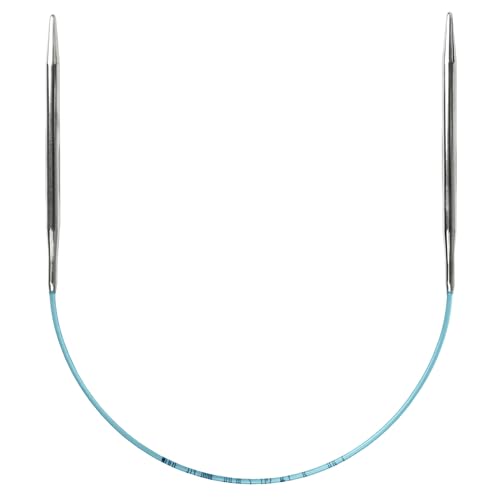
If your goal is to finish a project as quickly as possible, metal is the only way to go. The Addi Rocket needles are famous for their slick, nickel-plated surface, which allows heavy yarn to slide effortlessly from the left needle to the right.

The Rocket tips are slightly pointier than standard Addi needles, which is a huge help when you are working with chunky yarns that have a tendency to split. Being able to easily insert your needle into the center of a thick, multi-ply yarn is essential for maintaining a clean, professional-looking stitch.
Be aware that because these are so slick, they can be unforgiving if you are a loose knitter. If you find your stitches are "flying off" the ends, you might need to adjust your tension or switch to a wood needle. When speed is the priority, this is the tool that delivers.
Clover Takumi Bamboo Jumbo Needles: Best Comfort

Clover Takumi needles are the classic choice for a reason, specifically for their ergonomic weight and reliable texture. These are often the first "real" needles a knitter buys, and they remain in your kit for decades because of their consistent performance.
The bamboo used in these needles is exceptionally lightweight, which is crucial when you reach the "jumbo" sizes above 15mm. At that size, metal needles can become quite heavy, potentially leading to hand fatigue; the Takumi needles remain manageable even during marathon knitting sessions.
Because they are bamboo, they have a natural "grab" that is perfect for beginners who are still mastering their tension. If you are learning how to manage the bulk of a thick yarn, these needles will act as a stabilizing force in your hands.
HiyaHiya Sharp 15mm Circulars: Best for Precision

When you are working with intricate textures or complex stitch patterns in bulky yarn, you need a needle that can navigate the fabric with surgical precision. The HiyaHiya Sharp series features a very distinct, tapered point that makes complex maneuvers feel effortless.
Even though these are large-diameter needles, the sharpness of the tip allows you to easily perform decreases, increases, and cable crossings. This is particularly useful if you are working with a "chunky" yarn that has a lot of twist or a complex ply structure that you don’t want to accidentally pierce.
The stainless steel finish is very smooth, providing a nice contrast to the sharp tip. This combination of "sharp and slick" is excellent for experienced knitters, but beginners should be careful, as the points can be quite sharp against the skin during long sessions.
How to Choose the Right Material for Chunky Yarn
Choosing between wood, metal, and plastic is about balancing the "drag" of your yarn against your personal knitting speed. Metal is slick and fast, making it ideal for non-sticky fibers like acrylic or superwash wool.
Wood and bamboo provide essential friction for natural, un-treated wools that might otherwise slide off your needles too easily. If you are working with a very fuzzy or mohair-blend chunky yarn, the extra grip of wood will help you keep your stitches secure.
- Metal: Best for speed and non-slippery fibers.
- Wood/Bamboo: Best for control, warmth, and slippery fibers.
- Plastic: A budget option, but often lacks the smooth join quality of wood or metal.
Why Needle Surface Matters for Thick Wool Fibers
The surface texture of your needle dictates how much effort you exert to move your yarn. Thick wool fibers, especially those that are minimally processed, have a natural "tooth" that can create resistance against a metal needle.
If you find that your hands are cramping, it is often because you are fighting the friction of the yarn against the needle. A surface that is too slick for a very fuzzy yarn can cause you to grip the needles tighter to prevent stitches from dropping, which leads directly to hand fatigue.
Always match your needle surface to the fiber content of your yarn. If the yarn is sticky and grippy, a slick metal needle helps; if the yarn is smooth and slippery, a wood needle provides the necessary traction.
Understanding Needle Sizing for Bulky Projects
With chunky yarn, the difference of a single millimeter can completely change the drape and structure of your finished piece. A 10mm needle will produce a dense, sturdy fabric, while a 12mm or 15mm needle will create a loose, airy, and flexible drape.
Always check your yarn label for the recommended needle size, but view it as a suggestion rather than a rule. If you are a naturally "tight" knitter, you will likely need to go up one or two needle sizes to achieve the gauge specified in your pattern.
If you are unsure, knit a small swatch. It feels like an extra step, but with chunky yarn, you are using a lot of material, and you don’t want to finish a project only to realize the fabric is too stiff to wear comfortably.
Tips for Preventing Hand Fatigue With Big Needles
Knitting with jumbo needles requires a different physical approach than working with fine lace needles. Because the needles are larger, you should focus on holding them with a relaxed grip, allowing the weight of the project to rest in your lap rather than on your wrists.
Take frequent breaks to stretch your fingers and wrists, especially when working with heavy projects like blankets. If you feel tension building in your forearms, put the work down for five minutes and let your muscles recover.
Consider using circular needles even for flat projects, as they shift the weight of the fabric onto the cord, which rests on your lap. This is a game-changer for bulky projects, as it takes the strain off your wrists and prevents the needles from acting as levers that pull on your joints.
Finding the perfect needle for your chunky project is all about balancing the physical weight of your tools with the texture of your chosen fiber. Whether you prioritize the speed of a slick metal tip or the steady control of polished bamboo, your comfort should always be the priority. Remember that your gauge is personal, so never be afraid to swap needle sizes to achieve the fabric you desire. With the right tools in hand, even the heaviest yarn can feel like a breeze to knit.