
6 Best Cast-On Combs For Smooth Starts Professionals Use
Discover the 6 best cast-on combs used by professionals to achieve flawless knitting starts. Learn which tools ensure tension and precision for every project.
The cast-on row is the heartbeat of any machine knitting project, determining the structural integrity and aesthetic finish of your entire garment. Without a properly weighted and aligned comb, even the most expensive yarn can result in dropped stitches or uneven tension right from the first pass. Choosing the right tool requires balancing your machine’s gauge with the specific fiber properties of your project. This guide breaks down the essential combs that professionals rely on to ensure every project starts with professional-grade precision.
Passap Universal Cast-On Comb: The Industry Standard
The Passap Universal comb is legendary for a reason: its build quality is virtually indestructible. Unlike lighter combs, it offers a substantial weight that pulls the fabric down firmly, which is critical when working with the dual-bed nature of Passap machines.
If you are working with slippery synthetic fibers or fine wools that tend to "jump" off the needles, this comb provides the necessary tension to keep stitches seated. The teeth are spaced precisely to match the rigorous demands of double-bed knitting, preventing the dreaded "tuck" or "miss" stitches that can ruin a pattern.
However, its weight can be a drawback for beginners who are not yet used to the physical demands of machine knitting. If you are struggling with the carriage movement, ensure your comb is centered perfectly to avoid uneven drag.
Silver Reed 4.5mm Metal Comb: Best For Fine Yarns


When you are knitting with lace-weight or fingering-weight yarns on a standard gauge machine, the Silver Reed 4.5mm metal comb is your best friend. Its slim profile allows for easy insertion into the needle bed without crowding the workspace.
The spacing of the teeth is specifically engineered for 4.5mm machines, ensuring that each needle is properly engaged. This is vital when you are working with high-twist yarns that have a tendency to snap back or snag on the gate pegs.
Keep in mind that because this comb is lighter than industrial alternatives, you may need to supplement it with additional claw weights during the first few rows. Always start your cast-on with a waste yarn transition to ensure the comb has enough "grip" before you introduce your main yarn.

Brother Standard Gauge Comb: The Reliable Classic

The Brother standard gauge comb is arguably the most ubiquitous tool in the machine knitting world, and for good reason. It is designed to be a "workhorse" that handles everything from basic stockinette to complex tuck stitch patterns with ease.
The teeth are rounded just enough to prevent fiber splitting, which is a major concern when working with delicate natural fibers like alpaca or cashmere. If you are a beginner, this is the comb you want in your kit; it is forgiving, easy to maneuver, and compatible with a wide range of Brother accessories.
The only downside is that the metal can occasionally bend if dropped on a hard floor. Check your teeth alignment periodically by laying the comb flat on your needle bed to ensure no single tooth is pushing a stitch out of alignment.
Bond Ultimate Sweater Machine Comb: Best For Plastic
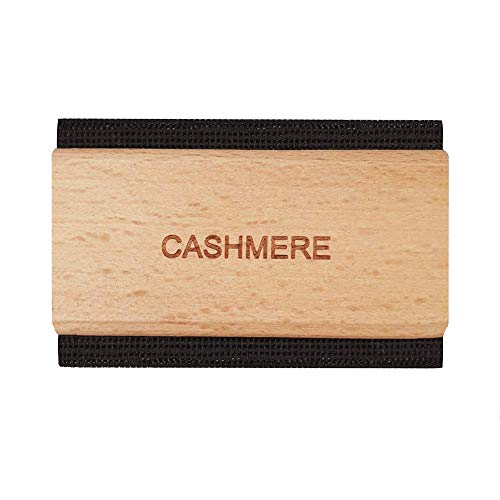
The Bond Ultimate Sweater Machine comb is a unique beast, specifically designed for the plastic beds of the Bond/ISM systems. Because these machines rely on a different tensioning mechanism than metal-bed machines, the comb acts more as a stabilizer than a weighted anchor.
If you are working with "chunky" or "bulky" yarns, this comb provides the necessary clearance to prevent the yarn from catching on the plastic needle latches. It is lightweight, which is a deliberate design choice meant to prevent the plastic bed from warping under heavy tension.
Don’t expect the same "pull" you get from a metal machine comb. Instead, focus on using the included claw weights to distribute the tension evenly across the width of your knitting.
KnitKing Weighted Cast-On Comb: Superior Tensioning

KnitKing combs are often sought after by professionals who prioritize consistent, heavy-duty tensioning. These combs are noticeably denser than the standard Brother or Silver Reed options, providing a steady downward force that is essential for complex cable work.
When you are knitting cables, the fabric naturally wants to draw in, which can cause the edge stitches to become distorted. The extra weight of the KnitKing comb helps "open up" these stitches, ensuring that the edge remains straight and the tension stays uniform across the entire row.
This is not the comb for lightweight, delicate yarns, as the weight may actually pull too hard and cause the yarn to thin or break. Use this tool specifically for heavier worsted or bulky wools where structural stability is your primary goal.
Singer 9mm Bulky Gauge Comb: The Best For Chunky Knits
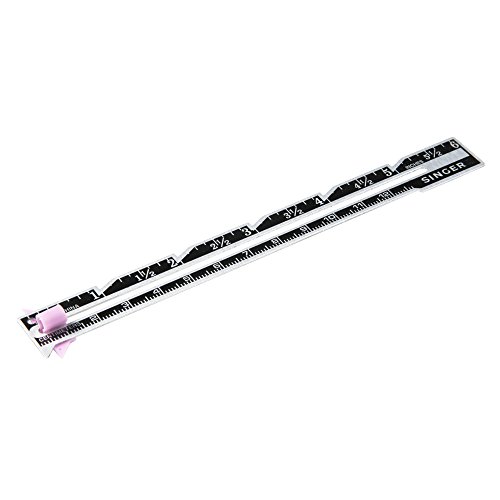
The Singer 9mm comb is specifically calibrated for the larger needle spacing required by bulky gauge machines. When you are knitting with thick, multi-ply wools, standard combs often fail to seat the yarn properly into the latches.
The wider tooth spacing on this comb ensures that your bulky yarn doesn’t get crowded or bunched up during the cast-on. It allows the needles to clear the gate pegs smoothly, which is essential for preventing "hang-ups" that lead to dropped stitches.
If you find that your bulky knitting is still puckering, it is likely because the comb isn’t heavy enough for the yarn weight. Don’t be afraid to add extra weights to the ends of the comb to keep the edges from curling.
Why Weighted Combs Are Essential For Machine Knitting
Weighted combs serve as the "third hand" for the machine knitter. They provide the necessary tension to hold the stitches down while the carriage moves across the bed, ensuring the needles can successfully form new loops.
Without proper weighting, the fabric will ride up with the carriage, causing the needles to miss the yarn entirely. This is particularly true during the first few rows of a project, where there is no existing fabric to provide natural resistance.
- Consistency: Prevents "loopy" edges and uneven tension.
- Safety: Keeps the fabric away from the carriage movement.
- Efficiency: Allows for faster carriage speeds without sacrificing stitch quality.
Factors To Consider When Selecting A Cast-On Comb
Selecting the right comb comes down to matching the tool to your machine’s gauge and your yarn’s fiber content. A comb that works perfectly for cotton will likely struggle with the "bounce" of a wool-nylon blend.
- Machine Gauge: Always match the comb spacing to your needle bed (4.5mm, 6.5mm, or 9mm).
- Fiber Elasticity: Use heavier combs for non-elastic fibers (cotton, linen) and lighter combs for high-memory fibers (wool, alpaca).
- Project Width: Ensure your comb is wide enough to cover the entire width of your cast-on; never use a comb that is too short, as it will cause the edges to drop.
Troubleshooting Common Cast-On Comb Snagging Issues
If your comb is snagging, the most common culprit is a bent tooth. Even a microscopic bend can catch on the needle latches, causing the machine to lock up or drop stitches mid-row.
Check your comb by running a piece of smooth waste yarn through the teeth; if it catches, you have a snag point. Use a pair of needle-nose pliers to gently nudge the tooth back into alignment, but be careful not to over-bend the metal.
Another common issue is improper placement. If the comb is positioned too high, it interferes with the carriage; too low, and it doesn’t provide enough tension. Aim for the "sweet spot" where the comb sits just below the gate pegs.
Maintenance Tips For Keeping Your Comb Teeth Aligned
Maintenance is the difference between a tool that lasts a lifetime and one that needs replacing every few years. Keep your combs clean and free of lint, as built-up fibers can create friction that ruins your tension.
Store your combs hanging vertically if possible, or flat in a drawer without anything heavy resting on top of them. This prevents the teeth from being crushed or bent over time.
Finally, if you notice your metal combs are becoming "tacky" or sticky, a light wipe with a silicone-based lubricant can help them glide smoothly against the needle bed. Just be sure to wipe away any excess so you don’t transfer oil to your yarn.
Mastering the cast-on is a rite of passage for every machine knitter, and your choice of comb is the single most important variable in that process. By understanding the mechanical relationship between your machine, your yarn, and your comb, you can eliminate the frustration of dropped stitches and uneven edges. Remember that the best tool is the one that provides consistent tension without damaging your fibers. Take the time to calibrate your setup before you start your next project, and you will see the difference in every stitch that follows.