7 Best Wax Sticks For Conditioning Wool To Use
Discover the 7 best wax sticks for conditioning wool. Learn how these essential tools restore fiber moisture, improve durability, and prevent pilling easily.
When you’ve spent forty hours hand-knitting a dense, cabled wool sweater, the last thing you want is for the elements to compromise your hard work. While wool is naturally moisture-wicking and insulating, applying a specialized wax can transform a beautiful heirloom piece into a true piece of outdoor technical gear. Choosing the right wax is a balancing act between maintaining the fiber’s breathability and achieving the water-repellency you need for the field. Here is how to select the right tool to fortify your woolen creations against the wind and rain.
Otter Wax Fabric Dressing for Wool Care


Otter Wax is a favorite among makers who prioritize natural, non-toxic ingredients in their fiber care. It relies on a blend of beeswax and proprietary plant-based oils that provide a smooth, consistent finish without the chemical odor of synthetic alternatives.
Because it is relatively soft compared to industrial waxes, it penetrates deep into the fiber structure of a tightly knitted garment. It is particularly effective for heavy-gauge wools that have a bit of "tooth," as the wax coats the individual plies without matting them down entirely.
If you are treating a hand-knit hat or mittens, start with a light application to test how the wax interacts with your specific yarn. The bottom line: It offers a beautiful, matte finish that respects the organic nature of your wool.
Filson Original Wax for Heavy Woolens

Filson’s classic wax is the gold standard for heavy-duty wool, specifically the type of dense, felted, or hard-wearing wool you might find in a traditional "cruiser" jacket. It is exceptionally firm, which means it stays on the surface of the fabric rather than soaking deep into the yarn core.
This product is best suited for items that need to withstand abrasive conditions, like a heavy work vest or a thick, felted wool bag. Because it creates a stiffer barrier, I wouldn’t recommend it for delicate, high-twist yarns or intricate lace patterns that rely on drape.
If you use this on a structured garment, be prepared for a slightly tackier feel initially. The bottom line: Use this when durability is the priority over softness.
Fjällräven Greenland Wax for Durability

Greenland Wax is legendary for its simplicity and ease of use. It is a paraffin and beeswax blend that is designed to be applied and then melted into the fabric using a hair dryer or an iron, making it very accessible for home crafters.
The beauty of this wax is its adjustability. You can apply a light layer for a water-resistant finish or build up multiple layers on high-exposure areas like shoulders or elbows for near-total wind protection.
For knitters, this means you can customize the protection based on the density of your gauge. The bottom line: It is the most user-friendly choice for those who are new to waxing their own knitwear.
Barbour Thornproof Wax for Wool Blends

Barbour’s wax is traditionally associated with cotton, but it performs surprisingly well on dense wool blends, especially those containing a small percentage of synthetic fiber for strength. It provides a deeper, more "oily" protection that is excellent for shedding heavy, sustained rain.
Because this wax is quite potent, it can significantly change the hand of your knitting, making it feel less like a soft fiber and more like a waxed canvas. It is best reserved for outerwear where you don’t mind sacrificing some of that cozy, woolly texture.
Avoid using this on anything that touches your skin directly, as the finish can transfer. The bottom line: Choose this for heavy-duty, outdoor-only wool gear that needs to survive a downpour.
Atsko Sno-Seal Beeswax for Protection
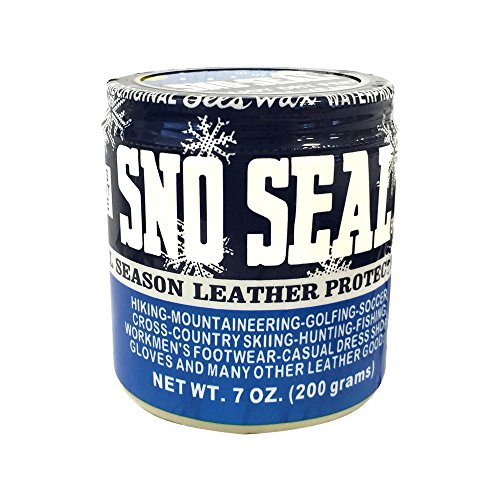
Atsko Sno-Seal is a pure beeswax formula that is beloved for its ability to keep wool breathable while still repelling water. Unlike paraffin-heavy waxes, it doesn’t harden the wool fibers to the point of brittleness, which is vital for maintaining the elasticity of your stitches.
This is an excellent choice for hand-knit socks or gloves that need to remain flexible while working in damp conditions. Because it is pure beeswax, it is also safer for the long-term health of the wool fibers themselves, preventing them from drying out over time.
You will need to apply this with heat to ensure it bonds properly to the yarn. The bottom line: This is the best option for maintaining the natural movement of your knitting.
Kiwi Camp Dry Wax Stick for Wool Gear
The Kiwi wax stick is a convenient, portable solution for quick touch-ups while you are out on the trail. It is formulated for speed and ease, making it a great "emergency" tool to keep in your knitting bag if you are traveling with your gear.
While it is effective, it is generally less long-lasting than the heavy-duty tins of wax mentioned earlier. It is best used for sealing seams or reinforcing the cuffs and hems of your garments where wear and tear are most likely to occur.
Don’t expect it to provide deep, structural weatherproofing for a full sweater. The bottom line: Keep this on hand for maintenance rather than initial heavy-duty sealing.
McNett Seam Grip Wax for Wool Seams

If you have ever finished a sweater only to find the seams are a weak point for cold air, this product is your solution. It is designed specifically to seal the gaps between stitches, which is where most water and wind ingress occurs in hand-knitted items.
It is highly targeted, allowing you to apply it exactly where the needlework is most vulnerable. Because it is a specialized sealant, it is much more precise than rubbing a large wax block over an entire garment.
Use it sparingly, as it can create a visible line if applied too heavily. The bottom line: Use this for structural integrity at the seams, not for overall fabric treatment.
Why Waxing Wool Enhances Weather Resistance
Waxing changes the surface tension of the wool fiber, causing water to bead up and roll off rather than soaking into the yarn’s core. This is a game-changer for knitters because it allows you to wear your wool in weather that would normally soak through a traditional sweater.
Furthermore, wax acts as a wind-blocker by filling the microscopic gaps between your stitches. This is particularly helpful if you have knitted a garment with a slightly loose gauge that would otherwise let the wind cut right through.
However, remember that waxing reduces breathability. You are trading some of the wool’s natural ability to release moisture for a significant gain in protection against the elements.
How to Properly Apply Wax to Your Woolen Items
First, ensure your garment is clean and completely dry; any trapped dust or oils will be sealed into the fiber forever. Rub the wax stick firmly against the grain of the wool, focusing on areas like shoulders, cuffs, and the back of a sweater.
Once you have an even layer, use a hair dryer on a medium setting to melt the wax into the fibers. The heat is critical—it allows the wax to migrate from the surface into the interstices of the yarn, creating a uniform, protective barrier.
Always let the garment sit for 24 hours in a cool, dry place to allow the wax to "set" and cure. The bottom line: Patience in the application process is the difference between a professional-looking finish and a patchy, sticky mess.
Frequently Asked Questions About Wool Waxing
Will wax ruin my knitting? Waxing is generally permanent, so consider it a commitment. It will change the drape and the hand of your wool, making it stiffer and less "woolly."
Can I wash a waxed garment? You should avoid traditional washing. If the item gets dirty, spot clean it with cold water and, if necessary, re-apply wax to the affected area.
Does it change the color of the yarn? Yes, wax will almost always darken the appearance of your yarn. Always test a small swatch of the same yarn before applying it to your finished garment.
Waxing your wool is a transformative process that turns a soft, cozy project into a robust piece of outdoor equipment. By choosing the right wax for your specific fiber content and desired level of protection, you can extend the life and utility of your hand-knit garments significantly. Approach the process with care, always test on a swatch first, and enjoy the added confidence that comes with wearing your own work in any weather.