6 Best Knit Blockers For Consistent Edges To Use
Achieve perfectly crisp edges with our top 6 knit blockers. Discover durable tools that ensure consistent shaping for all your professional-grade projects.
Every knitter knows the heartbreak of finishing a beautiful garment only to have it look lackluster because of uneven edges. Proper blocking is the bridge between a handmade item and a professional-looking piece of knitwear. Investing in the right tools can save you hours of frustration and ensure your hard work truly shines. Here are the best knit blockers to help you achieve consistent, crisp edges on every project.
Knitter’s Pride Knit Blockers: Best Overall Pick


These blockers are the gold standard for a reason. They feature a row of pins embedded in a sturdy plastic base, allowing you to secure several inches of fabric with a single motion.
This design is a game-changer for long, straight edges on scarves or sweater fronts. Instead of fussing with dozens of individual T-pins, you simply anchor a section at once.
The trade-off is that they are rigid; they aren’t ideal for tight curves like armholes or neckline shaping. However, for the majority of standard blocking needs, their efficiency is unmatched.
Clover Plastic Knit Blockers: Best for Beginners
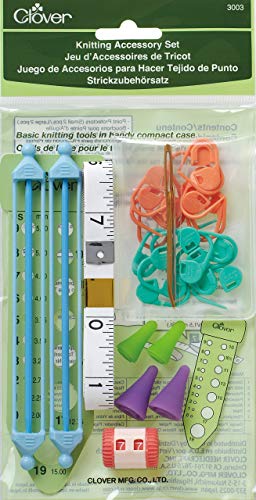
Clover has built a reputation on ergonomics, and these blockers are no exception. They are lightweight, easy to handle, and come in a variety of sizes that make them approachable for those just starting their blocking journey.
Beginners often find individual pins intimidating because they can snag delicate fibers if not inserted perfectly. These plastic blockers provide a larger surface area to grip, reducing the risk of accidental pokes or yarn splitting.
They are perfect for learning the basics of tension control without the sharp hazards of traditional metal pins. Just keep in mind that they are best suited for medium-weight yarns; they may struggle to hold very bulky or heavy wools in place.
Cocoknits Maker’s Keep: Best Magnetic Solution
If you are the type of knitter who constantly loses their pins in the carpet, this is your solution. The Maker’s Keep is a wearable magnetic slap bracelet that holds your metal pins securely until you need them.
This system turns your wrist into a portable pincushion, which is incredibly helpful when you are crawling around on the floor pinning out a large shawl. It minimizes the time spent bending over and searching for dropped supplies.
While the bracelet itself is an investment, the efficiency it brings to the blocking process is palpable. It keeps your workspace tidy and ensures your pins are always exactly where you need them.
Boye Plastic Knit Blockers: Best Budget Option
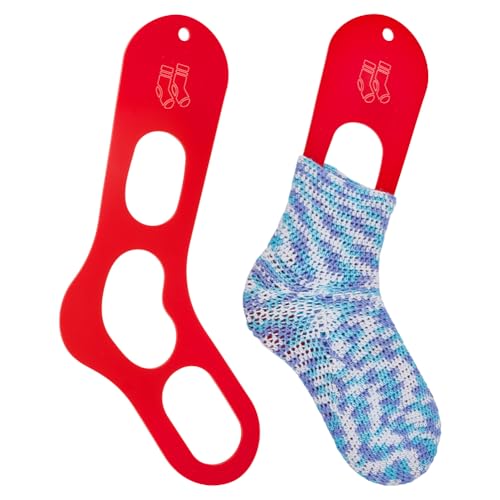
Sometimes you don’t need a fancy system; you just need something that gets the job done without breaking the bank. Boye offers a straightforward, no-nonsense plastic blocker that provides reliable tension for basic projects.
These are excellent for knitters who are building their toolkit on a budget or who only block items occasionally. They hold well and are durable enough to survive years of use.
They lack some of the sophisticated features of premium brands, such as specialized corner pins or extra-long pins for deep lace. If you are working on a simple garter stitch scarf, however, these are more than sufficient.
HiyaHiya Stainless Steel Pins: Best for Precision
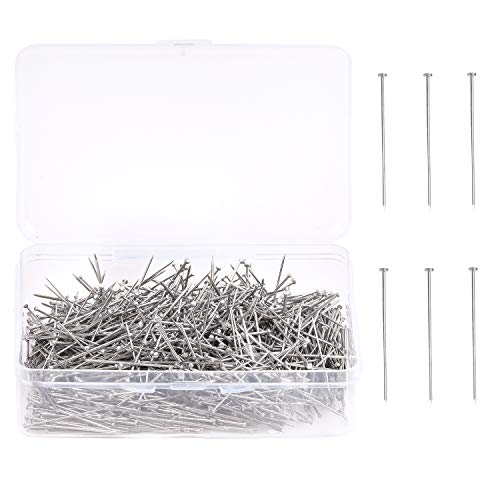
When you are working with intricate lace or delicate silk blends, you need precision that plastic blockers simply cannot provide. HiyaHiya’s stainless steel pins are incredibly sharp and thin, allowing you to manipulate individual stitches without distorting the fabric.
These are essential for "pinning out" lace points or shaping complex cables. Because they are stainless steel, they won’t rust or leave marks on your light-colored yarns, even when wet.
The downside is that they require more patience and dexterity than plastic blockers. They aren’t for the impatient, but for the knitter focused on professional-grade finishing, they are indispensable.
Ashford Wool Blockers: Best for Large Projects
If you frequently knit blankets or large-scale heirloom shawls, you need a system that can handle significant surface area. Ashford blockers are designed with a longer, more robust footprint to manage the weight and tension of large projects.
These are particularly effective for heavy wools that require a firm hand to stretch into shape. Their weight helps hold the fabric down as you work, preventing the "pop-up" effect common with lighter tools.
Be aware that they take up more storage space and are overkill for small accessories like socks or hats. For the large-format knitter, however, they are a sturdy, reliable workhorse.
Why Consistent Blocking Improves Your Knitting
Blocking isn’t just about making a garment look pretty; it’s about evening out the tension that naturally fluctuates as you knit. Even the most experienced hand-knitter has subtle variations in their stitches, often caused by fatigue or changes in posture.
When you soak your project and pin it to specific measurements, you allow the fibers to relax and bloom. This is especially true for natural fibers like wool, which "reset" their structure once exposed to moisture and heat.
Consistent blocking ensures that your gauge is uniform across the entire piece. It is the difference between a project that looks like a prototype and one that looks like a high-end boutique garment.
Essential Tips for Perfect Edge Tension Control
Always start by pinning the corners of your project to establish your foundation. From there, work toward the center, ensuring that you aren’t over-stretching the fabric, which can lead to a distorted, "flat" look.
If your edges are curling, use your pins to gently guide the fabric into a flat plane without pulling too hard. Remember that the goal is to encourage the yarn to settle, not to force it into a shape it doesn’t want to take.
For best results, leave your project pinned until it is completely dry to the touch. Removing pins too early can cause the fibers to shrink back into their original, uneven state.
How to Choose Between Pins and Plastic Blockers
Choosing the right tool comes down to the weight of your yarn and the complexity of your project. Plastic blockers with rows of pins are superior for straight edges and heavy-duty blocking where speed is a priority.
Individual pins are the better choice for delicate lace, curves, or projects with complex shaping. They offer the granular control necessary to highlight intricate stitch patterns without flattening them out.
If you are a versatile knitter, keep both in your stash. Using plastic blockers for the main body and individual pins for the delicate finishing touches is often the most professional approach.
Maintaining Your Blocking Tools for Longevity

To keep your blockers in top shape, always ensure they are completely dry before storing them. Even stainless steel can develop residue if stored while damp, and plastic can warp if left in direct heat.
If you use metal pins, occasionally wipe them down with a soft cloth to remove any natural oils or fiber dust. This prevents them from snagging your yarn during your next project.
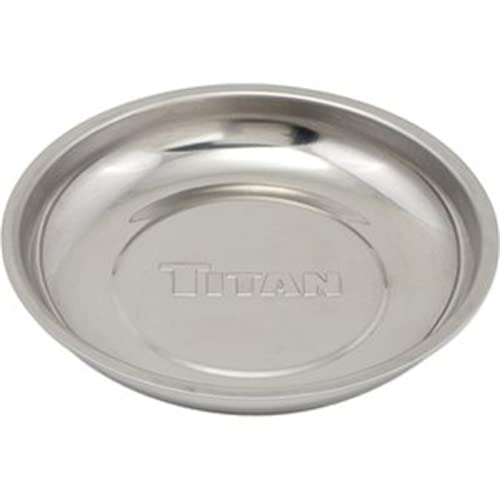
Organize your tools in a dedicated container or a magnetic tray to prevent loss. A well-maintained kit will last for decades, serving as a reliable companion for every project you undertake.
Mastering the art of blocking is a milestone in any knitter’s journey. By choosing tools that match your project’s needs, you ensure that every stitch you labored over is displayed to its full potential. Take your time, trust the process, and enjoy the transformation of your fabric. Happy knitting!