
6 Best Blocking Wires For Triangular Shawls To Use
Blocking wires are essential for shaping triangular shawls. Discover our top six picks to achieve crisp edges and professional results for every project.
Blocking is the final, transformative step that turns a crumpled piece of knitting into a professional-looking garment. When working on triangular shawls, achieving those crisp points and even edges is nearly impossible without the right support system. Blocking wires act as a skeleton for your lace, allowing you to stretch and hold the fabric in place while it dries. Investing in a quality set is the single most effective way to elevate the finish of your hand-knit lace.
Knitter’s Pride Stainless Steel Blocking Wire Set


These wires are the gold standard for many knitters because they offer the perfect balance of rigidity and flexibility. They are thin enough to thread through delicate lace stitches without distorting the yarn, yet sturdy enough to hold a heavy wool shawl in a sharp, straight line.
The set typically includes a variety of lengths, which is critical for triangular shawls. You can use the shorter wires for the top edge and the longer ones for the two sides, ensuring the entire perimeter is tensioned evenly.
Because they are stainless steel, they resist bending out of shape even after years of use. If you are a prolific shawl knitter, these are a reliable "buy once, cry once" investment for your knitting toolkit.
CocoKnits Ewetopia Flexible Blocking Wire Kit

If you struggle with stiff wires, the CocoKnits system offers a refreshing alternative by focusing on flexibility. These are designed to navigate curves and complex shawl shapes that standard rigid wires simply cannot handle.
The material feels more like a coated cable, which is incredibly gentle on delicate fibers like mohair or silk. If you are worried about snagging your yarn, the smooth coating on these wires provides peace of mind that bare metal sometimes lacks.
The trade-off here is that they don’t provide the same "snap-to-straight" tension as stainless steel. They are best suited for shawls with scalloped edges or intricate, non-linear borders where you want to emphasize the drape rather than force a rigid geometric shape.
Lacis Steel Blocking Wires for Fine Lace Projects
Lacis wires are legendary among traditional lace knitters who work with extremely fine-gauge yarn. These are significantly thinner than standard blocking wires, making them ideal for projects where the stitch definition is so delicate that a thicker wire would stretch the loops out of proportion.
These wires are quite stiff, which allows for aggressive blocking of lace. If you are working with a high-twist wool or a linen blend, these wires will hold your points firmly in place until the fibers are completely dry.
Keep in mind that because they are so thin, they can be prone to kinking if handled roughly. Treat them with care, and they will reward you with the sharpest, most professional points you have ever achieved on a shawl.
Clover Patchwork Blocking Wire Set for Shawls
Clover is known for precision, and their blocking wires are no exception. These are excellent for the knitter who values consistency and wants a straightforward, no-nonsense tool that works exactly as expected every time.
The surface finish is exceptionally smooth, which is a major advantage when threading them through a lace border. You won’t find any burrs or rough edges here that might catch on a strand of delicate alpaca or hand-dyed merino.
While they are excellent for standard triangular shawls, they are slightly shorter than some professional-grade sets. If you frequently knit giant, oversized shawls, you may find yourself needing to overlap them more often than you would with a longer wire system.
Beadsmith Extra Long Stainless Steel Blocking Wires
Sometimes, you just need more length. When you are blocking a massive, fingering-weight triangular shawl, having a wire that spans the entire length of the shawl’s wingspan is a game-changer.
Beadsmith wires are often used in jewelry making, which means they are incredibly durable and resistant to rust. Their extra-long nature makes them perfect for blocking the long, top edge of a shawl in one continuous, perfectly straight line.
The disadvantage is that they can be cumbersome to store. You will need a dedicated tube or a long, flat space to keep them from bending, as they are too long to fit in standard knitting supply cases.
Ashford Rigid Blocking Wire Kit for Large Pieces
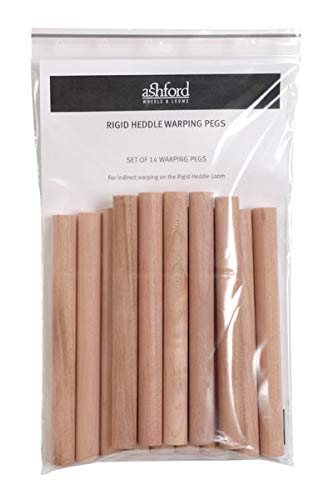
Ashford brings a practical, heavy-duty approach to blocking. These wires are thicker and more rigid than most, making them the superior choice for heavy, rustic wool shawls that require a lot of force to stretch into shape.
If you are blocking a shawl made of dense, non-superwash wool that needs a firm hand, these wires won’t buckle under the pressure. They provide a structural integrity that lighter wires simply cannot match.
Because of their thickness, they are not ideal for very fine, cobweb-weight lace. Use these for your worsted or DK-weight triangular shawls where the yarn has enough "heft" to accommodate a thicker wire without looking distorted.
Why Blocking Wires Are Essential for Shawl Edges
Blocking wires solve the "scalloped edge" problem that occurs when you use pins alone. Pins only hold the fabric at specific points, leaving the spaces between them to sag or ripple.
Wires distribute the tension across the entire length of the edge. This creates a clean, architectural line that makes your lace pattern pop and your stockinette sections look perfectly smooth.
Without wires, a triangular shawl often looks like a lumpy triangle with uneven sides. With wires, you can manipulate the fabric to ensure the two sides of the triangle are identical in length and tension.
Stainless Steel vs Plastic: Choosing Your Material
Stainless steel is the industry standard for a reason. It is durable, rust-resistant, and maintains a perfectly straight line under tension, which is exactly what you want for a crisp shawl edge.
Plastic or coated wires offer more flexibility and are often safer for delicate, snag-prone fibers. However, they can sometimes "relax" under the weight of a very wet, heavy shawl, resulting in a less-than-perfect shape.
If you knit with a variety of fibers, I recommend having a set of stainless steel for your wools and a set of coated wires for your silks and mohairs. Matching the tool to the fiber’s "memory" is the secret to a perfect block.
Mastering the Art of Tensioning Triangular Shawls
The key to a great block is even tension. Start by threading your wires through the edge stitches, then pin the center point of the shawl first to anchor it.
Work your way out from the center, pinning the wires at regular intervals. Do not pull the shawl to its absolute limit; instead, stretch it until the lace opens up and the fabric looks relaxed.
Over-stretching is a common mistake that can permanently distort your stitches. Aim for a gentle, consistent tension that allows the yarn to "bloom" and fill in the gaps between the stitches.
Essential Tips for Preventing Wire Rust and Wear
Even stainless steel can develop surface spots if left in a damp shawl for too long. Always ensure your shawl is completely dry before removing the wires, and wipe the wires down with a dry cloth before storing them.
Avoid storing your wires in a humid environment, such as a basement or a bathroom. A simple PVC pipe or a long, thin cardboard tube keeps them straight and protects them from moisture.
If you notice your wires are starting to feel "sticky" or have small nicks, run them over a piece of fine-grit sandpaper or steel wool. A smooth wire is the best insurance against snagging your next masterpiece.

Blocking wires are the invisible hand that shapes your hard work into a finished piece of art. By choosing the right material and length for your specific project, you ensure that your shawl reaches its full potential. Remember that practice makes perfect, and with the right tools, your blocking process will become just as satisfying as the knitting itself. Happy blocking, and may your points always be perfectly sharp.