7 Best Desk Organizers For Weaving Tools To Try
Keep your loom area tidy with these 7 top desk organizers. Discover practical storage solutions to keep your weaving tools accessible and your workspace clear.
Weaving, much like intricate lace knitting, requires a precise assembly of tools that can quickly clutter your workspace if left unchecked. From shuttles and heddles to tapestry needles and warping pegs, keeping your gear accessible is the difference between a productive afternoon and a frustrated tangle. Choosing the right storage solution isn’t just about aesthetics; it’s about creating a flow that allows your creative process to remain uninterrupted. Here are seven professional-grade organizers that will transform your weaving studio into a functional sanctuary.
IKEA Skådis Pegboard System for Weaving Tools
The Skådis system is a game-changer for those of us who need to see our tools at a glance. By moving your essentials off the table and onto the wall, you reclaim precious surface area for warping or drafting your patterns.
It is particularly effective for hanging various sizes of shuttles, beaters, and pick-up sticks. Using the dedicated hooks and elastic cords, you can customize the layout to fit the specific dimensions of your equipment.


The trade-off here is the initial setup time required to plan your grid. However, once installed, it provides unmatched visibility and prevents your delicate wooden tools from being buried under piles of fiber.
Creative Options Pro Latch Organizer Box
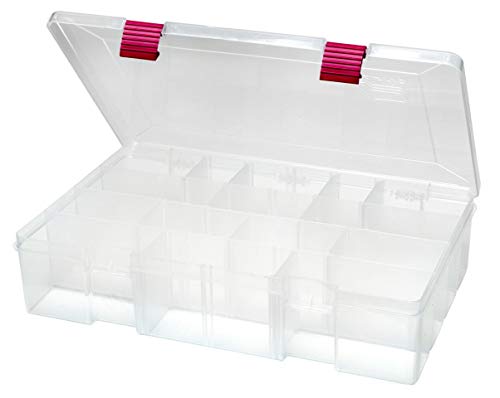
If you are a weaver who works with small bits—think tapestry needles, lease sticks, or tensioning weights—a divided box is non-negotiable. These boxes prevent your small notions from migrating and getting lost in the "yarn abyss."
The Pro Latch system is incredibly secure, meaning you won’t experience the heartbreak of a spilled box if it happens to tip over. I recommend these for anyone who travels to workshops or guild meetings.
The downside is that they are rigid; they aren’t meant for bulky items like large shuttles or cones of yarn. Use these strictly for the fiddly bits that would otherwise vanish into the corners of your studio.
ArtBin Super Satchel Storage for Loom Tools
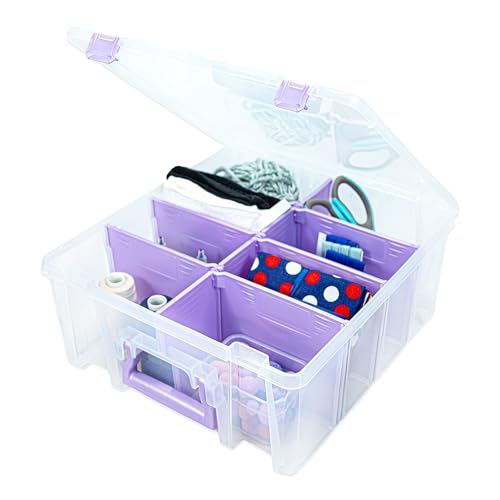
For the weaver who keeps a variety of specialized tools, the Super Satchel is the gold standard for depth and durability. These bins are deep enough to accommodate bulkier items like heavy-duty beaters or large tensioning tools.
I find these most useful for storing project-specific kits. You can keep your warp threads, drafting patterns, and specialized shuttles all in one modular, stackable unit.
Be mindful that these can become quite heavy when fully loaded. If you choose this route, ensure your shelving is sturdy enough to support the weight of multiple satchels over time.
Honey-Can-Do Rolling Cart for Fiber Supplies
A rolling cart is the ultimate "mobile studio" for a weaver who likes to work in different parts of the home. It allows you to keep your current project tools and a few choice cones of yarn within arm’s reach at all times.
The open design means you can grab a pair of scissors or a measuring tape without fumbling with lids or latches. It’s perfect for those of us who move from the loom to the sofa to finish a tapestry.
The main consideration is dust collection, as open carts don’t offer much protection. If you live in a home with pets or heavy lint, consider keeping your most delicate fiber supplies in sealed bags within the cart.
Muji Acrylic Drawer Units for Small Notions

There is something undeniably satisfying about the transparency of Muji-style acrylic drawers. They allow you to categorize your small weaving accessories by function or material type, keeping your workspace feeling serene and orderly.
These are perfect for keeping your delicate items, like fine-gauge tapestry needles or specialized weaving combs, protected from dust while remaining visible. They stack beautifully, allowing you to build your storage upward as your collection grows.
Keep in mind that acrylic can scratch over time if you toss heavy metal tools into the drawers haphazardly. Use small felt liners or fabric scraps to cushion your tools and keep the drawers looking pristine.
Sterilite Stackable Bins for Weaving Yarns

Weaving consumes a massive amount of yarn compared to knitting, and managing your warp and weft cones is a constant battle. Clear, stackable bins are the most cost-effective way to keep your stash categorized by fiber content or color.
I always suggest labeling these by weight and yardage, just as you would with your knitting stash. This prevents you from having to dig through every bin when you’re calculating the warp for a new project.
The tradeoff is that they aren’t as accessible as open shelves. Reserve these bins for your "long-term" stash and keep your "active" project materials in more immediate reach.
Tall Rotating Desktop Caddy for Shuttle Storage

A rotating caddy is an elegant solution for the weaver who keeps a small selection of shuttles and scissors on their desk. It mimics the function of a spinning needle organizer, allowing you to access tools from any angle.
This is best suited for your "daily drivers"—the tools you reach for every single time you sit down at the loom. It keeps your workspace tidy without forcing you to put everything away in a drawer between sessions.
The limitation is capacity; don’t expect it to hold your entire collection. It is a specialized tool for efficiency, not a total storage solution for your entire inventory.
How to Organize Your Weaving Tools by Function
Organizing by function is the secret to a professional workflow. Group your tools into three main categories: Warping, Weaving, and Finishing.
- Warping: Keep your warping pegs, lease sticks, and tensioning tools together in one dedicated area.
- Weaving: Store your shuttles, beaters, and pick-up sticks near the loom for easy access.
- Finishing: Dedicate a specific drawer to tapestry needles, scissors, and fringe twisters.
This approach ensures that when you switch phases of your project, you aren’t hunting for the right equipment. It mimics the "mise en place" approach used by professional chefs, keeping your mind focused on the weave rather than the hunt.
Essential Features for a Weaving Workstation
When evaluating any organizer, look for durability and accessibility first. Weaving tools, especially those made of wood, need to be stored in a way that prevents warping or splintering.
- Visibility: Can you see what you need at a glance?
- Modularity: Can the system grow as your tool collection expands?
- Protection: Are your delicate tools shielded from dust and accidental damage?
Avoid systems that force you to stack heavy metal items on top of fragile wooden ones. Your storage should protect the integrity of your tools, not just contain them.
Tips for Maintaining Your Weaving Tool Collection
Regular maintenance is just as important as storage. Once a month, take a moment to inspect your shuttles for any rough spots that could snag your warp threads.
If you use wooden tools, consider a light application of mineral oil once a year to keep the wood supple and prevent cracking. Always ensure that your tools are clean and free of lint before putting them away in their respective organizers.
Treating your tools with respect ensures they remain reliable partners in your craft for decades. A well-maintained tool is the hallmark of a master weaver who understands that quality work begins with quality care.
Organizing your weaving tools is an evolving process that should grow alongside your skill level. Whether you choose a wall-mounted pegboard or a series of stackable bins, the goal is always to reduce friction in your creative process. Start with the tools you use most frequently and build your system outward from there. With a clear space, your focus can return to the rhythm of the loom and the beauty of the cloth you are creating.