6 Best Spinning Wheel Tension Knobs for Fine Adjustments
Master spinning with our top 6 tension knobs. Discover precision tools designed for fine adjustments to ensure perfect, consistent yarn every single time.
Achieving the perfect twist in your handspun yarn often comes down to the subtle resistance offered by your wheel’s tension system. When you are spinning fine lace-weight singles or delicate silk blends, even a millimeter of adjustment can mean the difference between a smooth thread and a snapped fiber. Mastering your tension knob is the secret to consistent yarn that behaves beautifully on your needles. This guide explores the best hardware upgrades and systems to help you achieve that elusive, buttery-smooth spin.
Ashford Traditional Scotch Tension Knob Upgrade
The standard tension peg on an Ashford Traditional can sometimes feel a bit "jumpy" when you are trying to dial in a very light take-up. Replacing the stock peg with an aftermarket, threaded brass knob transforms the experience entirely. It provides a tactile, mechanical advantage that lets you make micro-adjustments without the fear of the knob slipping back.
This upgrade is essential if you find yourself frequently spinning fine, high-twist yarns where the take-up needs to be incredibly gentle. Because the screw mechanism is finer, you can increase tension by tiny increments as your bobbin fills. It prevents that frustrating moment where the bobbin suddenly grabs your yarn and pulls it out of your hands.
The main trade-off here is the installation process, which requires a steady hand to ensure the threading aligns perfectly with your flyer assembly. If you aren’t comfortable with minor hardware modifications, you might find the initial setup intimidating. However, for the long-term benefit of consistent tension, it is a worthwhile investment for any dedicated spinner.
Schacht Matchless Fine Adjustment Brake Knob
Schacht wheels are renowned for their precision, and the Matchless brake knob is the gold standard for those who demand consistency. It features a weighted, smooth-turning mechanism that resists accidental movement while you are treadling. If you are spinning long-draw or woolen styles, this stability is a game-changer.
The beauty of this knob lies in its ability to hold a setting even under the vibration of high-speed spinning. When you are working with slippery fibers like alpaca or mohair, maintaining a steady pull is vital to avoid "slubs"—those accidental thick spots in your yarn. This knob allows you to lock in a setting that keeps the fiber flowing evenly through your fingers.
Some spinners find the knob’s resistance a bit stiff at first, especially if they are used to looser systems. You might need to add a tiny drop of light machine oil to the threads to keep it turning butter-smooth. Consistency is the ultimate goal here, and this component delivers it in spades.
Kromski Polonaise Precise Tensioning Knob
The Kromski Polonaise is a powerhouse, but its tension system can be quite sensitive due to the wheel’s high-inertia flyer. The precision tensioning knob for this model is designed to dampen that sensitivity. It allows for a more granular control over the brake band, which is crucial when you are working with delicate, high-twist singles.
If you are spinning for a lace project, you know that even a slight over-tension can lead to an uneven ply. This knob helps you find that "sweet spot" where the take-up is just enough to pull the yarn onto the bobbin without stretching the fiber. It turns the wheel from a temperamental beast into a precise instrument.
Be aware that the wood-on-wood or wood-on-metal friction can change depending on the humidity in your studio. During the damp winter months, the wood may swell slightly, making the knob feel tighter. Regular maintenance and a light touch are the keys to getting the best performance out of this system.
Louet Victoria Micro-Adjustment Tension Dial
The Louet Victoria is a marvel of portability, but its small size means that tension adjustments can sometimes feel cramped. The micro-adjustment dial is designed to sit comfortably within the limited space of the flyer assembly. It offers a much wider range of motion than the standard tensioning peg, allowing for very subtle changes in pull.
This is particularly useful if you are a "travel spinner" who works with a variety of fibers in different environments. One day you might be spinning a sticky, high-crimp wool, and the next day a slick, shiny Tencel blend. The micro-dial lets you switch between these extremes with ease, ensuring your yarn doesn’t snap or pile up on the bobbin.
The only downside is that the dial is quite small, which might be challenging for spinners with limited dexterity. If you struggle with small hardware, consider adding a small rubber O-ring to the dial for better grip. It is the ideal solution for spinners who prioritize versatility and portability.
Majacraft Fine Control Tension Knob System
Majacraft wheels utilize a unique tensioning system that is already quite precise, but their fine control knob takes it to the next level. It utilizes a spring-loaded mechanism that provides constant, even pressure on the brake band. This effectively eliminates the "jerky" take-up that can occur with cheaper tension systems.
This system shines when you are spinning very fine, high-yardage yarns for complex lace shawls. Because the tension remains constant even as the bobbin fills up, you don’t have to stop and adjust the knob every few minutes. It allows you to enter a "flow state" where you can focus entirely on your fiber drafting.
While this system is highly effective, it is also more complex to calibrate than a simple screw-type knob. You must ensure that the spring tension is balanced correctly with your drive band tension. Take the time to read the manual, as the payoff in yarn quality is immense.
SpinOlution Precision Tension Brake Knob
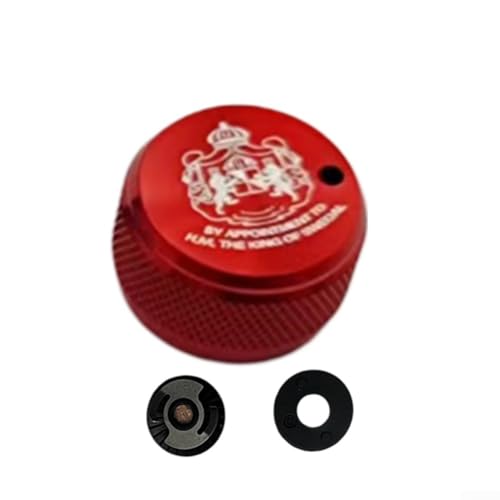

SpinOlution wheels are famous for their ease of use, and their precision brake knob follows that same philosophy. It is designed to be adjusted with just one hand, which is a massive benefit when you are managing a complex fiber supply or dealing with multiple plies. It is robust, simple, and remarkably effective.
If you are a beginner, this knob is likely the most intuitive option on this list. It doesn’t require complex mechanical knowledge to operate, yet it offers enough precision to satisfy an advanced spinner. Whether you are spinning bulky art yarn or fine lace, the adjustment is straightforward and reliable.
The trade-off is that it might lack the "infinite" micro-adjustability of a threaded brass system. However, for 95% of spinning projects, it provides more than enough control. It is a perfect example of functional design that doesn’t overcomplicate the craft.
Why Fine Tension Control Matters for Spinners
Fine tension control is the invisible hand guiding your yarn onto the bobbin. Without it, you are constantly fighting against a wheel that is either pulling too hard—stretching your yarn thin—or not pulling enough, causing the yarn to pile up and tangle. Precise tension allows you to maintain a consistent WPI (Wraps Per Inch), which is the foundation of gauge.
When you are knitting a sweater, you need your yarn to be uniform so that your stitch definition remains crisp. If your tension is inconsistent, your fabric will look lumpy and uneven, regardless of how well you knit. By controlling the tension at the wheel, you are essentially pre-blocking your yarn, ensuring it is ready for the needles.
Ultimately, tension is about reducing the cognitive load of spinning. When your wheel is dialed in perfectly, you stop thinking about the mechanics of the machine and start focusing on the feeling of the fiber. It turns spinning from a technical task into a meditative, creative process.
Scotch vs. Double Drive Tensioning Explained
Understanding the difference between these two systems is the first step toward better tensioning. Scotch tension uses a brake band—a string or spring—applied to the bobbin, while the drive band turns the flyer. This system is generally easier to adjust for fine, delicate spinning because the take-up is independent of the flyer speed.
Double drive systems, on the other hand, use a single band that goes around both the flyer and the bobbin. This creates a more "positive" drive, which some spinners prefer for their consistency and speed. However, it can be more finicky to set up, as the tension is affected by both the drive band tightness and the bobbin ratio.
If you are struggling with your tension, identify your system first. Scotch tensioners often need a clean, smooth brake band to function optimally, while double drive users should focus on the tension of the drive band itself. Don’t blame your knob if your drive band is stretched or slipping.
How to Calibrate Your Wheel for Fine Yarns
Calibration starts with the "empty bobbin" test. Set your tension to the absolute minimum required to pull the yarn onto the bobbin. If the yarn is being pulled from your hands, your tension is too high; if it’s piling up between the flyer and the bobbin, it’s too low.
Next, consider the weight of your fiber. Fine fibers like silk or fine merino have less structural integrity and require a lighter touch. As the bobbin fills, the diameter of the yarn on the bobbin increases, which naturally increases the take-up. You will need to "back off" your tension knob periodically to compensate for this.
Finally, check your drive band. If it is too loose, your tension knob will have to work much harder to compensate, leading to a jerky, inconsistent pull. A well-maintained drive band is the silent partner to your tension knob.
Troubleshooting Common Tensioning Issues
The most common issue is "jerky take-up," which is usually caused by a dirty brake band or a lack of lubrication. If your brake band is made of nylon or cotton, check for fraying; a smooth, clean surface is essential for consistent friction. A drop of candle wax or a tiny bit of lanolin on the brake band can often smooth out the action.
If your yarn is snapping, you are likely using too much tension for the twist you are applying. Fine yarns require a higher twist-to-tension ratio to remain strong. Try increasing your flyer speed or slowing down your drafting hand before you crank up the tension knob.
Lastly, don’t be afraid to experiment. Every wheel and every spinner is different, and what works for a neighbor might not work for you. Trust your hands over the manual; if the yarn feels right, the tension is correct.
Investing in the right tension knob is about more than just buying a new gadget; it is about refining your craft and finding more joy in your spinning. By understanding the mechanics of your wheel and the specific needs of your fiber, you can elevate your yarn from "homemade" to "professional quality." Take the time to calibrate your system, experiment with different settings, and enjoy the process of turning raw fiber into beautiful, consistent yarn. Happy spinning, and may your bobbins always fill with ease.