6 Best Silicone Needle Caps For Double Pointed Needles
Keep your stitches secure with our top six silicone needle caps. Discover the best flexible, durable, and slip-resistant protectors for double-pointed sets.
Knitting with double-pointed needles (DPNs) is a rite of passage, but keeping your stitches from sliding off the ends during breaks can be a constant headache. Silicone needle caps act as essential safety insurance for your work-in-progress, preventing dropped stitches and accidental injury. Choosing the right set involves balancing material grip, size compatibility, and ease of use. This guide breaks down the best options to keep your knitting safe and your needles organized.

Clover Point Protectors: Best Overall Versatility
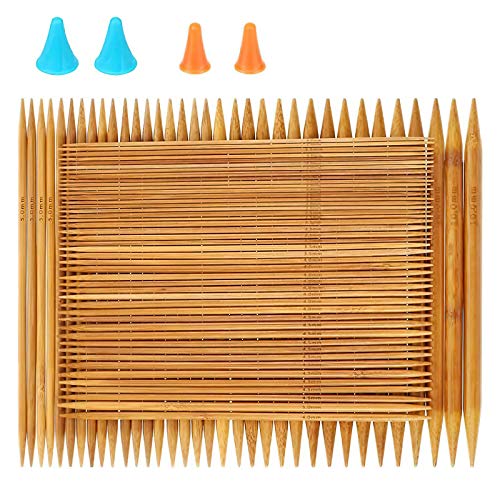
Clover point protectors are the workhorse of the knitting world, and for good reason. Their flexible, rubberized material fits snugly over a wide range of needle sizes, making them a reliable choice for your primary DPN set.
The beauty of these caps lies in their simple, conical shape. They don’t have unnecessary bulk, which means you can easily toss your project into a project bag without them snagging on your yarn or notions pouch.
If you frequently switch between bamboo and metal needles, these are a fantastic neutral choice. They provide enough friction to stay put on slick nickel-plated needles, yet they are gentle enough not to mar the surface of softer wooden tools.
ChiaoGoo Silicone Needle Caps: Best for Small Sizes

When you are deep into a sock project using 2.0mm or 2.25mm needles, standard point protectors often feel like oversized anchors. ChiaoGoo’s silicone caps are specifically designed for the delicate, thin tips required for fine-gauge knitting.
Because these caps are made of a high-quality, pliable silicone, they grip the tiny, sharp points of DPNs without slipping off during transport. They are unobtrusive, allowing you to bundle your DPNs together with a rubber band without the caps creating an awkward, bulky mess.
These are an essential investment for anyone who knits lace or socks. When your needles are this thin, a dropped stitch can be catastrophic, and these caps provide the exact security needed for fine-diameter tools.
Susan Bates Point Protectors: Best Budget Option

You don’t always need expensive, specialized gear to protect your work. Susan Bates protectors are the classic, no-frills option that you can find in almost any craft store, offering a reliable barrier for your needle tips at a very low price point.
These are often sold in multi-packs, which is a huge advantage if you are a "process knitter" who likes to have several projects on the needles at once. You can leave a pair on every single DPN set you own without breaking the bank.
The tradeoff here is that they are slightly stiffer than premium silicone options. They may not have the same "sticky" grip on ultra-slick metal needles, so be mindful if you are packing them for a long trip where your needles might get jostled.
HiyaHiya Puppy Needle Grips: Best Novelty Choice

Knitting should be fun, and sometimes a little bit of whimsy goes a long way in keeping your motivation high. HiyaHiya’s puppy-shaped needle grips are adorable, but they are also surprisingly functional, offering a secure fit for a variety of needle gauges.
The shape of these grips provides a natural "handle" that makes them easier to grab if you have arthritis or struggle with fine motor tasks. The silicone is soft and pliable, which allows it to stretch over slightly larger needle tips while maintaining a tight hold on smaller ones.
While they might look like a novelty, they perform just as well as professional-grade protectors. They are particularly great for gifting to new knitters who might find the technical side of knitting tools a bit intimidating.
KnitPro Silicone Point Stoppers: Best for Grip

If you are working with slippery materials like polished nickel or high-gloss resin needles, you need a cap with serious holding power. KnitPro’s silicone stoppers are engineered with a high-friction surface that refuses to budge.
These stoppers have a deeper internal cavity than many other brands. This allows them to slide further down the needle shaft, providing a more stable anchor that won’t pop off if your project bag takes a tumble.
Because they are so grippy, they can sometimes be a bit snug to pull off. However, this is a small price to pay for the peace of mind that comes with knowing your stitches are absolutely secure.
Cocoknits Colorful Point Protectors: Best Design

Cocoknits has a knack for creating tools that are as beautiful as they are practical, and their point protectors are no exception. They come in a curated palette of colors that help you color-code your projects by needle size.
Beyond the aesthetics, these caps are made from a high-quality silicone that feels substantial in the hand. They are designed to fit a wide range of needles, and the subtle branding is a nice touch for those who appreciate a cohesive "knitting studio" look.
These are perfect for the organized knitter who hates digging through their bag to find the right size. If you value design and functionality equally, these are the gold standard for keeping your needles in order.
Why Use Needle Caps for Double Pointed Projects
DPNs are inherently prone to the "sliding" problem because they lack the stoppers found on single-pointed needles. When you set your work down, gravity often pulls the needles out of your stitches, leading to laddering or, worse, a dropped stitch that unravels your progress.
Using caps effectively turns your DPNs into a secure, contained unit. This is vital when you are working on circular projects like socks, mittens, or sleeves, where the stitches are under tension and eager to escape.
Furthermore, caps protect the delicate tips of your needles. If you use expensive hand-turned wooden needles, a cap prevents the points from becoming dull or chipped when they inevitably collide with other items in your knitting bag.
How to Select the Right Size for Your Needles
Selecting the right size is all about the diameter of your needle shaft, not just the tip. Most manufacturers offer a range, but you want a cap that fits snugly without needing to be forced, which could eventually stretch out the silicone.
- Small (0-3mm): Essential for sock knitting and fine lace work.
- Medium (3.25-5mm): The most common size for standard worsted-weight projects.
- Large (5.5mm+): Necessary for bulky yarns and heavy-duty needles.
If you are between sizes, always opt for the slightly smaller cap. A loose cap will fall off the moment you turn your bag upside down, whereas a slightly snug one will hold firm through even the roughest commute.
Maintaining Your Silicone Caps for Longevity
Silicone is a durable material, but it can attract lint, dust, and stray fibers from your yarn over time. This buildup reduces the grip and can make the caps look dingy, but a quick rinse is all it takes to restore them.
Simply wash your caps in warm water with a drop of mild dish soap. Avoid using harsh chemicals or abrasive scrubs, as these can degrade the silicone and cause it to lose its elasticity.
Let them air dry completely before putting them back on your needles. If you notice them becoming "tacky" or sticky, it is usually a sign of residue buildup, and a thorough wash will bring back that brand-new, grippy performance.
Common Mistakes When Storing Your Knitting Tools
The biggest mistake knitters make is storing their DPNs in a way that puts pressure on the needle tips. Even with caps on, if you jam your needles into a crowded bag, the stress can warp the needles or cause the caps to split.
Avoid leaving your needles in direct sunlight or extreme heat, such as inside a hot car. Silicone can become soft and lose its shape when exposed to high temperatures, rendering your caps ineffective.
Lastly, don’t store your needles with the caps on for months at a time if you live in a humid environment. Moisture can get trapped inside the cap, leading to potential rust on metal needles or mold on wooden ones.
Finding the right needle cap is a small but significant upgrade to your knitting workflow. Whether you prioritize the budget-friendly reliability of Susan Bates or the sleek design of Cocoknits, the goal remains the same: protecting your stitches and your tools. Take the time to match your caps to your needle gauge, keep them clean, and your DPN projects will stay safe until you are ready to pick them up again. Happy knitting!