7 Best Needlepoint Protectors For Circular Needles
Keep your stitches secure and prevent unraveling with our top 7 needlepoint protectors. Discover the best tools to safeguard your circular knitting projects.
Every knitter knows the sinking feeling of pulling a project from their bag, only to find a dozen stitches have slipped off the needle tips. Circular needles are particularly prone to this, as the flexible cord often encourages the needles to migrate toward the center of your work. Investing in a set of reliable point protectors is the simplest way to safeguard your progress and protect your delicate needle tips from damage. This guide explores the best options on the market to ensure your knitting stays exactly where you left it.
Clover Point Protectors: The Reliable Classic
Clover point protectors are the industry standard for a reason. They feature a simple, soft rubber construction that slides easily onto a wide range of needle sizes without putting undue stress on the tips.
Because they are lightweight and flexible, they don’t weigh down the weight of your circular cable. This is vital when you are working on a heavy project like a wool-blend sweater where every ounce of drag matters.
The trade-off is that they can occasionally slip off if they are tossed haphazardly into a large project bag. However, for most everyday knitting, their reliability and accessibility make them a staple in any well-stocked notions tin.
ChiaoGoo Tip Protectors: Best for Lace Tips
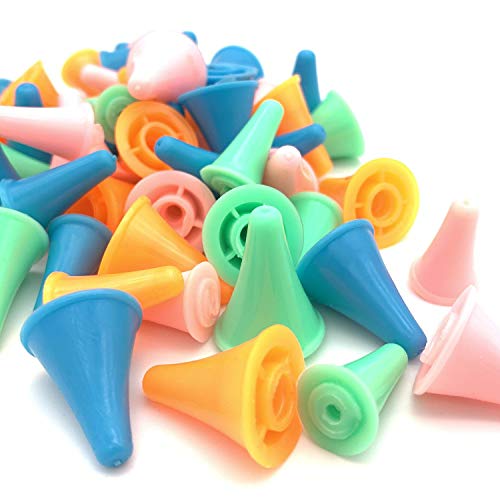

If you frequently work with sharp, tapered lace needles, you know the frustration of standard caps falling off or failing to cover the point. ChiaoGoo designed these specifically to accommodate the slender, aggressive taper of their signature stainless steel needles.
These protectors grip the needle just behind the point, ensuring that even the most delicate lace-weight yarn stays securely seated on the shaft. They are particularly useful when you are working with slippery materials like silk or superwash merino.
Because they are engineered for precision, they are less versatile for thicker, blunt-tipped bamboo needles. If your collection is primarily sharp metal needles, these are the gold standard for preventing dropped stitches.
KnitPro Needle Caps: Best for Secure Fit

KnitPro caps are known for their snug, reliable grip that rarely migrates once applied. They are designed to fit firmly over the needle tip, making them ideal for knitters who travel with their projects.
The material is slightly firmer than standard rubber protectors, providing a reassuring "click" when they reach the right spot on your needle. This tactile feedback is helpful for knowing the needle is fully secured.
Keep in mind that this tighter fit can be harder on the fingers if you have arthritis or limited hand strength. If you struggle with stiff materials, you might prefer a softer silicone alternative.
HiyaHiya Puppy Snips: Best for Small Needles
Finding protectors for tiny sock needles is a common headache for many knitters. HiyaHiya Puppy Snips are specifically sized for those smaller diameters, ranging from 2.00mm to 3.50mm, which are standard for sock gauge.

These are shaped like little puppy heads, which isn’t just for aesthetics; the design allows you to easily grip the "ears" to pull them off the needles. This makes them much easier to remove than flat, smooth caps that can get stuck.
They are an essential tool for anyone obsessed with sock knitting. Having a few pairs of these in your notions bag ensures you can safely pause your project mid-row without worrying about losing your gauge.
Cocoknits Leather Point Protectors: Best Style
Cocoknits offers a sophisticated, minimalist approach for the knitter who appreciates tactile quality. These are made from genuine leather, which provides a natural grip that synthetic materials often lack.
Because they are leather, they age beautifully and provide a secure, non-slip hold that doesn’t feel like plastic. They are particularly well-suited for wooden or bamboo needles, as the leather won’t damage the finish of the natural material.

They are an investment compared to bulk-pack plastic caps, but they offer a level of durability and aesthetic pleasure that mass-produced options cannot match. They are the perfect choice for the knitter who enjoys a curated collection of tools.
Tulip Point Protectors: Best Silicone Grip

Tulip is renowned for their high-quality manufacturing, and their point protectors are no exception. They utilize a premium silicone that is both soft to the touch and incredibly grippy.
The interior of these protectors features a ribbed design that helps them stay put on needles of varying thicknesses. This versatility is great if you use a mix of needle brands and materials in your project rotation.
They are very gentle on your hands and easy to manipulate, even after a long knitting session. If you prioritize comfort and a non-slip hold, these are a top-tier choice for your circular needle collection.
Boye Point Protectors: Best Budget Option

Boye protectors are the quintessential "utility" choice for the knitter who needs a large volume of caps for a reasonable price. They are widely available and come in a variety of sizes to fit almost any needle in your stash.
While they may not have the premium feel of leather or the advanced grip of silicone, they get the job done reliably. They are perfect for beginners who are just starting to build their collection and need basic protection for their initial needle sets.
The main downside is that they can lose their elasticity over time, eventually becoming loose. However, given their price point, they are easily replaceable and serve as a reliable workhorse for your daily knitting needs.
Why You Need Protectors for Circular Needles
Circular needles are prone to "needle creep," where the weight of the project causes the needles to slide out of the stitches while resting in your bag. Without protectors, a simple commute can result in a catastrophic drop of twenty or thirty stitches.
Beyond just saving your stitches, protectors preserve your needle tips. Whether it is a delicate wooden point or a sharp metal taper, protecting the tip prevents nicks and burrs that can snag your yarn later.
Consider these factors when deciding to use them:
- Project Weight: Heavier items pull needles harder; use tighter-fitting caps.
- Fiber Slipperyness: Silk and nylon blends slide off needles much faster than wool.
- Storage Location: If your bag gets tossed around, you need a cap that locks on securely.
How to Choose the Right Size for Your Needles
Most point protectors are sold in ranges (e.g., Small, Medium, Large) rather than specific millimeter sizes. It is crucial to check the packaging to ensure the range covers the needles you use most often.
If you are between sizes, always err on the side of a slightly tighter fit. A protector that is too loose will inevitably fall off, rendering it useless for your project.
If you are using very thin needles, such as those used for lace or socks, you must use specialized small-diameter protectors. Attempting to force a "one-size-fits-all" cap onto a thin needle will stretch the material and ruin the protector for future use.
Proper Storage Tips for Your Circular Needles
Never store your circular needles with the cables kinked or folded tightly. Over time, this creates permanent memory in the plastic or nylon cable, making it difficult to knit with later.
Instead, coil your circular needles in a large circle and store them in a dedicated case or a breathable cotton pouch. This prevents the cables from tangling with each other and keeps the needle tips protected from dust and damage.
Always apply your point protectors before putting the needles away. Even if you think you’ll be back to the project in an hour, taking those five seconds to cap the needles prevents accidental snags and keeps your yarn tension consistent.
Finding the right point protector is a small but vital step in maintaining the longevity of your knitting tools and the safety of your projects. Whether you prioritize the grip of silicone or the classic utility of rubber, there is an option that fits your specific knitting style. By taking the time to protect your needles, you ensure that your next project starts exactly where the last one left off. Happy knitting, and may your stitches always stay secure.