7 Best Wool Felt Sheets For DIY Applique To Try
Discover the top 7 wool felt sheets for DIY applique. This guide highlights durable, vibrant options perfect for your next creative textile project today.
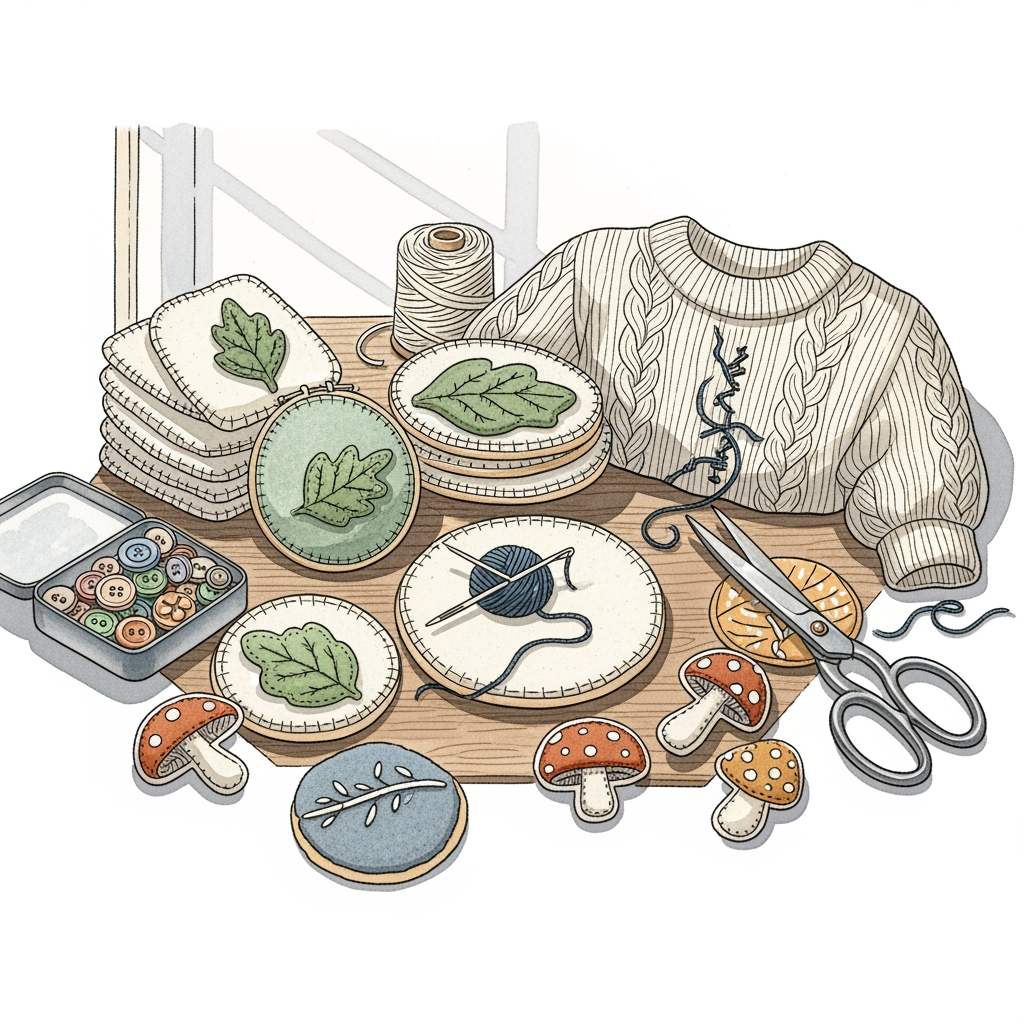
Adding wool felt appliques to a hand-knitted sweater or accessory is a transformative way to elevate a simple stockinette base into a wearable work of art. Choosing the right felt is critical, as a poor-quality sheet can pill, stretch, or warp against the tension of your stitches. By selecting the correct fiber blend, you ensure that your decorative elements move harmoniously with the knit fabric rather than fighting against it. This guide explores the best options to help you achieve a professional, long-lasting finish on your next project.
Benzie Design Wool Blend Felt: Best Overall Choice


Benzie Design has become a staple in the fiber arts community for a reason: their 20/80 wool-rayon blend hits the perfect sweet spot between durability and softness. This specific ratio is vital for appliques because pure wool can sometimes be too thick or prone to excessive pilling when subjected to the friction of a sweater’s sleeve or collar.
The blend offers just enough "tooth" to grip your knitting needles or embroidery thread without being so fibrous that it catches on every stray loop of yarn. It holds a crisp edge, which is essential if you are cutting intricate floral shapes or geometric patterns to sew onto a finished garment.
If you are a beginner looking to experiment with applique for the first time, this is your safest bet. It is forgiving, comes in a massive array of curated palettes, and behaves predictably under the needle.
National Nonwovens WoolFelt: The Premium Standard

When you are working on a high-end heirloom project, such as a cabled cardigan or a delicate baby blanket, you want a material that matches the quality of your yarn. National Nonwovens is widely considered the industry standard for 35/65 wool-rayon blends, offering a denser, more substantial hand than cheaper alternatives.
Because this felt is significantly denser, it resists the "fuzzing" that often happens when wool felt rubs against wool knitwear. This is particularly important for high-friction areas like elbows or the chest, where your arms might brush against the applique throughout the day.
The trade-off here is the weight; it is a stiffer product than some others on this list. While it provides excellent structure for stiff designs, it may feel slightly heavy if you are applying it to a lightweight lace-weight shawl.
FeltWonders Merino Wool Sheets: Softest Textures

If you are working with luxury fibers like cashmere or fine merino, you need an applique that won’t feel scratchy against the skin. FeltWonders offers 100% merino wool sheets that are exceptionally soft to the touch, making them ideal for items worn close to the body.
Because these are made from 100% natural fibers, they have a beautiful, organic drape that mimics the movement of your knitted fabric. You won’t get that "stiff patch" feeling that sometimes occurs when using synthetic-heavy blends on a soft, drapey sweater.
However, keep in mind that 100% wool felt is more susceptible to shrinking if the garment is washed improperly. Always ensure your base knit is blocked and stable before attaching these delicate felt pieces.
Kunin Premium Felt: Best Budget Wool-Blend Option

For those who are just starting to practice their applique skills, investing in expensive wool felt can feel intimidating. Kunin Premium is a reliable, accessible option that contains a percentage of recycled wool fibers, making it a functional choice for practice pieces or children’s clothing.
It is significantly thinner than the premium options, which makes it very easy to cut with standard sewing scissors. If you are planning to do a lot of complex, multi-layered layering, the lower profile of this felt will prevent your applique from becoming bulky.
Be aware that this product contains a higher percentage of synthetic fibers than the others. While it is durable, it lacks the rich, matte aesthetic of high-wool content felts and may have a slight sheen under bright lighting.
Purl & Loop Wool Felt: Ideal for Intricate Work
Precision is everything when you are cutting tiny, detailed shapes for a needle-felted or embroidered applique. Purl & Loop provides a high-density felt that cuts cleanly without the edges fraying or crumbling, even when you are working with very small, tight curves.
This felt has a very consistent thickness, which is a lifesaver when you are trying to align multiple pieces of an applique. If you are stacking colors to create a dimensional effect, you won’t have to worry about uneven heights or gaps between the layers.
Because it is so dense, it requires a sharp needle to penetrate. I recommend using a thin, high-quality embroidery needle to ensure you don’t leave large, visible holes in the felt when attaching it to your knit fabric.
Cloud Craft Wool Felt: Best Range of Colorways

Sometimes the success of a project comes down to finding the exact shade to match your hand-dyed yarn. Cloud Craft is renowned for its sophisticated, muted color palette that pairs beautifully with the natural tones found in most wool yarns.
The felt itself is a high-quality wool-rayon blend that strikes a balance between softness and structural integrity. It feels substantial enough to hold its shape during the heavy manipulation of embroidery, yet it remains supple enough to sew through with a standard sewing machine or by hand.
If you are color-matching, remember that screen resolutions can be deceptive. I always suggest ordering a sample card if you are trying to match a specific skein of yarn, as the subtle undertones of the felt can shift significantly in natural light.
Bucilla Heirloom Wool Felt: Best for Embroidery

Bucilla has been a household name in the craft world for decades, and their heirloom wool felt is specifically designed to work well with heavy embroidery. If your applique project involves decorative stitching around the edges, this felt is your best friend.
The weave is tight enough that it won’t pull apart when you pull your thread taut, which is a common frustration with cheaper, loosely felted materials. It provides a stable "canvas" that allows your embroidery stitches to sit neatly on top rather than sinking into the fiber.
Because it is designed for embroidery, it is slightly more rigid than other options. This makes it perfect for creating badges or patches that you intend to sew onto a bag or a heavy coat, rather than a lightweight sweater.
How to Distinguish Real Wool from Synthetic Felt
The easiest way to tell the difference is the "burn test," though I rarely recommend doing this to a full sheet. If you snip a tiny corner, synthetic felt will melt into a hard, plastic-like bead, while wool felt will singe and smell like burnt hair.
Visually, look at the surface under a bright light. Synthetic felt often has a slight, unnatural sheen and the fibers may look uniform or "pilled" in a way that feels like plastic. Real wool felt has a matte, slightly irregular texture that looks more like a natural textile.
Another clue is the "stretch and snap" test. Pull the felt gently; wool felt will have a subtle, natural elasticity and will return to its shape, whereas synthetic felt often feels stiff or tends to stretch out and stay deformed if pulled too hard.
Essential Tips for Cutting Felt Without Fraying
The secret to a crisp edge is using a rotary cutter and a sharp, fresh blade rather than scissors. Scissors tend to pinch the felt fibers as they cut, which can lead to a fuzzy or jagged edge that looks messy once it is on your sweater.
If you must use scissors, use a pair of high-quality embroidery shears with a fine point. Make long, smooth cuts rather than short, choppy "nibbles," as this minimizes the amount of fiber displacement along the cut line.
For complex shapes, consider using a freezer paper template. Iron the freezer paper onto the felt, draw your design, and cut through both layers; the paper acts as a stabilizer that keeps the wool from shifting or fraying during the process.
Best Adhesives for Securing Felt to Knit Fabrics
When attaching felt to knitwear, I generally prefer a temporary basting adhesive or a very light touch with a fabric glue stick. Avoid heavy, permanent fabric glues, as they will dry into a stiff, impenetrable layer that ruins the drape of your knitted fabric.
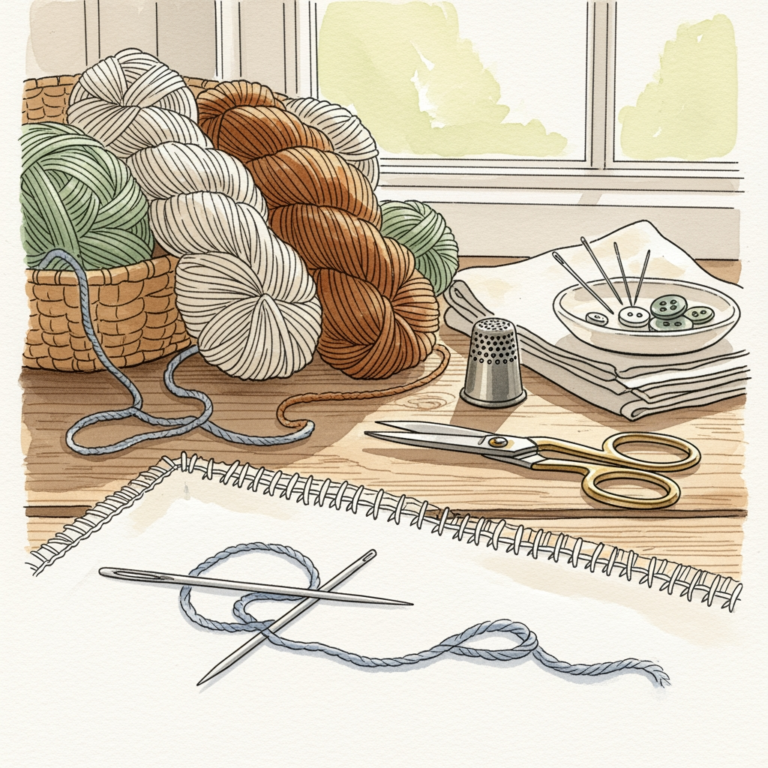
A better approach is to use a "tack and stitch" method. Use a tiny amount of glue to hold the piece in place, then secure it permanently with a whip stitch or a blanket stitch using a fine sewing thread or a single ply of lace-weight yarn.
This method ensures the applique stays put through multiple washings without creating a stiff "shield" on the back of your work. Always test your adhesive on a swatch of your yarn first to ensure it doesn’t cause discoloration or leave a permanent residue.
Integrating felt appliques into your knitting allows for a beautiful fusion of two distinct textile traditions. By carefully selecting a wool-blend that complements the weight and fiber content of your yarn, you can ensure your work remains both durable and aesthetically pleasing. Remember that the best applique is one that respects the movement and tension of your knit fabric. With these materials and techniques in your toolkit, you are ready to add a new layer of creativity to your next project.