7 Best Collapsible Needles For Small Bead Holes
Struggling with tiny beads? Discover the 7 best collapsible needles designed to thread even the smallest holes with ease. Improve your jewelry making today.
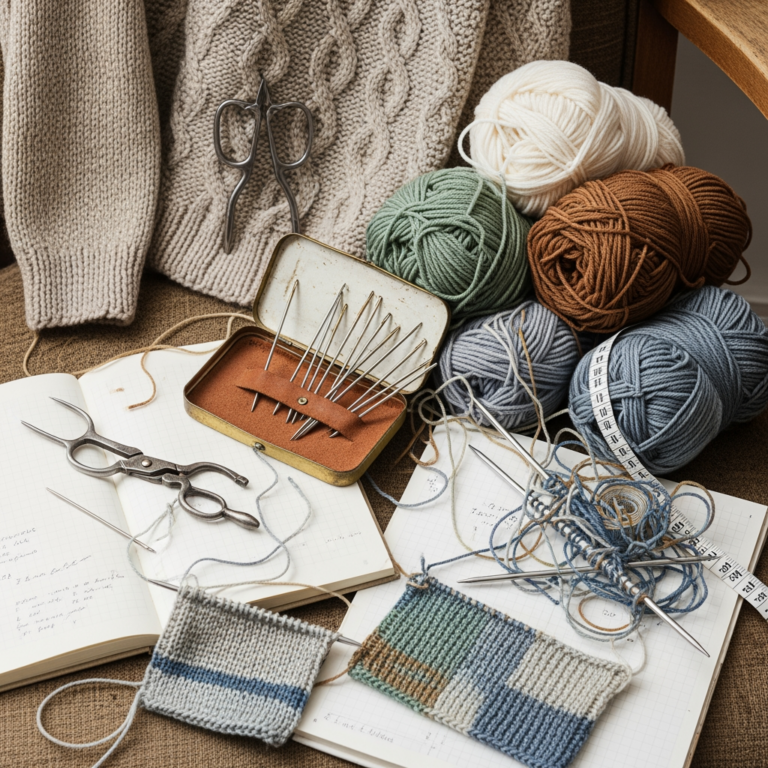
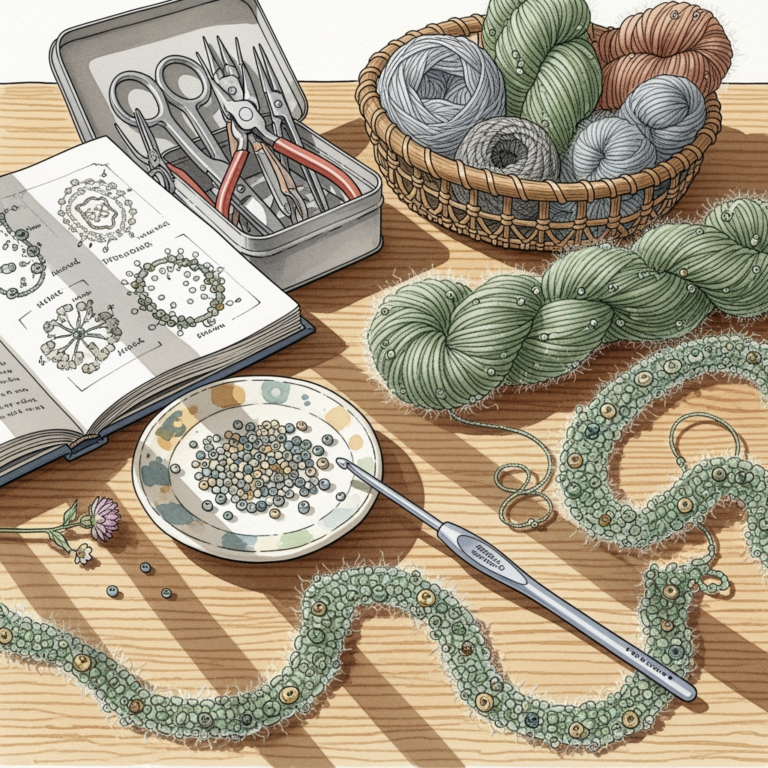
Finding the right needle for beaded knitting is often the difference between a meditative project and a source of pure frustration. When you are working with delicate silk or fine lace-weight yarn, a standard needle simply won’t pass through those tiny bead apertures. Collapsible needles are the secret weapon for crafters looking to incorporate sparkle without compromising the integrity of their fiber. This guide explores the best options to ensure your next beaded masterpiece flows as smoothly as your favorite stockinette stitch.
Tulip Beading Needles: The Professional Standard


Tulip needles are widely considered the gold standard for a reason. They offer an exceptional balance of flexibility and structural integrity that is rare in the beading world.
When you are working with high-end materials like hand-dyed silk or delicate alpaca, you don’t want a needle that snags or snaps mid-row. These needles glide through the tightest bead holes while maintaining a smooth finish that won’t shred your yarn.
The trade-off is the price point, which is higher than your average craft store multipack. However, for a project involving expensive beads or intricate lace, the investment pays off in reduced breakage and smoother throughput.
Beadsmith Collapsible Eye Needles for Precision

The Beadsmith line is a staple in most well-stocked notions bags. These needles feature a long, collapsible eye that makes threading a breeze, even when your eyes are tired after a long evening of knitting.
They are particularly effective when you are stringing beads onto a fine mohair or laceweight yarn. Because the eye collapses completely, it acts like a thin wire that slips through the bead without resistance.
Keep in mind that these needles can be prone to bending if you force them through a bead hole that is truly too small. Use them as a guide to test your bead size before committing to a full row of stringing.
Dritz Beading Needles: Best for Small Bead Holes

Dritz needles are the reliable workhorses you’ll find in almost any local haberdashery. They are incredibly thin, making them the go-to choice when you’re working with size 11/0 or 15/0 seed beads.
If you are a knitter who enjoys adding subtle bead accents to the cuffs of your socks, these are your best friends. They are slender enough to navigate tight spaces without stretching the bead hole or damaging the yarn fibers.
The only downside is that they can be delicate. Treat them with the same care you would a set of size 1.0mm knitting needles; don’t bend them at sharp angles or they will lose their shape.
John James Collapsible Eye Needles for Stringing
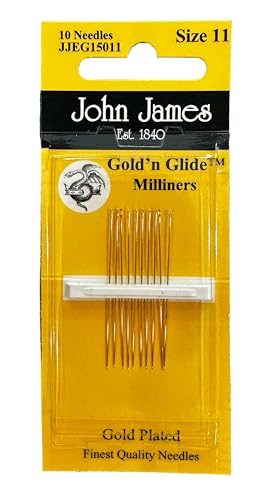
John James has a long-standing reputation for producing high-quality steel needles. Their collapsible eye needles are designed to hold their shape longer than many cheaper alternatives.
These are excellent for projects where you need to pre-string hundreds of beads. The eye is generous enough to accommodate various thread thicknesses, from fine sewing thread to thin lace-weight yarn.
They provide a consistent experience, which is vital when you are trying to maintain a steady rhythm in your knitting. If you find your current needles are snapping under pressure, switching to a high-quality steel version like this can be a revelation.
Miyuki Beading Needles: The Delicate Choice
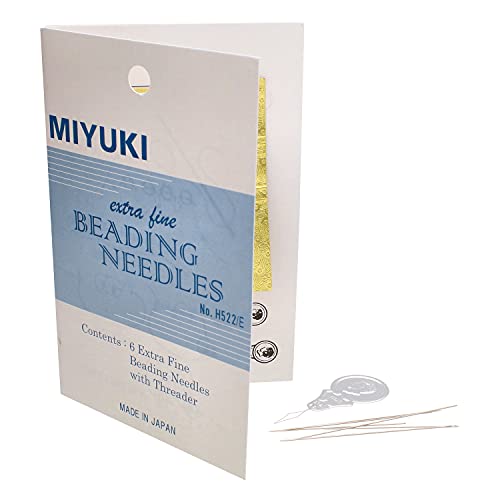
Miyuki is a brand synonymous with precision, particularly among those who prioritize the quality of their beadwork. These needles are exceptionally fine and polished to a mirror-like finish.
They are perfect for the knitter who is working with extremely fragile glass beads that might crack under the pressure of a thicker, more rigid needle. The smooth surface ensures that the yarn doesn’t catch as you slide the bead into place.
Because they are so fine, they are not intended for heavy-duty use. Save these for your most delicate lace projects where precision is the absolute priority.
Pony Collapsible Eye Needles for Fine Threading

Pony needles offer a very accessible entry point for those just starting to experiment with beading in their knitting. They are lightweight and flexible, which makes them very forgiving to handle.
They are particularly useful when you are dealing with slightly larger bead holes and don’t need the extreme precision of a high-end steel needle. They provide a nice "give" that prevents the needle from feeling too rigid in your hand.
While they may not last as long as professional-grade steel needles, they are perfect for a single, small project. They are an excellent way to test whether you enjoy the process of adding beads to your knitwear.
Cousin DIY Collapsible Needles for Easy Loading
Cousin DIY needles are widely available and designed for convenience. They are often sold in packs that allow you to keep a spare on hand, which is a lifesaver if you accidentally lose or bend one.
These are ideal for beginners who are still learning how to manage the tension of their yarn while threading beads. They are straightforward, functional, and get the job done without any unnecessary complexity.
They might not have the longevity of a boutique brand, but they are perfect for keeping in your travel knitting bag. Having a reliable, easily replaceable tool is often better than having a fragile, expensive one.
How to Choose the Right Needle for Bead Sizes
Selecting the right needle is a balance between the diameter of your yarn and the size of the bead aperture. If the needle is too thick, you will struggle to pull it through the bead; if it’s too thin, it may lack the stability to hold the bead open.
- Size 15/0 beads: Use the thinnest collapsible needles available, such as Miyuki or Dritz.
- Size 11/0 beads: Most standard collapsible needles will work well here.
- Size 8/0 or larger: You have more flexibility and can use slightly sturdier needles.
Always remember that the "collapsible" nature of the eye is your primary advantage. If you are using a thicker yarn, ensure the eye collapses down to the diameter of your thread to avoid snagging.
Tips for Threading Beads Without Frustration
Threading beads is a task that requires patience and good lighting. If you find yourself struggling, try using a small bead spinner to load your beads onto the needle more efficiently.
If the yarn ends are fraying and making threading difficult, apply a tiny drop of clear nail polish or specialized thread sealant to the very tip. Let it dry completely before attempting to thread.
Don’t force the needle if it feels stuck. If you have to push hard, you risk breaking the needle or the bead, which can cause the yarn to snap.
Maintaining Your Needles for Longevity and Use
Even the best needles will eventually lose their shape or develop burrs. Store your needles in a protective case or a dedicated needle book to keep them from bending.
If a needle develops a slight bend, you can sometimes gently straighten it on a flat, hard surface. However, if the eye becomes permanently distorted or the metal develops a rough edge, it is time to replace it.
Think of your needles as precision instruments. By treating them with care and choosing the right tool for the specific yarn and bead combination, you ensure your knitting remains a pleasure rather than a chore.
Incorporating beads into your knitting adds a layer of texture and light that elevates any garment from simple to sophisticated. While the process of threading can be daunting, using the right collapsible needle transforms the task into a seamless part of your craft. Choose your tools based on the delicate balance of your yarn and bead size, and you will find that beading becomes a natural extension of your knitting practice. Happy making, and may your rows be ever smooth and your beads perfectly placed.