7 Best Ergonomic Handle Grippers For Hand Fatigue
Combat hand fatigue with our top 7 ergonomic grippers. Discover designs that reduce strain, improve comfort, and boost your daily productivity effectively.
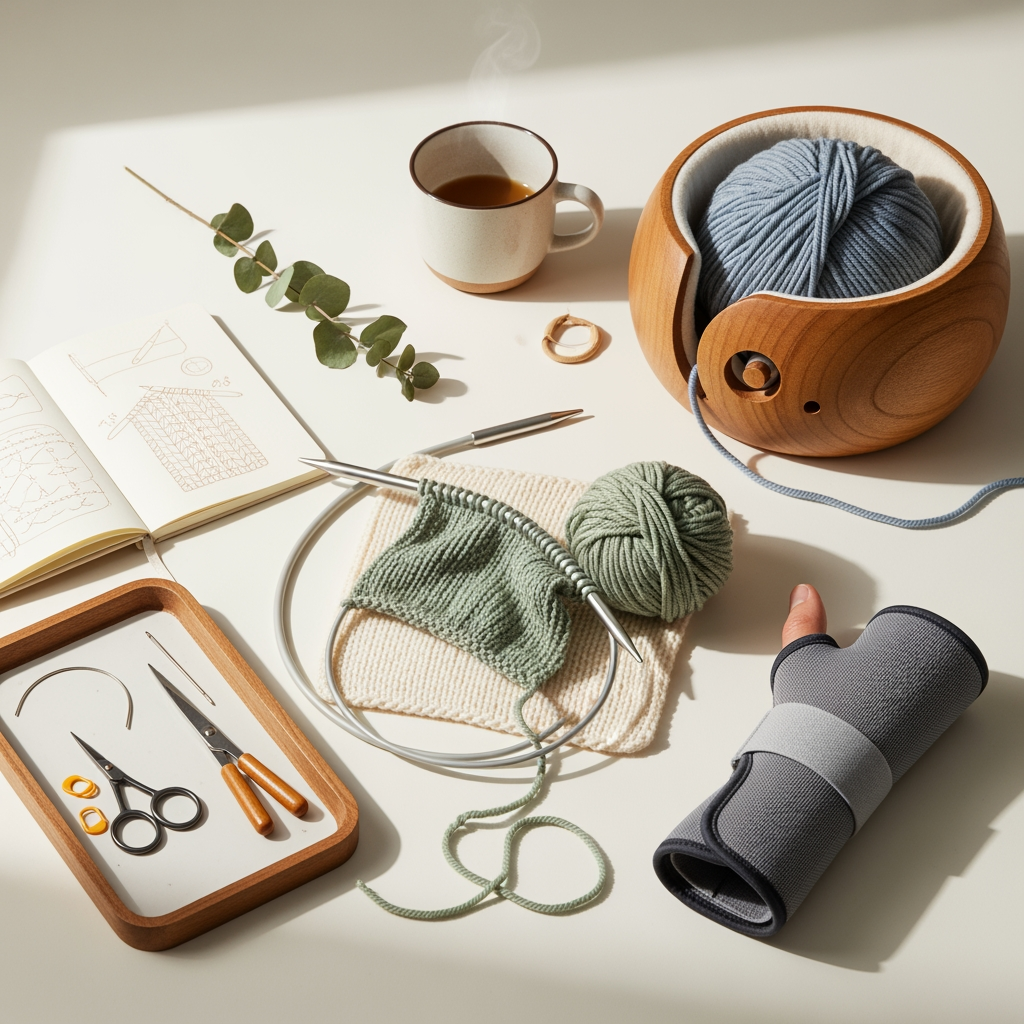
Hand fatigue is the silent thief of joy in the fiber arts, often turning a relaxing evening of knitting into a painful chore. After two decades at the needles, I have learned that the right grip isn’t just about comfort—it is about longevity in your craft. Whether you are battling early-stage arthritis or simply putting in marathon hours on a complex cable sweater, your tools dictate your endurance. This guide explores the ergonomic options that can help you keep your stitches flowing without the ache.
Clover Amour Crochet Hook Ergonomic Grip Handles


Clover Amour hooks are the gold standard for many because of their signature elastomer rubber handles. The material is soft, slightly tacky, and provides just enough "give" to cushion the thumb and fingers during long sessions.
The shape is a flattened oval, which naturally prevents the hook from rotating in your hand. This is a massive advantage if you tend to have a "death grip" on your tools, as the wider surface area distributes pressure more evenly across your palm.
However, the rubber can sometimes feel a bit warm if you are a "hot-handed" knitter. If you find your palms sweating while working with cotton or linen, these might feel slightly sticky over time.
Boye Ergonomic Aluminum Crochet Hook Set Review
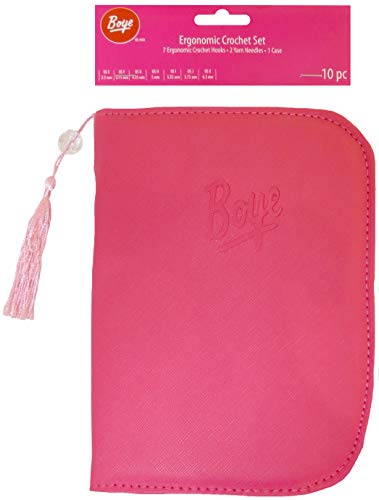
Boye offers a more utilitarian approach to ergonomics with a focus on a wider, molded plastic handle. These are excellent for makers who find the soft-touch rubber grips of other brands to be too squishy or unstable.
The primary benefit here is the stability of the grip. Because the handle is rigid, you get a very consistent feel, which is helpful if you struggle with maintaining an even gauge across varying yarn weights.
The tradeoff is that they lack the shock-absorption of softer materials. If you have significant joint stiffness, the harder plastic may not provide the relief you need for extended, multi-hour projects.
Addi Swing Ergonomic Crochet Hook Handle Design

The Addi Swing is a radical departure from the traditional straight-handled hook. Its curved, ergonomic shape is specifically engineered to follow the natural contour of the human hand, reducing the need for a tight pinch.
This design is a game-changer for those with carpal tunnel or severe tendonitis. By allowing the hook to rest against the palm, it shifts the workload from the small muscles in your fingers to the larger, more capable muscles in your hand and forearm.
Be aware that the unusual shape requires a learning curve. If you have been knitting or crocheting for years with a standard "pencil" or "knife" hold, it may take a few swatches to find your rhythm with these.
Tulip Etimo Rose Ergonomic Crochet Hook Review

Tulip Etimo hooks are widely considered the "luxury sedan" of the crochet world. The handle is composed of a proprietary cushion material that is remarkably smooth and ergonomic, providing a weightless feel that reduces hand strain.
The standout feature is the polished hook head, which allows for a smooth glide through even the most splitty, high-twist merino wools. When your tool doesn’t snag, you don’t have to pull as hard, which is the first step in preventing repetitive strain.
They are an investment, certainly. But for a knitter who spends their winters working on intricate lace shawls, the reduction in hand fatigue is well worth the price tag.
Susan Bates Soft Ergonomic Handle Crochet Hooks

Susan Bates is famous for their inline hook head, which is a favorite among those who prioritize stitch uniformity. Their ergonomic line adds a soft, cushioned sleeve to that classic shape, bridging the gap between tradition and comfort.
The inline head forces you to catch the yarn at a specific angle, which can actually help you maintain a more consistent gauge. If you struggle with uneven stitches in your stockinette or double crochet, this mechanical assist is very helpful.
The handles are quite thick, which is great for those with larger hands or limited dexterity. If you have smaller hands, however, the girth of the handle might feel a bit cumbersome after a while.
Prym Ergonomic Crochet Hook Handle Innovations

Prym has taken a high-tech approach to ergonomics, utilizing lightweight, high-performance plastics that are both warm to the touch and incredibly durable. Their hooks are designed to be "snag-free," with a unique finish that minimizes friction.
The most notable feature is the lightweight construction. When you are working with heavy, bulky yarns, a heavy hook can add unnecessary weight to your wrist movement; the Prym hooks eliminate that extra load entirely.
While they are excellent for travel due to their durability, some knitters find the material to be slightly less "grippy" than rubberized handles. If you prefer a tool that sticks to your skin, you might find these a bit slick.
Furls Odyssey Ergonomic Metal Crochet Hook Set
Furls Odyssey hooks are heavy, balanced, and designed to provide a "weighted" feel that many find incredibly soothing. The teardrop shape is specifically designed to fill the palm, which prevents the hand from cramping into a claw position.
Because they are made of metal, they have a wonderful, cool sensation that feels great during summer knitting. The weight of the hook actually does some of the work for you, pulling the yarn through the stitch with minimal effort.
They are not for everyone, particularly those who prefer a feather-light tool. If you have wrist fatigue, the added weight might be too much, but for those with finger-specific pain, the ergonomic shape is top-tier.
Understanding Hand Fatigue in Knitting and Crochet
Hand fatigue usually stems from two culprits: excessive tension and repetitive motion. When we hold our needles or hooks too tightly, we restrict blood flow and overwork the small tendons in our wrists and digits.
Many knitters mistakenly believe that a "tighter" grip creates a better fabric. In reality, a relaxed hand produces a more even, consistent gauge because the yarn is allowed to flow through your fingers without being choked.
- Signs of fatigue: Tingling in the fingers, a dull ache in the base of the thumb, or a feeling of stiffness when you wake up.
- The "Death Grip" test: If you can’t easily slide your needle or hook out of your hand while working, you are likely gripping too hard.
How to Choose the Best Ergonomic Grip for Your Hand
Choosing the right tool is a deeply personal process that depends on your hand size, your hold style, and the type of yarn you use. Do not feel pressured to buy the most expensive set immediately; start by identifying where you feel the most pain.
If you have small hands, avoid overly thick handles that force your fingers to splay. If you have arthritis, look for handles with a wider, softer surface area that allows for a "loose" hold rather than a "pinched" one.
- For tight knitters: Choose a slicker, metal-based hook to help the yarn glide.
- For slippery yarns: Look for a matte-finish or rubberized handle to prevent the tool from sliding out of your grip.
Tips for Preventing Repetitive Strain While Knitting
Beyond the tools you choose, your physical habits are the best defense against injury. I always recommend the "every 30 minutes" rule: put the project down, stand up, and stretch your hands and shoulders.
Focus on dynamic movement. Instead of keeping your wrists locked in one position, try to vary your posture while you work. Small, frequent breaks are significantly more effective than one long break at the end of a session.
Finally, pay attention to your yarn choice. Working with a high-twist, non-elastic cotton is much harder on the hands than a springy, woolen-spun merino. If your hands are hurting, switch to a more forgiving fiber for a few days to let your tendons recover.
Finding the perfect ergonomic grip is a journey of trial and error that pays dividends in years of pain-free crafting. Remember that no tool can replace the need for regular breaks, stretching, and mindful tension control. Your hands are your most valuable knitting instruments, so treat them with the care they deserve. Happy making, and may your stitches always be smooth and your hands forever ache-free.