6 Best Sweater Combs For Garment Care To Use
Keep your knitwear looking new with our top 6 sweater combs. Discover the best tools to safely remove pilling and restore fabric texture for lasting care.
We spend hundreds of hours selecting the perfect yarn and perfecting our gauge, only to watch our hard work succumb to unsightly pilling after a few wears. Understanding how to safely remove these fibers is just as important as mastering a complex cable pattern. The right tool acts as a restorative treatment, breathing new life into your favorite hand-knits without compromising the structural integrity of the yarn. Here is how to navigate the world of sweater combs to keep your collection looking pristine.
Gleener Ultimate Fuzz Remover: Best Overall Pick
The Gleener is a unique hybrid because it ditches the motor for a series of interchangeable edges designed for different fabric weights. It’s a favorite in my studio because it doesn’t rely on electricity, meaning you have complete tactile control over how much pressure you apply to delicate fibers.
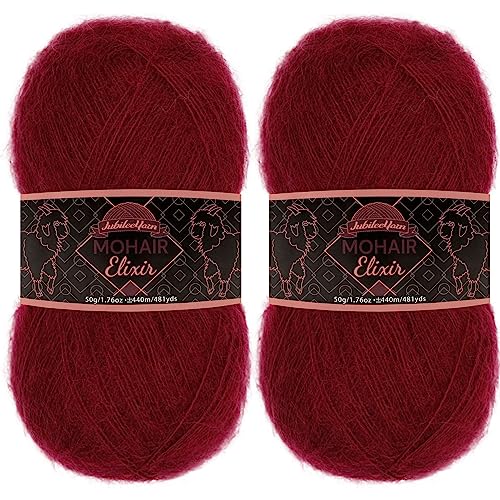
This tool comes with three distinct edges: one for heavy, bulky knits, one for medium-weight fabrics, and a gentle one for fine, delicate fibers. This range is essential because a heavy-duty comb will absolutely shred a fine lace-weight mohair blend.

The real-world benefit here is precision. Because you are the engine, you can feel the resistance of the fabric, allowing you to stop immediately if the comb catches on a stray stitch or a loose ply.
The Laundress Fabric Shaver: Premium Quality

If you prefer a tool that feels like a high-end grooming implement, this option offers a sleek design that prioritizes aesthetics and durability. It’s built with a focus on longevity, which is a welcome change in a market often saturated with disposable plastics.
The construction is robust, and the blade mechanism is engineered to be particularly gentle on natural fibers like cashmere and merino. When you’ve invested in high-end, luxury yarns, you don’t want a cheap, vibrating plastic head snagging your stitches.
However, the premium price tag means you are paying for the build quality rather than just utility. It is an investment piece for the knitter who treats garment care as a ritual rather than a chore.
Philips Fabric Shaver: Best for Rapid Results
When you have a closet full of sweaters that need attention before the season hits, the Philips electric shaver is a workhorse. It features a large shaving head that covers significant surface area, making it ideal for those who knit large-scale garments like oversized cardigans.
The motor is consistently powerful, which prevents the "stuttering" effect you get with cheaper models that lose speed when they encounter a dense patch of pills. Consistent speed is vital because it ensures an even finish across the entire garment.
Just be careful with the pressure. Because it is electric, it’s easy to get complacent and push too hard, which can lead to thinning out the fabric if you aren’t paying attention to the garment’s drape.
Conair Fabric Shaver: Best Budget-Friendly Tool

The Conair is the classic choice for a reason; it is widely available and performs reliably for the price. It’s the perfect entry-level tool for a new knitter who isn’t ready to drop a lot of money on accessories after spending their budget on yarn.
It handles basic acrylics and sturdier wool blends with ease. While it might lack the finesse of higher-end models, it gets the job done for everyday garments that aren’t made from ultra-delicate luxury fibers.
The main tradeoff is noise and battery consumption. It’s a bit louder than premium models and eats through batteries, so keep a stash of spares in your project bag.
D-Fuzz-It Sweater Comb: Best Manual Option
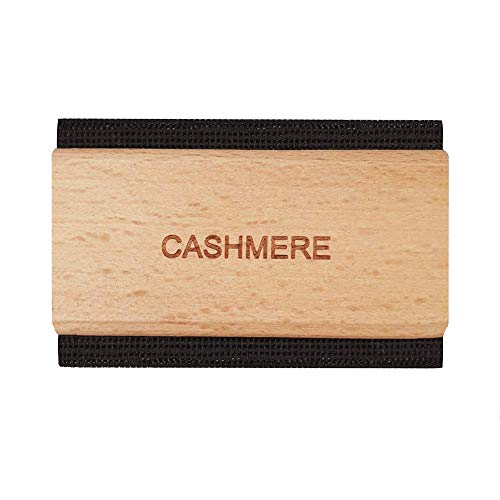
This is the traditionalist’s tool, consisting of a simple, fine-toothed comb that mimics the action of a hairbrush. It is the gentlest way to remove pills because it works by catching the fibers and pulling them away rather than cutting them.
It is particularly excellent for hand-knits that have a lot of "halo," like angora or brushed alpaca. Electric shavers tend to destroy that beautiful, fluffy halo, but a manual comb allows you to groom the surface while keeping the loft intact.
Because it relies on your hand motion, it takes longer than an electric shaver. If you’re looking for a quick fix for a sweater you need to wear in five minutes, this isn’t the right choice.
Houseables Fabric Shaver: Best for Large Areas
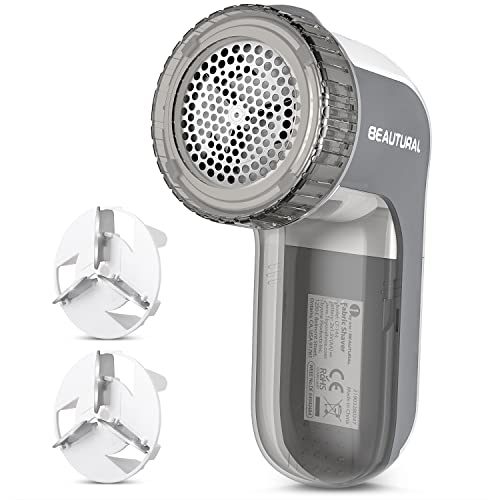
The Houseables model is designed for efficiency, featuring a wider shaving surface that makes short work of blankets, throws, and massive sweaters. If you’ve spent months working on a king-sized afghan, you need a tool that doesn’t require a marathon session to maintain.
The ergonomic handle is a standout feature, reducing wrist fatigue during long grooming sessions. When you’re working on a large surface, the weight of the device matters, and this one feels well-balanced in the hand.
While it excels at speed, it is less maneuverable around tight areas like underarms or ribbed cuffs. Use it for the main body of your garments and switch to a manual tool for the tricky, high-tension sections.
How to Properly De-pill Your Hand-Knit Sweaters
Always lay your garment flat on a hard, stable surface before you begin. If you try to de-pill while the sweater is hanging or draped over your lap, you risk stretching the fabric, which can cause the shaver to cut into the yarn.
Start by testing the shaver on an inconspicuous area, like the inside of the hem or the underarm. This lets you gauge how the tool interacts with your specific gauge and fiber content before you commit to the front of the sweater.
Move in light, circular motions rather than pressing the tool directly into the fabric. Think of it like exfoliating skin; you want to remove the debris on the surface without damaging the healthy, underlying fibers.
Understanding Fabric Shaver Safety for Wool
Wool is a protein fiber that can be surprisingly delicate, especially when it has been processed into a soft, single-ply yarn. Never use a high-powered electric shaver on loosely spun or "singles" yarn, as the blades can easily catch a loose fiber and create a hole.
If your yarn has a significant halo—like mohair or brushed suri alpaca—avoid electric shavers entirely. The mechanical blades will shear off the very fibers that give the garment its warmth and softness, leaving you with a matted, sad-looking piece.
When in doubt, use a sweater stone or a manual comb. It is always better to have a few remaining pills than to accidentally cut through a strand of your hand-knit fabric.
Maintenance Tips for Your Sweater Comb Blades
A dull blade is the enemy of a clean finish. When blades become blunt, they start to pull and tear at the yarn rather than slicing through the pills cleanly, which can lead to further pilling in the long run.
Regularly unscrew the head of your electric shaver to clear out the lint trap. Accumulated fuzz inside the device creates drag on the motor, which slows down the blades and makes the tool less effective.
If you have a manual comb, keep it in a protective sleeve or bag. The fine teeth can bend or snag if they are tossed loose into a notions bag with your circular needles and scissors.
Essential Fiber Care for Long-Lasting Knits
Pilling is a natural byproduct of friction, but you can minimize it by washing your knits inside out in a mesh laundry bag. This reduces the amount of abrasion the surface of the yarn experiences against other clothes or the drum of the washer.
Avoid over-washing your hand-knits. Wool is naturally antimicrobial and often only needs a good airing out to refresh the fibers, which preserves the structural integrity of the stitches and keeps pilling at bay.
Finally, remember that some pilling is inevitable, especially in high-friction areas like the inner thighs of leggings or the underarms of sweaters. Don’t stress too much—a quick, careful grooming session is just part of the lifecycle of a well-loved hand-knit.
Caring for your hand-knits is a natural extension of the love you poured into making them. By selecting the right tool for your specific fiber and technique, you ensure that your projects remain beautiful for years to come. Take your time, work gently, and enjoy the process of restoring your garments. Your wardrobe—and your hard work—will thank you for the extra attention.