6 Best Spinning Bowls For Delicate Fibers To Use
Discover the 6 best spinning bowls for delicate fibers. Learn how these essential tools protect fragile yarn while ensuring smooth, snag-free production.
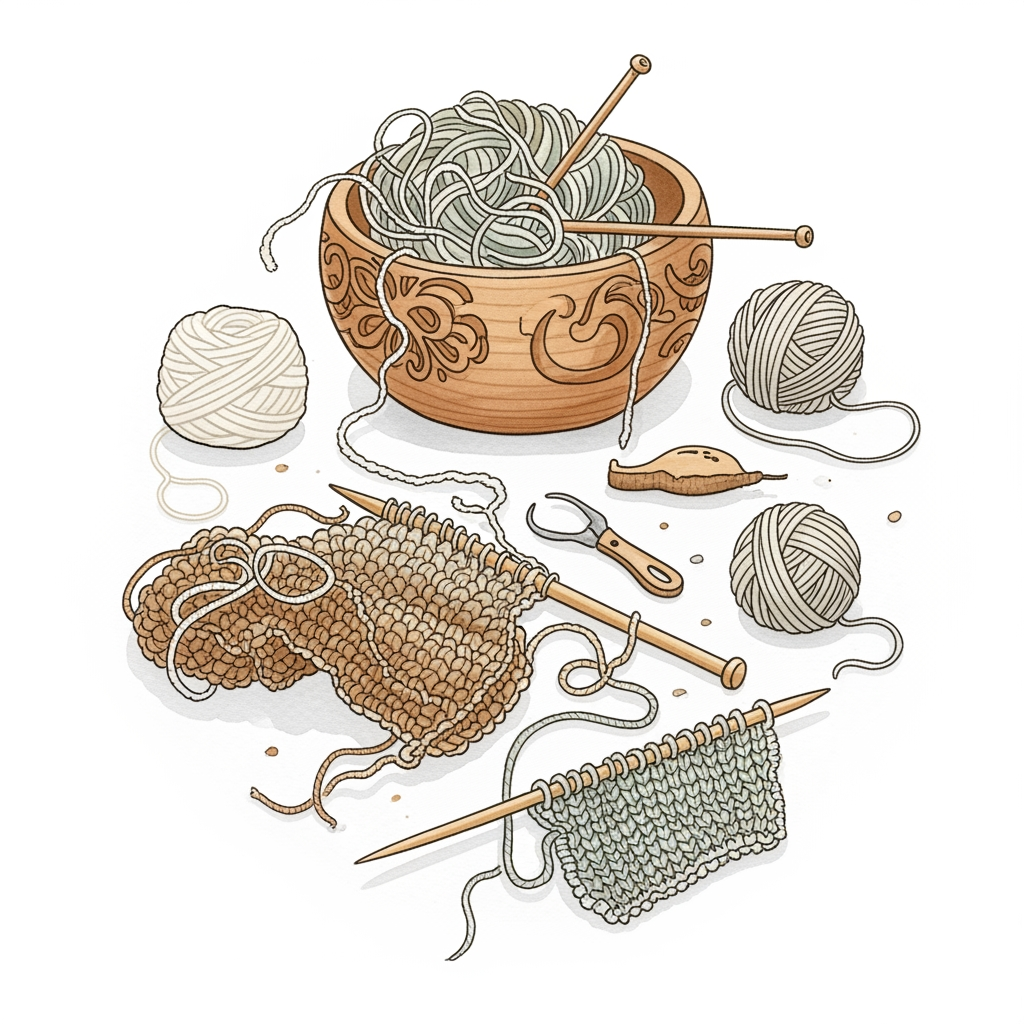
Spinning or knitting with delicate fibers like lace-weight mohair, silk blends, or hand-spun singles requires a gentle touch and a reliable system to keep your yarn clean and tangle-free. A high-quality yarn bowl acts as a silent partner, preventing your precious materials from rolling across the floor or picking up pet hair. By controlling the tension and path of your fiber, you ensure a consistent flow that protects the integrity of your yarn. Choosing the right vessel is as important as selecting the perfect needle for your specific project gauge.
Ceramic Yarn Bowl by Kept Studio for Stability


When you are working with slippery silk or fine alpaca, you need a bowl that refuses to budge. The Kept Studio ceramic bowl offers significant weight, which is the primary defense against the "yarn chase" that happens when your ball rolls off the table.
Because this bowl is heavy, it provides a stable anchor point for your yarn. This is essential when you are working with large cakes of yarn that might otherwise shift and pull as you reach the center.
The trade-off here is portability. While it is excellent for a permanent spot in your knitting nook, it is not the ideal choice for travel or knitting groups.
Nagina International Sheesham Wood Yarn Bowl

Sheesham wood is renowned for its rich, dark grain and durability, making it a classic choice for fiber artists. These bowls are often hand-carved, which means you get a unique piece that feels substantial in your hands.
The primary benefit of wood is its natural warmth and slightly textured surface. This texture provides just enough friction to prevent fine yarns from sliding out of the bowl too quickly, which helps in maintaining even tension.
However, be mindful of the finish. If the wood isn’t sanded to a glass-smooth polish, it can snag delicate, fuzzy fibers like angora. Always run a pair of nylon stockings over the interior to check for any microscopic burrs.
Fiber Artist Supply Co. Maple Wood Yarn Bowl

Maple is a dense, light-colored hardwood that is perfect for those who want a clean, minimalist aesthetic. Fiber Artist Supply Co. focuses on precision, ensuring their yarn guides are smooth and well-shaped.
The advantage of maple is its consistency. Unlike some softer woods, it is less likely to dent or scratch over time, keeping your yarn path clear of potential snags for years.
If you frequently work with dark-colored yarns, a light-colored bowl like this provides excellent visual contrast. This makes it much easier to spot your working yarn against the bowl, reducing eye strain during long sessions.
Yarn Valet Ceramic Bowl for Delicate Fibers
The Yarn Valet approach prioritizes function through a clever, ergonomic design. These ceramic bowls are often shaped to hold your yarn securely while keeping the tension guide at an optimal angle.
For those working with very delicate, high-twist yarns, the shape of the guide is critical. A well-designed ceramic guide minimizes the "drag" that can occur when yarn pulls against a sharp edge.
Ceramic is a non-porous material, which means it won’t absorb oils from your hands or the lanolin from your wool. This makes it a hygienic, long-lasting option for those who knit with high-end, luxury fibers.
Crafty Girl Studios Handmade Pottery Yarn Bowl

Handmade pottery brings a personal touch to your workspace, often featuring deep, spiraled cuts for the yarn to exit. These bowls are usually weighted well, balancing the aesthetic appeal of art with the utility of a tool.
The "spiral" design is a favorite for many because it allows you to swap out yarn balls without having to cut or re-thread your working yarn. This is a massive time-saver when you are working on complex colorwork projects with multiple bobbins.
Because these are handmade, keep an eye on the thickness of the glaze. A thick glaze is wonderful, but ensure the yarn exit point is smooth and rounded to protect fragile, single-ply yarns from abrasion.
Della Q Canvas Yarn Bowl for Secure Spinning

Sometimes the best tool for the job isn’t made of wood or clay at all. The Della Q canvas bowl is a game-changer for those who need a portable, collapsible, and soft-sided solution.
The canvas construction is surprisingly sturdy, and it offers a "soft" landing for your yarn. If you are prone to dropping your tools, this is the safest option to protect both the bowl and your floors.
Since it is fabric-based, it is incredibly lightweight and folds flat for your project bag. It is the perfect companion for spinning or knitting on the go, ensuring your delicate fibers stay protected regardless of your location.
Essential Features for Spinning Delicate Fibers
When selecting a bowl for delicate fibers, look for a deep basin. A deeper bowl prevents the yarn from jumping out as you pull, which is vital for fine-weight yarns that tend to be springy.
The yarn guide should be a "spiral" or a smooth "J" shape. Avoid any bowl where the yarn guide has sharp corners or unfinished edges, as these will inevitably fray your yarn.
- Weight: Heavier is better for stability on a table.
- Surface: Must be snag-free and polished.
- Depth: Deep enough to contain a full cake of yarn.
- Portability: Consider if you need to take your project out of the house.
Why Surface Texture Matters for Fiber Control
The surface of your bowl dictates how your yarn "feeds" into your needles. A highly polished surface allows for a fast, slick feed, which is great for lace knitting where speed is helpful.
However, if you are working with very slippery silk or bamboo yarns, a slightly more matte finish can provide the necessary grip to prevent the yarn from unspooling too fast. You want a controlled release, not a runaway ball.
If your bowl feels too slick, you can occasionally wipe it down with a slightly damp cloth to remove dust, which can actually increase the grip of the fibers. Never use abrasive cleaners, as they will destroy the finish you need to protect your yarn.
Maintaining Your Yarn Bowl for Longer Lifespan
Wood bowls require a little extra love to keep them in top shape. If the wood begins to look dry or dull, a light application of food-grade mineral oil will restore the finish and keep it smooth.

Ceramic bowls are easier to maintain but are susceptible to chips. Always store them on a non-slip mat to prevent accidental slides off your work surface.
If your bowl does develop a small nick or burr, don’t throw it away. A fine-grit sandpaper can smooth out wood, and a little bit of clear nail polish can often seal a tiny chip in a ceramic glaze.
How to Prevent Fiber Snagging During Spinning
Snagging is the enemy of delicate fibers like mohair or silk. Before you start your project, always run your fingers along the inside of the yarn guide to ensure there are no rough spots.
If you find a snag, address it immediately. Using a bit of fine-grit sandpaper or a nail buffer can often smooth out the offending area in seconds.
Keep your yarn bowl clean of debris. Dust, lint, and pet hair inside the bowl can get caught in the fibers as they spin, causing tangles that are difficult to undo. A quick wipe-down before you start a new session is a habit that will save your yarn.
Investing in a quality yarn bowl is an investment in the longevity and quality of your finished hand-knits. Whether you choose the weighted stability of ceramic or the portable convenience of canvas, the goal is always to keep your fiber moving smoothly. By paying attention to the surface texture and the integrity of the yarn guide, you can eliminate the frustration of tangles and snags. Happy knitting, and may your yarn always flow as effortlessly as your creativity.