6 Best Punchcard Punches For Custom Designs
Discover the top 6 punchcard punches for custom designs. This guide evaluates precision, durability, and ease of use to help you perfect your DIY projects.
Designing your own motifs for a punch card knitting machine is one of the most rewarding ways to elevate your craft from simple garments to wearable art. Whether you are creating geometric fair isle patterns or complex texture stitches, the tool you use to punch those cards determines the clarity and success of your design. Choosing the right punch is not just about convenience; it is about ensuring your machine reads every stitch instruction without error. This guide breaks down the best options to help you achieve professional results every time you sit at the carriage.
Brother Original 24-Stitch Punch: Best Overall


The Brother 24-stitch punch is the gold standard for a reason. It is designed specifically to align perfectly with the grid of Brother-compatible blank cards, making the entire process feel like second nature.
When you are mapping out a complex stranded colorwork design, you need a tool that doesn’t skip or tear the card stock. This punch provides a clean, crisp hole that glides through the machine’s reader without hanging up on the delicate sensor fingers.
If you are a beginner, this is the safest investment you can make. It removes the guesswork from the mechanical side of things, allowing you to focus entirely on your color palettes and tension.
Silver Reed Punch Tool: Precision Engineered

Silver Reed machines operate with a slightly different mechanical sensitivity than older models, which is where this tool shines. It is built with a heavy-duty spring mechanism that ensures you punch through the card material in one swift, clean motion.
Many knitters struggle with "chatter" or rough edges when using cheaper, generic punches. This tool eliminates those jagged edges, which is vital because a clean hole ensures the machine’s selector needles move smoothly as the carriage passes.
If you find yourself frequently designing intricate lace or tuck stitch patterns, the precision here is a major asset. It is a workhorse that stands up to the demands of long-form pattern drafting.
Passap Punching Tool: Best for Fine Gauges
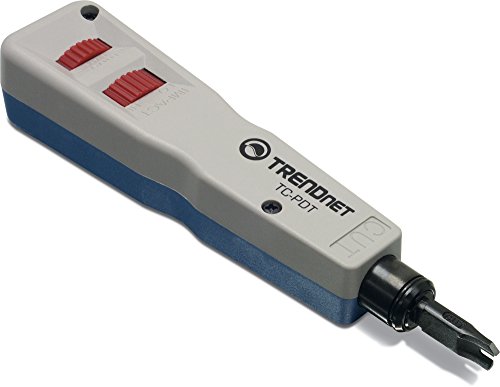
Passap machines are legendary for their precision, and their proprietary punching tools are designed to match that high-tolerance engineering. These are specifically calibrated for the unique cards used in the Passap system, which often require a tighter, cleaner hole than standard Japanese machines.
Using a generic punch on a Passap card is a recipe for frustration, as the machine’s delicate reading mechanism is sensitive to even minor card imperfections. This tool ensures that your custom designs interact with the machine’s complex needle beds exactly as intended.
Because Passap machines are often used for fine-gauge, high-fashion garments, the accuracy of this punch is non-negotiable. It is the best choice for the knitter who demands absolute perfection in their stitch formation.
Knitking Standard Punch: Reliable Performance
The Knitking punch is a reliable, sturdy option that feels substantial in the hand. It is particularly well-suited for knitters who want a tool that doesn’t feel flimsy during long design sessions.
Reliability is the key here; you want a punch that registers the same amount of pressure every single time. If your punch starts to lose its edge, you will end up with "hanging" holes that cause your pattern to skip or stutter mid-row.
This tool is a fantastic middle-ground option for those who want professional results without the premium price tag of some proprietary brand-name tools. It handles standard card stock with ease and provides consistent, reliable feed-through.
Studio Knitting Machine Punch: User Friendly

Studio machines are often favored for their approachable design, and their dedicated punch tool follows suit. It is ergonomically shaped to fit comfortably in the palm, which matters more than you’d think when you are punching out a 60-row repeat.
The alignment guide on this tool is intuitive, making it a favorite for knitters who are new to the world of punch cards. It takes the anxiety out of the process, ensuring you don’t accidentally punch a hole off-center.
While it may not have the heavy-duty industrial feel of other options, it is perfectly calibrated for the hobbyist knitter. It is a user-friendly choice that prioritizes ease of use without sacrificing the quality of the final pattern.
Toyo Industrial Punch: Heavy Duty Durability

If you are a prolific designer who punches hundreds of cards a year, the Toyo Industrial punch is your best friend. It is built to withstand thousands of cycles without losing its sharpness or mechanical alignment.
Industrial tools are designed for longevity, and this punch reflects that in its solid metal construction. It is a heavier tool, which actually helps provide the stability needed to punch through thicker or laminated card stocks.
While it might be overkill for a casual knitter, it is a smart investment for a studio or a serious designer. If you are tired of your punches dulling after a few months of heavy use, this is the upgrade you need.
How to Properly Align Your Pattern Punch Cards
Alignment is the single most important factor in preventing machine jams. Always ensure your card is perfectly square against the punch guide before applying pressure.
- Check the margins: Use the pre-printed grid on the card as your guide, not just the edge of the paper.
- Secure the card: Use small clips or tape to hold the card steady if your punch tool doesn’t have a built-in guide.
- Test on scrap: Always punch a test row on a scrap piece of card stock before committing to your final design.
Taking these extra ten seconds to align the card correctly will save you hours of troubleshooting later. A slightly misaligned hole can cause the machine to select the wrong needles, leading to disastrous pattern errors.
Essential Tips for Punching Custom Designs
When creating your own designs, always keep the machine’s repeat limit in mind—usually 24 stitches. You must ensure your design flows seamlessly from the last stitch of the repeat back to the first.
- Avoid large floats: If your design has more than 5 or 6 stitches of a single color, your yarn floats will be too long and prone to catching.
- Test your tension: Remember that punch cards only tell the machine which needles to select; your gauge still depends on your tension dial and yarn weight.
- Mark your rows: Use a pencil to number your rows on the side of the card so you can track your progress as you knit.
Don’t be afraid to experiment with negative space in your punch card. Sometimes, the most striking designs are the ones that use fewer punched holes rather than more.
Maintaining Your Punch Tool for Clean Holes
Even the best punch will eventually collect debris or lose its sharpness. Regularly clear out the "chads"—the tiny paper circles—that accumulate in the base of the punch.
If you notice your punch is starting to tear the paper rather than cutting it, it is time to sharpen or replace the punch head. A dull punch is the fastest way to ruin a perfectly designed card.
Keep the moving parts lightly lubricated with a drop of machine oil, but be careful to wipe away any excess. You never want oil transferring from your punch tool onto your precious yarn.
Troubleshooting Common Punch Card Feed Issues
If your card is getting stuck in the machine, the first culprit is usually a "hanging" hole. Check the back of your card for any paper chads that didn’t fully detach during the punching process.
If the card is feeding unevenly, check the tension of the card reader gate on your machine. Sometimes, the card stock itself is too thick or too thin for the machine’s specific feed mechanism.
Finally, if the pattern looks garbled, double-check that you haven’t accidentally punched a hole in the "sensor" track of the card. A single stray hole in the wrong place can confuse the machine’s internal logic and result in a chaotic, unintended pattern.
Mastering the punch card is a journey that blends mechanical precision with creative vision. By choosing a high-quality tool and maintaining it with care, you ensure that your design process remains a joy rather than a chore. Take your time with your initial layouts, keep your card edges clean, and don’t be afraid to experiment with new motifs. With the right equipment in hand, your knitting machine becomes a limitless canvas for your own unique style.