6 Best Tapestry Needles For Thick Fibers To Try
Struggling with thick fibers? Discover our top 6 tapestry needles designed for heavy yarns, ensuring smooth stitching and durable results for every project.
Finishing a chunky knit project is a triumphant moment, but choosing the wrong needle can turn that final weaving step into a frustrating ordeal. When working with thick, multi-ply yarns, the standard needles found in bargain kits often fail to glide or hold the thread securely. Selecting the right tool is just as vital as choosing the correct knitting needles for your gauge. Here are the top picks to ensure your ends are secured with professional precision.
Clover Chibi Bent Tip Needles: Best Overall Choice


The bent tip on these needles is a game-changer for anyone who has struggled to find a path through tight stitches. By angling the tip, you can easily slide under loops without splitting the yarn fibers or snagging your work.
These are my go-to for bulky sweaters where you need to weave ends into dense, braided cables. The slight curve allows the needle to act as a lever, lifting the yarn strand just enough to pass through without distorting the fabric’s surface.
While the plastic can show wear over time, their versatility is unmatched for most heavy-weight projects. If you prioritize ease of entry over long-term durability, these are your best bet.
Bohin Extra Large Eye Needles: Best for Durability
If you are working with thick, high-twist wools, you need a needle that won’t bend or snap under pressure. Bohin needles are crafted with a high-quality finish that resists oxidation, meaning they stay smooth even after years of use.
The extra-large eye is specifically designed to accommodate thick, lofty yarns without fraying them during the threading process. Many knitters find that cheaper needles have burrs inside the eye that catch on delicate fibers; Bohin avoids this entirely with a polished, seamless construction.
These are an investment piece for your notions bag. They are ideal for the knitter who wants a reliable, lifelong tool that handles everything from bulky roving to heavy cotton cord.
Dritz Yarn Darner Needles: Best Budget Selection
You don’t always need a premium tool to get a professional finish, especially if you tend to lose your needles frequently. These darners are a staple in most local yarn shops because they are functional, accessible, and get the job done.
The long, straight shaft is perfect for weaving in ends across a wide expanse of stockinette stitch. Because they are inexpensive, you can keep a few in every project bag without worrying about the cost of misplacing them.
Keep in mind that the finish is not as slick as high-end brands, so they may feel a bit "draggy" on sticky mohair or high-friction wool. They remain the best choice for the budget-conscious maker who wants a no-nonsense tool.
Pony Plastic Tapestry Needles: Best for Beginners

When you are first learning to weave in ends, you want a needle that is lightweight and easy to handle. Pony plastic needles are flexible and gentle on the hands, which is helpful if you are still developing your manual dexterity.

The blunt tip is designed to be very forgiving, preventing you from accidentally piercing your yarn strands. This reduces the frustration of having to undo your work because you split a stitch while trying to hide a tail.
These are excellent for teaching children or beginners who might be intimidated by sharp metal tips. They are a low-risk entry point that helps you master the mechanics of finishing before upgrading to metal tools.
Tulip Tapestry Needles with Case: Best Premium Pick
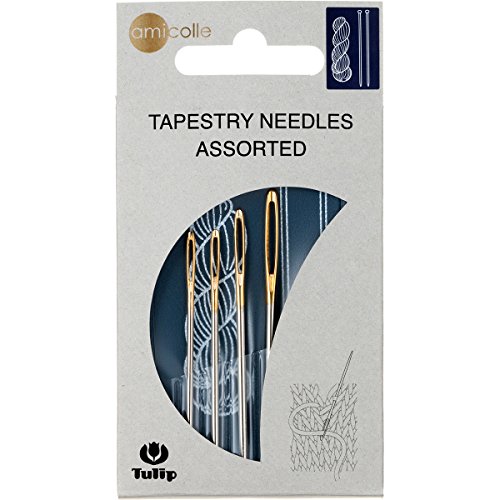
Tulip is renowned for their meticulous manufacturing process, and their tapestry needles are no exception. They feature a unique, polished surface that glides through even the stickiest, most fibrous wools with zero resistance.
The case they come in is a thoughtful addition, keeping your needles organized and preventing them from sliding into the abyss of your sofa cushions. The needles themselves feel balanced and substantial in the hand, which makes the tedious task of finishing feel like a luxury experience.
If you have sensitive hands or struggle with arthritis, the smoothness of these needles can reduce the physical strain of weaving. They are the ultimate treat for your knitting kit.
Susan Bates Finishing Needles: Best for Bulk Use
Sometimes you have a massive stash of ends to weave in after finishing a complex colorwork blanket. Susan Bates needles are designed for efficiency, often sold in packs that ensure you always have a spare on hand.
They offer a classic, utilitarian design that is widely compatible with most yarn weights. While they lack the premium polish of more expensive brands, they are consistent and reliable for high-volume finishing work.
These are the "workhorses" of the knitting world. Choose these if you are a production knitter who needs a dependable needle that can handle a high volume of ends without hesitation.
How to Select Tapestry Needles for Chunky Yarns
Selecting the right needle is about matching the tool’s size to the yarn’s weight. A needle that is too thin will leave your ends loose, while one that is too thick will stretch your stitches and create unsightly gaps in your fabric.
- Eye Size: Ensure the eye is large enough to hold the yarn without having to squash it flat, which can cause fraying.
- Tip Shape: Choose blunt tips for knit fabrics to avoid splitting, or slightly pointed tips if you are working with dense, felted material.
- Length: A longer needle is often better for thick yarns because it allows you to weave through more stitches in a single pass.
Always perform a "test weave" on a swatch if you are unsure. The perfect needle should pass through your stitches with minimal friction but enough resistance to feel secure.
Metal vs Plastic Needles: Choosing Your Material
Metal needles are preferred by most experienced knitters because they are thinner relative to their strength. This allows them to navigate tight, dense gauge projects much more effectively than their plastic counterparts.
Plastic needles, however, are excellent for very thick, bulky yarns where the needle size needs to be quite large. They are lightweight and won’t weigh down your project while you are weaving, which is helpful for heavy, oversized garments.

Consider the "stickiness" of your yarn. Slick metal needles work best with high-friction wools, while plastic can sometimes provide just enough grip to keep a slippery acrylic or silk yarn from sliding out of your weave.
Why Bent Tip Needles Improve Your Finishing Work
The bent tip is not just a gimmick; it is a functional design that mimics the curve of a crochet hook. This curve allows you to pick up stitches from the back of your work without having to maneuver your wrist at awkward angles.
Using a straight needle requires you to lift the fabric significantly to get the tip back out, which can distort your tension. A bent tip allows you to "scoop" the yarn through the stitches, keeping your fabric flat and undisturbed.
This is particularly helpful for those with limited mobility in their hands or wrists. Adopting a bent tip needle can significantly reduce the time and effort required to finish a heavy, bulky project.
Proper Care and Storage for Your Finishing Tools
Treat your tapestry needles like any other fine tool to ensure they last for years. Keep them dry to prevent oxidation, especially with metal needles, and store them in a dedicated case or needle minder.
If you notice a burr on a metal needle, you can gently buff it out with a fine-grit emery board or a piece of high-grit sandpaper. Never force a needle through a stitch if it feels stuck, as this can bend the metal or break the tip.
A well-maintained set of needles is a sign of a thoughtful maker. By keeping your tools clean and stored properly, you ensure they are ready to perform whenever you finish your next masterpiece.
Finding the right tapestry needle is a small but critical step in elevating your knitting from a hobby to a craft. By paying attention to the material, tip shape, and eye size, you can make the finishing process as enjoyable as the knitting itself. Experiment with these options to discover which tool feels like an extension of your own hand. Happy weaving, and may your ends always stay securely tucked away.