7 Best Silk Weaving Yarns For Luxury Scarf Projects
Discover the seven finest silk yarns for luxury scarves. This guide evaluates luster, drape, and texture to help you select the perfect fiber for your project.
Weaving with silk is a transformative experience that elevates a simple scarf into a true heirloom piece. Whether you are a seasoned weaver or just beginning your journey at the loom, selecting the right yarn is the most critical step in ensuring your project drapes beautifully. This guide breaks down the best silk options available to help you achieve professional results with every warp and weft. Understanding the unique personality of these fibers will turn your next project into a masterclass in texture and sheen.
Treenway Silks: The Gold Standard for Weaving
Treenway Silks has earned its reputation by offering an unparalleled range of silk varieties, from bombyx to tussah. For the weaver, this means you aren’t just buying silk; you are selecting a specific luster and hand that dictates the final personality of your scarf.
The standout feature here is the consistency of their spin. When you are tensioning a warp, you need a thread that won’t snap under pressure or create uneven tension across the reed. Treenway’s meticulous quality control minimizes those frustrating knots and weak spots that can derail a project.
If you are looking for that classic, high-sheen elegance, their bombyx offerings are the gold standard. Just remember that high-sheen silks are less forgiving of uneven beat; if your rhythm isn’t steady, the light will catch those inconsistencies.
Habu Textiles Silk Stainless: Best for Structure
Habu Textiles is famous for pushing boundaries, and their Silk Stainless yarn is a revelation for weavers who want their scarves to hold a specific shape. By wrapping a fine silk thread around a stainless steel core, they have created a fiber that acts like a memory wire.
This is not your traditional soft, drapey scarf yarn. Instead, it is a structural element that allows you to sculpt your fabric. If you want a scarf that holds a dramatic, architectural fold or stands away from the neck, this is your go-to material.
The tradeoff is that it can be unforgiving to work with. The steel core doesn’t stretch, so you must be precise with your tensioning during warping. It is a bold choice for modern, avant-garde designs that prioritize form over traditional softness.
Jagger Spun Zephyr: The Ideal Wool-Silk Blend
Mixing silk with fine merino wool, Jagger Spun’s Zephyr is the perfect entry point for those intimidated by 100% pure silk. The wool provides a subtle "grip" that makes the yarn much easier to manage on the loom, while the silk adds that signature glow.
This blend is exceptionally versatile because it behaves well in both the warp and the weft. If you are a beginner who finds pure silk too slippery to handle, Zephyr will feel like a breath of fresh air. It stays where you put it, reducing the likelihood of tangled warp ends.
Because it contains wool, it also possesses a natural elasticity that pure silk lacks. This makes it more forgiving when you are adjusting your tension, as the fiber has a bit of "give" before it reaches its breaking point.
Handmaiden Fine Yarn: Best for Color Depth


Handmaiden Fine Yarn excels at creating complex, hand-dyed colorways that look like paintings on a loom. When you weave with their silk, you aren’t just creating a texture; you are creating a canvas of shifting, saturated hues.
The depth of color comes from their artisanal dyeing process, which often leaves subtle variations in the tone of the yarn. These variations are a feature, not a bug—they add a sense of movement and organic life to your finished scarf that solid-colored yarns simply cannot replicate.
Be aware that with such intense color saturation, you should always test for colorfastness if you plan on wet-finishing your scarf with high-heat methods. Always use a gentle wool wash and cool water to preserve the vibrancy of these beautiful dyes.
Mulberry Silk by Aurora: Luxury Texture Choice
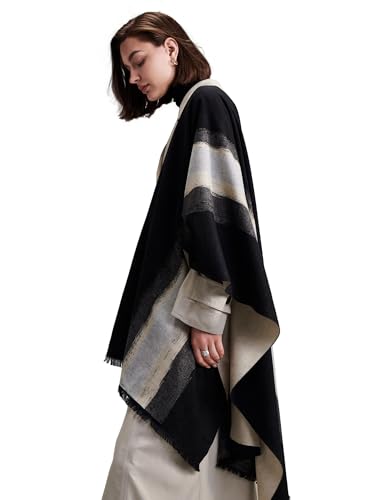
Mulberry silk is the highest quality silk available, and Aurora’s version showcases the fiber’s natural softness and strength. This is the yarn you choose when you want the finished scarf to feel like liquid gold against the skin.
The texture is incredibly smooth, which makes it a dream to handle during the weaving process. However, that same smoothness means it can be slippery on the loom. You will want to ensure your warp is properly tensioned and secured to prevent it from shifting while you work.
This yarn shines in simple, classic weaves like plain weave or twill, where the fiber itself is allowed to take center stage. Don’t overcomplicate your draft; let the luxury of the mulberry silk speak for itself.
Lunatic Fringe Yarns: Best for Rigid Heddle
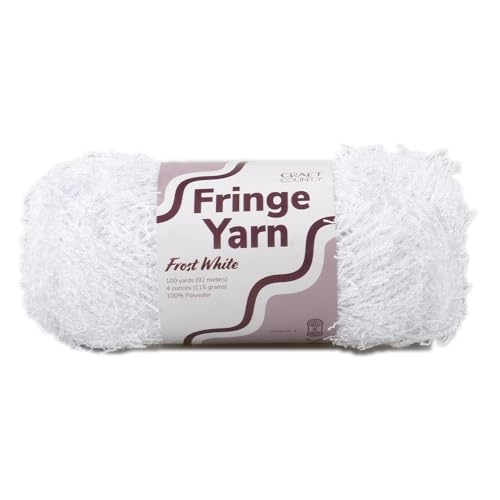
Lunatic Fringe Yarns are specifically curated for the rigid heddle weaver, making them an excellent choice for those who want to avoid the complexities of a floor loom. Their yarns are designed to be sturdy enough for the rigors of a rigid heddle while remaining elegant enough for fine scarves.
The "Dutta" line, in particular, is a favorite for its durability and ease of use. It has just enough friction to stay in the heddle without slipping, which is a common headache for beginners using slicker, high-end silks.
If you are just starting your journey into silk weaving, start here. You get the benefits of a professional fiber without the technical frustration of managing a fiber that is too slippery for your equipment.
Valley Yarns 2/10 Silk: Best Value for Projects

If you are looking to weave a large-scale project or a series of gifts without breaking the bank, Valley Yarns 2/10 silk is the workhorse of the weaving world. It offers a very high yardage-to-price ratio without sacrificing the essential qualities of silk.
The 2/10 size is a fantastic "middle ground" weight. It is fine enough to create a delicate fabric but substantial enough to be warped without needing the patience of a saint. It is the perfect yarn for practicing new techniques or refining your beat.
While it may not have the artisanal flair of a hand-dyed boutique yarn, it is incredibly consistent. In weaving, consistency is often more valuable than luxury, especially when you are trying to master the mechanics of your loom.
How to Calculate Silk Warp and Weft Requirements
Calculating your requirements starts with your desired finished dimensions and your loom’s waste factor. Always account for loom waste—the 15 to 25 inches of warp that cannot be woven—as this is often forgotten by beginners.
- Shrinkage: Silk can shrink significantly during the wet-finishing process. Always add 10-15% to your length to account for this draw-in.
- Take-up: As you weave, the warp thread travels over and under the weft, which uses more length than a flat measurement suggests. Add another 10% for take-up.
- WPI (Wraps Per Inch): Use this to determine your sett. If your silk is fine, you will need a higher sett to create a solid fabric; if you want a lace-like drape, space your ends further apart.
When in doubt, always over-calculate. It is far better to have a small amount of silk left over for fringe or tassels than to run out of warp three inches from the end of your scarf.
Essential Tips for Handling Slippery Silk Yarns
Silk is notorious for being "slippery," which can lead to uneven edges and shifting warps. To combat this, use a tensioning weight or a heavy lease stick to keep your warp threads organized and under constant, even pressure.
If you find your warp threads are sliding out of the reed, try using a slightly wider reed or a different denting pattern. You can also use a light starch spray on your warp threads before they go onto the loom to provide a temporary "grip" that washes out later.
Finally, keep your hands clean and dry. Silk fibers can snag on the tiniest rough patch of skin or hangnail, which will cause the fiber to fray. A little bit of hand cream applied well before you sit down to weave—and allowed to fully absorb—can save your yarn from unwanted snags.
Caring for Your Finished Handwoven Silk Scarves
Your finished scarf is a piece of art, and it deserves careful maintenance. Always hand wash your silk in cool water using a pH-neutral silk-specific detergent. Never use harsh soaps or bleach, as these will strip the natural proteins and destroy the sheen.
When drying, never wring or twist the fabric, as this can break the delicate silk fibers. Instead, lay the scarf flat on a clean, white towel and roll it up like a sleeping bag to gently press out the excess water.
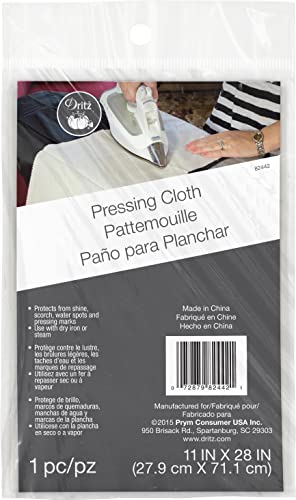
Finally, store your scarves away from direct sunlight, which can fade even the best-dyed silks over time. If you need to iron your scarf, do so while it is still slightly damp, using a low-heat setting and a pressing cloth to protect the fibers from direct contact with the iron.
Weaving with silk is a rewarding challenge that pays dividends in the form of exquisite, long-lasting textiles. By choosing the right yarn for your skill level and understanding the technical requirements of the fiber, you can move from simple projects to complex, professional-grade scarves. Remember that every weaver develops their own rhythm and preference, so don’t be afraid to experiment with these different silk types. Your loom is a tool for expression, and with the right silk, your creativity will truly shine through.