6 Best Fabric Garment Bags For Scarf Storage Reviewed
Protect your collection with our top 6 fabric garment bag picks. We review the best breathable, durable options to keep your scarves organized and snag-free.
Your hand-knitted scarves represent dozens of hours of careful tension control, complex cable work, or delicate lace blocking. Storing these heirloom pieces in plastic bins is a recipe for trapped moisture and felted disasters. Investing in high-quality fabric garment bags ensures your fiber art remains in pristine condition for years to come. Here are the best fabric storage solutions to protect your hard-won stitch work.
Whitmor Breathable Garment Bags: Best Overall Pick
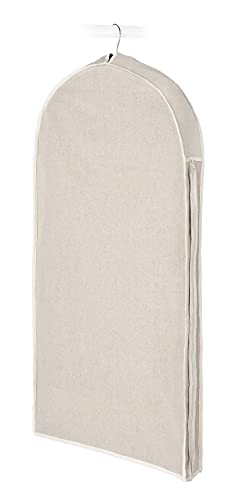

The Whitmor bags strike a perfect balance between structural integrity and airflow. As a knitter, I appreciate that these bags aren’t overly stiff, which prevents them from crushing the loft of your wool or alpaca fibers.
These bags feature a lightweight, non-woven fabric that allows the air to circulate freely. This is critical for preventing the "stale" smell that can develop when natural fibers are sealed away for the summer months.
The design is straightforward and avoids unnecessary bulk. It’s an ideal choice if you have a variety of scarf weights, from heavy, worsted-weight cowls to delicate, fingering-weight lace wraps.
Household Essentials Cotton Bag: Best Breathable

If you’ve invested in high-end, untreated wool or luxury fibers like cashmere, cotton is your best friend. Synthetic bags can sometimes trap static electricity, which attracts dust and lint to your delicate stitches.
Cotton is naturally breathable and incredibly gentle against the surface of your yarn. Unlike some synthetics, it won’t react negatively with protein fibers over long-term storage.
The trade-off here is that cotton is more porous, meaning it offers less protection against dust if your storage closet is particularly dry or debris-prone. However, for the health of your fiber, this level of breathability is generally superior.
StorageWorks Hanging Bag: Best for Large Collections

For those of us with a "scarf-a-week" habit, storage space becomes a premium commodity. This hanging bag design allows you to stack multiple scarves vertically without compressing the stitches.
The reinforced shelving inside these units provides a dedicated spot for each piece. This prevents the "bottom-of-the-pile" scarf from becoming flattened or distorted by the weight of the items above it.
Just be sure to rotate your collection periodically. Even when hanging, gravity can exert subtle pressure on long, heavy scarves, so re-folding them every few months is a smart habit to adopt.
Richards Homewares Canvas Bag: Best Heavy Duty Pick

Canvas is the gold standard for durability in textile storage. If you are storing heavy, cabled wool scarves that have significant weight, a flimsy bag will simply tear or lose its shape.
This bag provides a sturdy, structured environment that protects your work from being snagged by other items in your closet. I often recommend this for people who store their winter gear in high-traffic areas.
While it is robust, remember that canvas is thicker than non-woven fabric. Ensure your scarves are completely dry after a final wash and block before placing them inside to avoid any residual moisture issues.
Misslo Clear Window Garment Bag: Best for Visibility

We’ve all experienced the frustration of digging through five bags to find that one specific brioche-stitch scarf. The clear window on the Misslo bag solves this without exposing your yarn to direct UV light.
The window is made of a reinforced plastic that is offset from the fabric, meaning it doesn’t touch your yarn directly. This is a clever design choice that keeps your fiber safe from potential plastic-related degradation.
It is a fantastic option for organizing your collection by season or fiber content. Being able to see your work also encourages you to actually wear your knits rather than letting them hide away in the dark.
Zober Durable Fabric Garment Bag: Best Value Choice
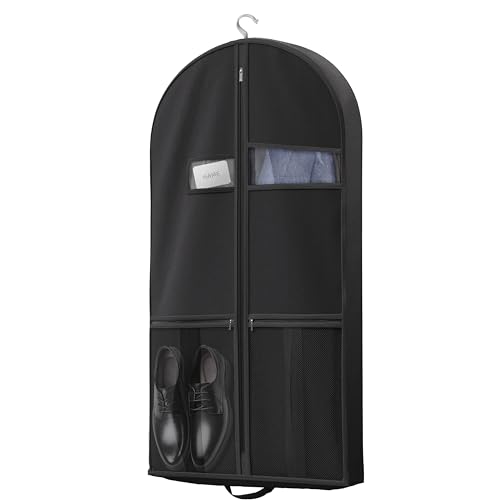
If you are looking to protect a large stash of scarves on a budget, the Zober bags offer reliable protection without the premium price tag. They are made from a high-quality, breathable fabric that is surprisingly resilient.
These bags are perfect for the knitter who wants a uniform look in their closet. Consistency in storage is helpful because it makes it easier to track which items have been cleaned and treated for moths.
They aren’t as heavy-duty as the canvas options, but they are more than sufficient for standard scarf storage. They provide the essential "breathable barrier" that is the primary goal for any fiber storage project.
Why Fabric Bags Protect Your Hand-Knitted Scarves
Natural fibers like wool, alpaca, and silk are living materials that need to breathe. When you seal them in plastic, you trap humidity, which creates the perfect breeding ground for mold and mildew.
Fabric bags allow for air exchange, which keeps the fibers "alive" and prevents them from becoming brittle. If your scarf has been recently blocked, a fabric bag ensures any remaining moisture can evaporate safely.
Furthermore, fabric bags provide a physical barrier against dust and household pests. Dust particles can settle into the ply of your yarn and act like tiny abrasives, slowly wearing down the fibers over time.
How to Properly Fold Scarves to Prevent Stretching
Even when using the best storage bags, improper folding can ruin your hard work. Never hang a hand-knitted scarf on a thin wire hanger, as the weight will cause the stitches to sag and distort.
Instead, fold your scarves loosely and lay them flat or roll them gently. If you must use a hanging bag, drape the scarf over a thick, padded hanger to distribute the weight across a wider surface area.
For heavy, long scarves, rolling is often better than folding. This prevents sharp creases from forming, which can be difficult to remove even with aggressive re-blocking.
Preventing Moth Damage With Natural Fiber Storage
Moths aren’t attracted to the yarn itself, but to the oils and skin cells left behind after we wear our scarves. Always wash your hand-knits before long-term storage to remove these attractants.
Once cleaned, ensure your storage bag is tightly closed to prevent entry. I often place a small sachet of cedar or lavender inside the bag as a secondary deterrent, but never let the oils touch the yarn directly.
Regular inspection is your best defense. Every few months, take your scarves out, give them a gentle shake, and inspect them for any signs of webbing or small holes.
Essential Tips for Long-Term Scarf Preservation
- Clean before storage: Never put a scarf away with perfume, sweat, or food particles on it.
- Avoid sunlight: Store bags in a dark place to prevent the fading of natural dyes, especially in hand-dyed yarns.
- Rotate your stock: Don’t let the same scarf sit at the bottom of the pile for years; move them around periodically.
- Label your bags: Use tags to note the fiber content and the date of the last wash to keep your collection organized.
Protecting your hand-knitted scarves is the final, crucial step of the creative process. By choosing the right fabric garment bag, you extend the life of your work and ensure your stitches remain as beautiful as the day you cast off. Treat your fiber art with the respect it deserves, and it will keep you warm for decades to come. Happy knitting, and may your storage be as organized as your tension.