7 Best Spinning Books For Technique Development
Master your craft with these 7 essential spinning books. Discover expert techniques, fiber preparation tips, and methods to elevate your yarn consistency.
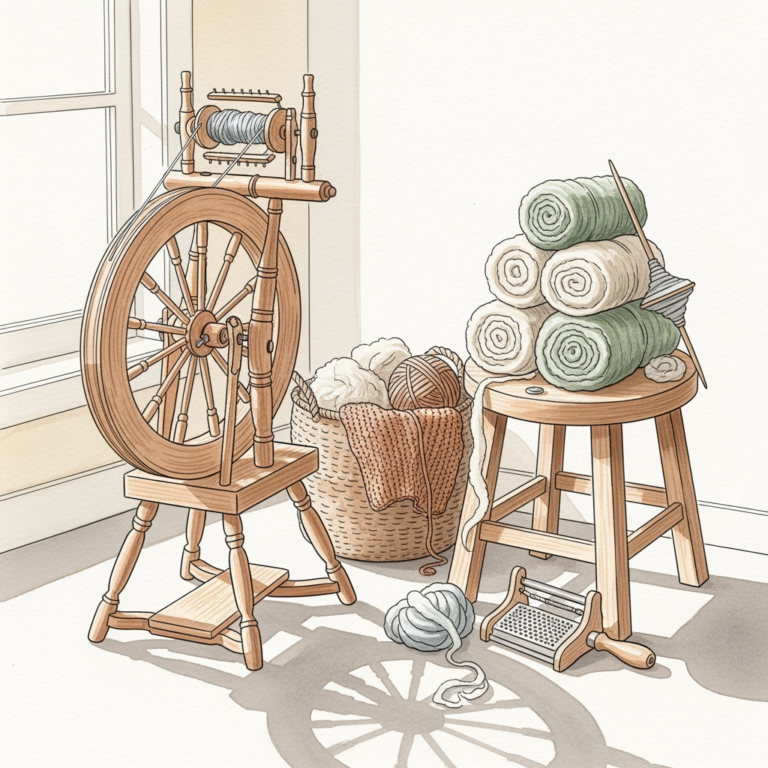
Mastering the art of handspinning is the ultimate way to gain total control over the fabric you create. By transforming raw fiber into custom yarn, you unlock possibilities for gauge, texture, and drape that store-bought skeins simply cannot match. Whether you are aiming for a consistent worsted weight or an ethereal lace-weight singles, the right reference material is essential for refining your technique. These seven books serve as the foundational library for any spinner looking to elevate their craft from hobbyist experimentation to professional-grade precision.
The Intentional Spinner by Judith MacKenzie


Judith MacKenzie approaches spinning not just as a mechanical process, but as a deliberate act of design. This book is vital because it shifts your mindset from simply "making yarn" to "engineering yarn" for specific knitting projects.
Instead of spinning whatever comes off the wheel, MacKenzie teaches you how to manipulate fiber preparation and drafting techniques to achieve a desired outcome. If you have ever struggled with a sweater that pills or a lace project that lacks stitch definition, this book explains how to adjust your twist and ply to prevent those issues.
The true value here lies in the focus on fiber structure. Understanding the relationship between staple length and spin mechanics is the secret to consistent results. Take this book to heart if you want your handspun to look like a intentional choice rather than a happy accident.
Respect the Spindle by Abby Franquemont
Don’t let the simplicity of a drop spindle fool you; it is the most honest tool in a spinner’s kit. Abby Franquemont demystifies the spindle, proving that you don’t need a thousand-dollar wheel to produce exquisite, high-quality yarn.
This book is perfect for the knitter who wants to understand the physics of twist without the distraction of treadles and bobbins. By starting with a spindle, you learn to feel the fiber’s pull and tension in your fingers, which is a skill that translates directly to wheel spinning later.
The takeaway is simple: master the spindle, and you master the fiber. It is an essential read for anyone who wants to spin on the go or understand the fundamental "why" behind every twist.
Spin to Knit by Shannon Okey and Sarah Anderson
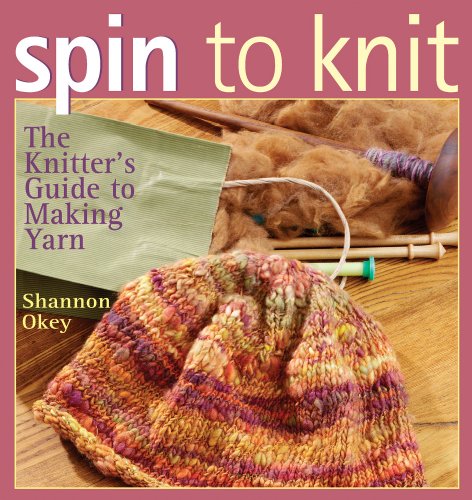
Most spinning books stop at the bobbin, but Spin to Knit bridges the gap between the wheel and the needles. It is written specifically for knitters who are tired of guessing how their handspun will behave once it’s worked into a garment.
The authors provide excellent guidance on how to calculate yardage and predict how a specific spin will bloom after washing. If you are worried about your handspun yarn distorting your gauge or twisting your fabric, this is your primary reference.
Match your spin to your pattern stitch. Use this book to learn how to choose the right fiber preparation—like woolen vs. worsted—to ensure your finished sweater doesn’t end up too heavy or too fragile.
The Alden Amos Big Book of Handspinning
Think of this as the "encyclopedia" of the spinning world. It is dense, technical, and absolutely indispensable for those who want to understand the mechanics of their equipment and the history of the craft.
Amos doesn’t shy away from the nitty-gritty details of how wheels work and how to troubleshoot mechanical issues. If you are the type of knitter who wants to know exactly why a needle tip is shaped a certain way, you will appreciate the deep dive into spinning hardware.
It is not a light read, but it is the definitive authority on the craft. Keep this on your shelf as a long-term reference for when you encounter complex fiber challenges.
Hands On Spinning by Lee Raven

Lee Raven’s approach is incredibly practical, making it a fantastic starting point for absolute beginners. She breaks down the intimidating process of drafting and treadling into small, manageable steps that won’t overwhelm a new spinner.
The book excels at explaining how to manage fiber intake so you don’t end up with "lumpy-bumpy" yarn. If you’ve ever felt frustrated by your yarn breaking or your twist distribution being uneven, Raven’s clear instructions will help you find your rhythm.
Consistency is built through repetition and proper hand position. This book provides the best drills to train your muscle memory, ensuring your yarn becomes uniform over time.
The Field Guide to Fleece by Deborah Robson

You cannot be a great spinner if you don’t understand the raw material. Deborah Robson’s book is a visual and tactile guide that helps you identify which fleece is best for which project.
Knitting with handspun is a lesson in fiber selection; a bouncy Merino behaves entirely differently than a sturdy Border Leicester. This book teaches you how to evaluate crimp, luster, and grease so you can buy raw fleece with confidence.
Never start a project with the wrong fiber. Use this guide to determine if your chosen fleece will produce the soft drape you want for a shawl or the long-wearing durability required for a pair of socks.
Start Spinning by Maggie Casey
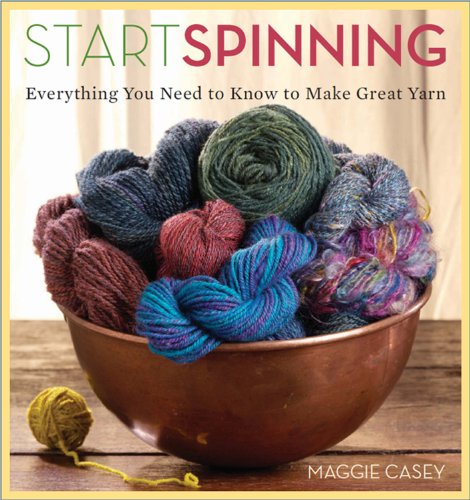
Maggie Casey is the teacher you wish you had in your local yarn store. Her instructions are clear, encouraging, and focused on the "beginner mistakes" that everyone makes but few people talk about.
She covers the basics of wheel mechanics, drafting, and plying with a focus on ease and efficiency. If you are struggling with a wheel that feels like it’s fighting you, her advice on posture and tension will be a game-changer.
Focus on relaxing your grip. Tension in your hands leads to tension in your yarn, which results in a stiff, uncomfortable fabric. Follow Casey’s advice to keep your hands loose and your yarn consistent.
Essential Tools for Every Aspiring Handspinner
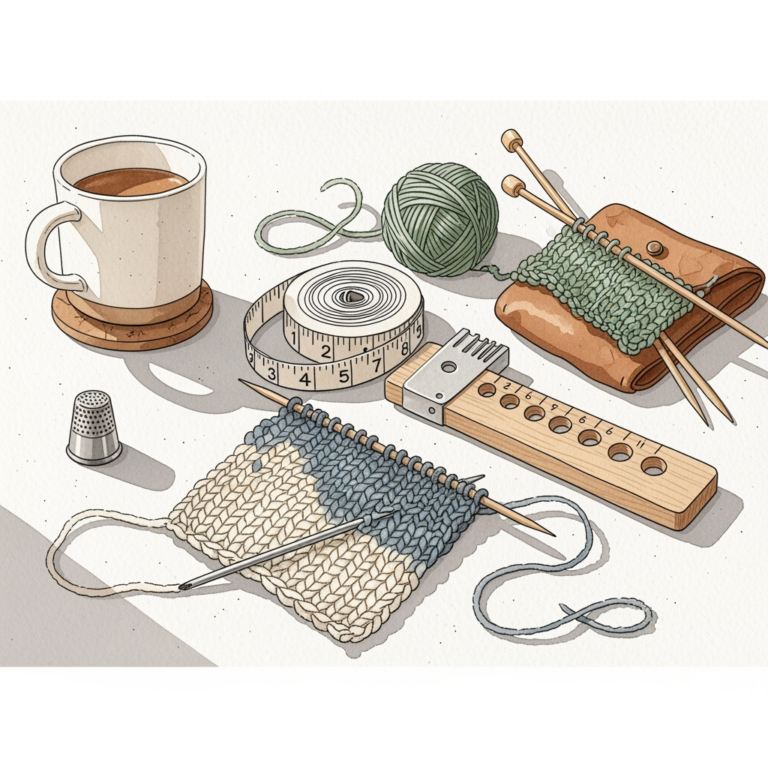
While the wheel or spindle is the star, your supporting tools are what make the process sustainable. You will need a reliable way to measure your yarn, such as a niddy-noddy for measuring yardage and a WPI (wraps per inch) tool to verify your gauge.
- Wool combs or hand cards: Essential for aligning fibers before spinning.
- A lazy kate: Keeps your bobbins steady during the plying process.
- A kitchen scale: Crucial for weighing your fiber and finished yarn to calculate yardage.
Don’t over-invest in gadgets early on. Focus on the tools that help you measure and manage your fiber, as these are the ones that directly impact the quality of your finished handspun yarn.
How to Select the Best Fiber for Your Project
Selecting fiber is just as important as selecting the right needle size for your knitting. If you are spinning for a baby garment, you need high-crimp, soft-staple wools like fine Merino or Rambouillet.
For a sweater that needs to withstand years of wear, look for long-staple, resilient fibers like Corriedale or Bluefaced Leicester. The "hand" of the yarn—how it feels against your skin—is determined by the fiber’s diameter, measured in microns.
- Fine/Soft (18-22 microns): Best for next-to-skin items like cowls and hats.
- Medium (23-30 microns): Ideal for sweaters and durable accessories.
- Coarse (30+ microns): Perfect for rugs, bags, and outerwear.
Always consider the end use before you buy your fleece. A beautiful, soft fiber might pill instantly if used for a high-friction item like a pair of socks.
Troubleshooting Common Handspinning Challenges
If your yarn is constantly snapping, you are likely drafting too thin before the twist has a chance to set. Try slowing down your wheel and increasing your fiber intake until you find that "sweet spot" of tension.
If your plying results in a "barber-pole" effect or uneven twist, ensure that you are keeping your bobbins under even tension. A common mistake is letting the singles twist back on themselves; always keep your tension consistent to avoid a lopsided ply.
When in doubt, stop and check your WPI. If your yarn is getting too thick, you are likely rushing; if it’s too thin, you may be over-drafting. Take a breath, reset your hands, and focus on the rhythm of the wheel rather than the speed.
Spinning is a journey of constant refinement, where every skein you produce teaches you something new about the structure of your knitting. By utilizing these resources, you move past the basics and into a deeper understanding of fiber, twist, and tension. Remember that even the most experienced spinners have days where the fiber won’t cooperate, so be patient with your progress. With practice and the right guidance, you will soon be creating custom yarns that make your knitting projects truly one-of-a-kind.