6 Best Apron Clips For Securing Fabric Layers Reviewed
Struggling with shifting fabric? We review the 6 best apron clips to keep layers secure, ensuring precision and ease for every sewing or crafting project.
Whether you are stabilizing a thick wool felt for a structured bag or aligning slippery silk linings for a hand-knit garment, traditional pins often fall short. They leave permanent holes in delicate fibers and struggle to maintain a firm grip on multi-layered projects. Sewing clips have become an essential tool in my studio, offering a superior way to hold fabric layers without compromising the integrity of your work. Here are the six best options for securing your fabric layers with precision and ease.
Clover Wonder Clips: Best Overall for Quilting
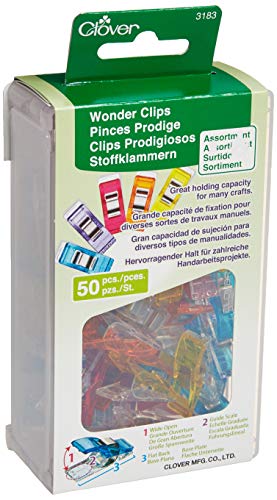

Clover Wonder Clips are the gold standard for a reason, and they are the first thing I reach for when working with heavy-weight fabrics. Their flat base allows them to slide easily across a sewing machine bed, preventing the fabric from bunching up as you feed it through the needle.
The tension on these clips is remarkably consistent, meaning they won’t snap open unexpectedly while you’re mid-stitch. I find them particularly useful when joining thick seams, such as when attaching a knitted cuff to a woven sleeve.
Because they are made of high-quality plastic, they don’t snag or pull at delicate yarn fibers. If you are a quilter or a garment maker who values reliability above all else, these are the best investment for your sewing kit.
Dritz Sewing Clips: Best Value for Bulk Use
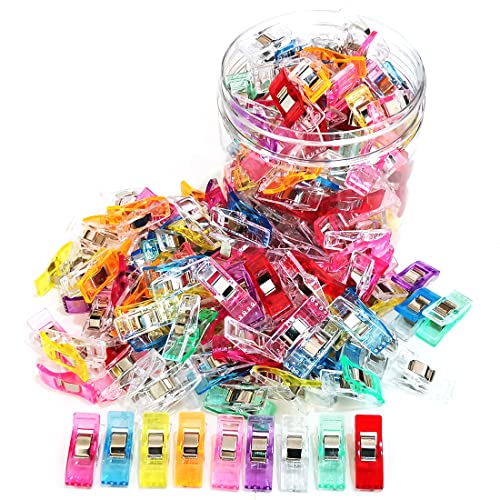
If you are working on a large-scale project—like a quilt or a heavy winter coat—you will inevitably need more clips than you think. Dritz offers a fantastic bulk-buying option that provides the same functionality as premium brands without the high price tag.
These clips are sturdy enough to handle multiple layers of denim or wool coating. While they might lack the refined finish of more expensive alternatives, they perform the core task of holding fabric together perfectly well.
I recommend keeping a large jar of these on your workstation. Having a high volume of clips on hand means you can secure an entire hem before you even touch your machine, which is a massive time-saver.
Singer Multi-Purpose Clips: Best for Heavy Fabric

When you are working with upholstery-weight fabrics or heavy canvas, standard clips might struggle to keep the layers from shifting. Singer’s multi-purpose clips are designed with a stronger spring mechanism specifically for these high-tension scenarios.
The grip on these is quite firm, which is exactly what you need when working with stiff materials that want to "spring" back into their original shape. They are also slightly larger, providing more surface area to hold thick stacks of fabric securely.
Be cautious when using these on lighter, more delicate fabrics, as the extra tension could leave temporary indentations. For heavy-duty projects, however, they are an absolute necessity.
Taylor Seville Magic Clips: Best Grip Design
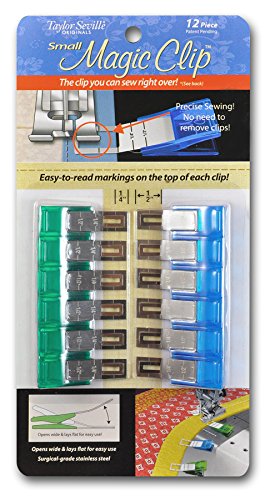
The standout feature of the Taylor Seville Magic Clips is the soft, rubberized coating on the grip areas. This provides a non-slip texture that makes them incredibly easy to handle, even if your hands are tired after a long day of knitting or sewing.
The design is ergonomic, fitting comfortably between your thumb and forefinger. This is a subtle detail, but for anyone with arthritis or hand fatigue, it makes a significant difference during long sessions.
They also open wider than many competitors, allowing you to secure bulky seams or thick batting with ease. They are a premium choice, but the comfort and grip quality make them worth the extra cost.
Hemline Wonder Clips: Best for Precise Alignment
Hemline clips are designed for those who need to see exactly where their seam line is while the fabric is clipped. Their transparent construction allows for better visibility, which is crucial when you are aligning patterns or matching up complex seams.
These clips are lightweight and don’t add unnecessary bulk to your project. This is especially important when you are maneuvering large pieces of fabric through the throat of your sewing machine.
I often use these when I am doing fine-tuning work, such as aligning lace edges or delicate trim. They offer the perfect balance between holding power and surgical precision.
Wawak Assorted Sewing Clips: Best Variety Pack
Not every project requires the same size or style of clip, and Wawak’s variety pack is the perfect solution for the well-stocked studio. It includes a range of sizes, allowing you to choose the right tool for everything from thin silk to heavy wool.
Having a variety of sizes is particularly helpful when you are working on garments with complex curves and varied seam thicknesses. You can use the smaller clips for tight corners and the larger ones for long, straight runs.
This pack is an excellent way to figure out which style of clip you prefer before committing to a larger set of one brand. It is a highly practical, low-risk purchase for any maker.
Why Clips Are Better Than Pins for Thick Layers
If you have ever tried to pin through several layers of thick wool or canvas, you know the frustration of bending a pin or pricking your finger. Clips eliminate this risk entirely, keeping your fingers safe and your fabric pristine.
Pins also tend to create "gaps" between layers because they only secure the fabric at a single point. Clips provide a wider, more even pressure across the seam, which prevents the layers from shifting as you stitch.
For knitting-related projects, such as sewing a lining into a hand-knit bag, clips are essential. Pins can easily snag a yarn strand, leading to a permanent pull or a dropped stitch; clips simply glide over the surface.
How to Choose the Right Clip Size for Your Project
Choosing the right clip comes down to the thickness of your material and the amount of "spring" in the fabric. A thin fabric requires a light-tension clip, while a heavy-duty material demands a stronger spring.
- Small clips: Best for delicate fabrics, tight curves, and precision work.
- Medium clips: The "all-rounder" for most garment sewing and quilting.
- Large clips: Essential for heavy-weight fabrics, thick batting, or multi-layered upholstery.
Always consider the "bite" of the clip as well. If you are working with a fabric that marks easily, look for clips with a smoother, flatter interior surface to avoid unwanted texture.
Essential Tips for Securing Slippery Fabrics
Slippery fabrics like silk, rayon, or synthetic blends are notoriously difficult to manage. When using clips on these materials, I suggest pairing them with a bit of painter’s tape or a temporary basting stitch to keep the layers from sliding apart.
Clips are great, but they can slide off if the fabric is too slick. Use a higher density of clips along the seam to ensure that every inch of the fabric is held firmly in place.
If you are combining a knit with a slippery woven, always clip the knit side slightly tauter. This helps prevent the woven fabric from puckering as the feed dogs move it through the machine.
Frequently Asked Questions About Sewing Clips
Do sewing clips replace pins entirely? Not entirely. Pins are still superior for holding fabric on a dress form or for very intricate draping where clips would be too heavy.
Can I use clips on delicate fibers like mohair or angora? Yes, but be very gentle. Ensure the clip is clean of any rough plastic burrs, and don’t leave them clamped for too long, as they can compress the loft of the fibers.
Are these clips dishwasher safe? Most high-quality sewing clips are made of durable plastic and can handle a rinse, but I recommend hand-washing them to preserve the tension of the metal spring.
Investing in a quality set of sewing clips will fundamentally change the way you approach multi-layered projects. By choosing the right tool for your specific fabric weight and project needs, you can ensure your work remains aligned, professional, and free of accidental snags. Take the time to experiment with these options, and you will find that your sewing process becomes significantly more efficient and enjoyable. Happy making!