6 Best Swivel Clips For Keeping Track Of Rows
Struggling to track knitting rows? Discover the 6 best swivel clips that secure your place effortlessly, ensuring accuracy and efficiency in every project.
Keeping track of your rows is the difference between a perfectly symmetrical sweater and a frustrating night of frogging your hard work. Whether you are working on a complex cable repeat or a simple stockinette blanket, the right swivel clip acts as a reliable anchor for your progress. These small tools prevent the dreaded "lost count" scenario that plagues even the most experienced makers. Finding the right marker is about balancing visibility, ease of use, and how they interact with your specific yarn choice.
Cocoknits Colorful Steel Stitch Markers


These markers are a staple for a reason, offering a sleek, minimalist design that won’t snag your yarn. Because they are made of steel, they have a satisfying weight that helps them hang straight down, preventing the twisting that often occurs with cheaper plastic alternatives.
The vibrant colors are more than just an aesthetic choice; they allow you to color-code your project. If you are working on a multi-part lace shawl, you can use one color for the lace repeat and another for the border, keeping your mind clear of mental clutter.
The main trade-off here is that they are not "locking" in the traditional sense, meaning they are best suited for marking stitches on the needle rather than in the fabric itself. For a knitter working with delicate lace-weight mohair, these are ideal because they don’t have moving parts that can catch on fine fibers.
Clover Locking Stitch Markers for Rows

Clover’s locking markers are the industry standard for a reason, functioning much like a tiny safety pin. They are indispensable when you need to mark a specific row in the middle of a piece of fabric, such as when you are measuring the length of a sleeve before starting the cuff decreases.
The plastic is smooth and rounded, which is a massive benefit when you are working with high-twist yarns that tend to snag on sharp edges. However, they can be a bit tricky to open if you have arthritis or struggle with fine motor tasks.
If you find yourself frequently losing track of your row count, these are the best tools to keep pinned to your work. Just be careful not to pull them too hard, as the plastic hinge can fatigue over time if you are constantly opening and closing them.
Dritz Knitting Notions Swivel Markers

Dritz markers offer a straightforward, no-nonsense approach to row tracking. They are lightweight and unobtrusive, making them perfect for long, marathon knitting sessions where you don’t want to feel the weight of your accessories pulling on your stitches.
These are particularly useful for beginners who are still getting used to the feel of their needles and yarn. Because they are so simple, they don’t distract from the actual process of knitting, allowing you to focus on your tension and stitch consistency.
The downside is that they lack the "premium" feel of metal markers, and the plastic can sometimes feel a bit brittle. If you are a tight knitter, be mindful, as the plastic can occasionally catch on the yarn if the seam isn’t perfectly flush.
KnitPicks Locking Stitch Marker Set

This set is a fantastic value for those who tend to lose their tools in the couch cushions. They provide a variety of sizes and shapes, which is helpful when you are switching between different yarn weights, from chunky wools to delicate fingering weight.
The locking mechanism is secure, meaning you won’t have to worry about the marker popping off mid-row. This is a game-changer when you are working on a complex colorwork project where losing your place could mean hours of corrective work.
Because the set includes so many, you can afford to leave them in your work for long periods without needing to hunt for more. If you are prone to misplacing your tools, having a large, consistent supply is often better than having one "perfect" marker.
Susan Bates Crystalites Swivel Clips
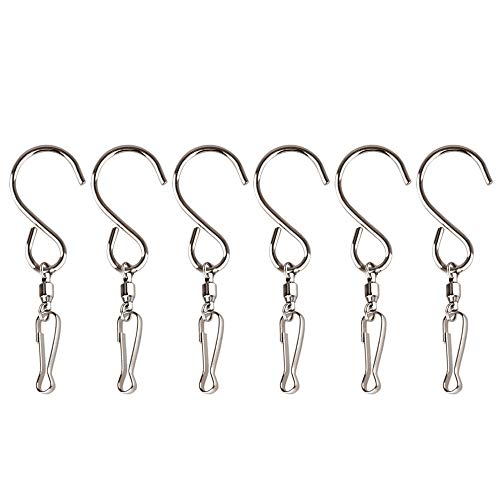
The Crystalites are known for their smooth, translucent finish, which makes them very easy to see against dark, saturated yarns. When you are knitting with black or navy wool, finding a standard grey or silver marker can be a chore, but these pop visually.
Their swivel design allows them to move freely with the fabric, which prevents them from pulling on the stitch they are attached to. This is crucial when working with soft, lofty yarns like alpaca or cashmere that can easily become distorted by heavy, rigid markers.
Keep in mind that the material is slightly more prone to static than metal. If you are knitting in a very dry climate or using synthetic fibers, you might find them clinging to your yarn more than you’d like.
Tulip Etimo Row Counter Swivel Clips
Tulip is synonymous with high-quality ergonomic design, and their row counter clips are no exception. These are designed for the serious maker who values precision and wants a tool that feels as good as it performs.
The swivel action is incredibly smooth, ensuring that the clip doesn’t torque your fabric as you turn your work at the end of a row. If you are working on a large garment that requires constant turning, this small feature prevents unnecessary stress on your stitches.
They are an investment piece, certainly, but for a knitter who spends hundreds of hours on a single project, the comfort is worth the price. They are the "luxury" option that actually delivers on its promise of a better knitting experience.
Why Swivel Clips Improve Your Row Counting
Swivel clips are superior to static markers because they allow the fabric to drape naturally without being forced into an awkward position. When a marker is fixed, it can create a localized tension point, which might show up as a tiny hole or a stretched stitch in your finished garment.
By allowing the marker to rotate, you ensure that the weight of the marker is distributed evenly across the stitch. This is especially important when you are working on delicate projects like socks or lace, where stitch uniformity is the hallmark of professional-looking work.
Think of it as a "hinge" for your progress tracking. It lets you keep your place without interrupting the natural flow of your knitting rhythm, allowing you to maintain consistent tension throughout the entire row.
Choosing the Best Material for Stitch Markers
Material choice is often overlooked, but it dictates how the marker interacts with your yarn. Metal markers, like those from Cocoknits, are durable and have a nice "click" when they hit the needle, which can be helpful for rhythmic knitters.
Plastic markers are generally gentler on delicate fibers and are less likely to leave permanent marks on soft, high-loft yarns like mohair or angora. If you are working with a sticky, rustic wool, plastic is often the safer bet to avoid snagging.
Always consider the weight of the material in relation to your yarn. A heavy metal marker on a very thin, fragile lace yarn can actually distort the stitch over time, so choose your weight as carefully as you choose your needle material.
How to Attach Markers Without Splitting Yarn
The secret to attaching a marker without splitting your yarn is to always aim for the "crotch" of the stitch, right where it meets the needle. Never force the clip through the middle of the plies, as this will inevitably cause a snag or a split that is difficult to fix later.
If you are using a locking marker, close it gently and ensure the tip is fully seated in the locking mechanism. If you feel resistance, stop and reposition; forcing it is almost always a recipe for damage.
For those with limited visibility, try using a contrasting color marker against your yarn. If you are working with a light-colored yarn, use a dark marker, and vice-versa; this makes the attachment point much easier to identify at a glance.
Troubleshooting Common Stitch Marker Issues
If your markers are constantly falling off, check the tension of the locking mechanism. Over time, plastic clips can lose their "snap," and a quick check before you start a row can save you from finding a marker on the floor later.
If you find that your markers are snagging, check for small burrs on the edges of the plastic or metal. A tiny bit of fine-grit sandpaper can smooth out a rough edge on a plastic marker, extending its life significantly.

Finally, if you are struggling with markers feeling heavy or bulky, try switching to a smaller size. Sometimes the "one size fits all" approach doesn’t work for every project, and having a range of sizes in your notions bag is the best way to ensure you are always prepared.
Investing in quality swivel clips is a simple way to elevate your knitting practice and protect your hard work. By choosing the right material and style for your specific project, you eliminate unnecessary stress and keep your focus where it belongs: on the stitches. Remember that the best tool is the one that disappears into your routine, allowing your creativity to shine through. Happy knitting, and may your row counts always be accurate.