6 Best Compression Bags For Long Term Fiber Storage
Preserve your yarn and fabric with these six top-rated compression bags. Learn how to protect delicate fibers from moisture, dust, and pests during storage.
Every knitter eventually faces the "stash overflow" dilemma, where precious hanks of hand-dyed wool start competing for space with your actual living area. While compression bags seem like a miracle cure for bulky sweater quantities, they require a careful hand to avoid damaging delicate fibers. Choosing the right storage solution involves balancing space efficiency with the long-term health of your yarn. This guide will help you navigate the best options to keep your stash safe, accessible, and ready for your next cast-on.
Space Bag Vacuum Seal Bags: Best Overall Choice


These bags are the industry standard for a reason, offering a reliable airtight seal that keeps dust, moisture, and pests at bay. For a knitter with a massive stockpile of acrylic or sturdy wool blends, the sheer volume reduction is transformative.
The thick, multi-layer plastic provides a robust barrier against the elements. If you’ve ever had a moth infestation in your yarn closet, you know that peace of mind is worth the price of admission.
However, be wary of the "vacuum effect." If you suck every molecule of air out, you risk crushing the loft of high-quality wool, which can make it harder to achieve an even gauge later. Use these for stable, non-delicate fibers and leave a little air in the bag to prevent permanent fiber compaction.
Ziploc Flexible Totes: Best Budget Option

If you aren’t ready to invest in heavy-duty vacuum systems, these flexible totes are a fantastic middle ground. They don’t require a vacuum cleaner, which makes them perfect for stashing yarn in a craft room closet where space is tight.
The material is softer than rigid vacuum bags, meaning they conform better to the irregular shapes of yarn cakes and hanks. They are excellent for organizing by project or color, allowing you to grab exactly what you need without unpacking your entire collection.
The trade-off is the lack of a true airtight vacuum seal. While they keep dust off your yarn, they won’t stop a determined moth from finding a way in. Use these for quick-access storage rather than long-term archival preservation.
StorageLAB Vacuum Storage Bags: Best Durability
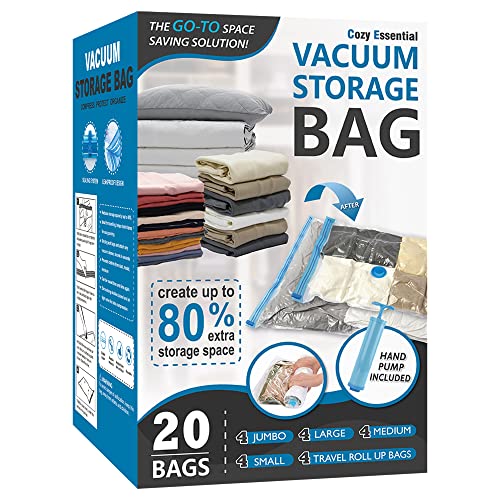
Durability is the name of the game when you are storing heavy, bulky wools like bulky-weight Peruvian highland or thick, rustic rovings. These bags are designed to withstand the pressure of being stacked in a garage or under a bed.
The reinforced double-zip seal is significantly more reliable than standard grocery-store options. When you’re storing precious, expensive hand-dyed yarns that you spent months collecting, you need to know the seal won’t pop open after a few months.
Because they are so sturdy, they are less likely to puncture. A small hole in a cheaper bag ruins the vacuum, but these hold their integrity through multiple moves and reorganizations. Invest in these if you plan on storing your stash for years at a time.
IKEA SKUBB Storage Case: Best Breathable Pick
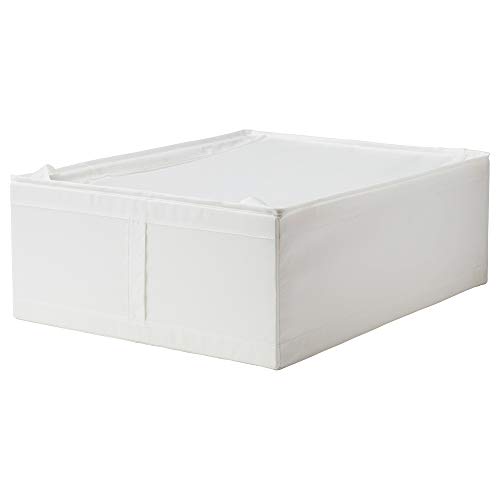
Sometimes, "airtight" is actually the enemy of natural fibers. If you live in a humid climate, trapping moisture inside a vacuum bag can lead to musty odors or even mildew on delicate animal fibers like alpaca or mohair.
The SKUBB series offers a breathable fabric construction that allows your yarn to "breathe" while still keeping it organized and dust-free. It is an excellent choice for high-end fibers that need air circulation to maintain their natural oils and loft.
They aren’t compression bags, so they won’t save you massive amounts of space. Instead, they provide a structured, clean home for your stash. Choose these for your most luxurious, moisture-sensitive fibers.
Packmate Travel Compression Bags: Best Portable
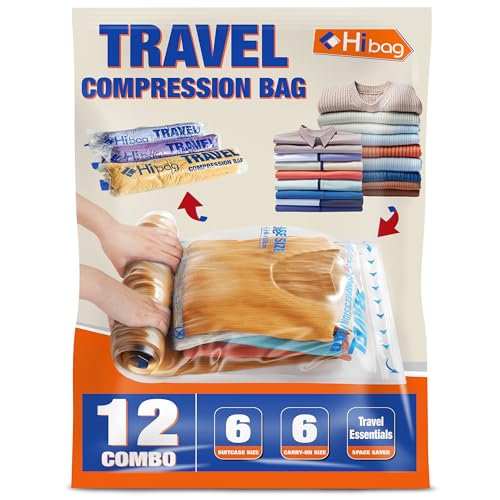
If you are a knitter who travels with a project stash or needs to move yarn between a home studio and a knitting group, these are indispensable. They are lightweight and don’t require a vacuum, relying instead on a roll-and-press mechanism.
They are perfect for compressing a few sweater quantities of yarn to fit into a suitcase. Because they are smaller, you don’t have to worry about the "all-or-nothing" storage issues of massive vacuum bags.
They are not meant for multi-year storage, as the seals can wear out with frequent use. Use these for seasonal rotation or for keeping your current works-in-progress clean while you’re on the move.
Amazon Basics Vacuum Seal Bags: Best Value Set

This set is the workhorse of the stash-organizing world, offering a variety of sizes that accommodate everything from a single skein of sock yarn to a massive pile of bulky sweater quantities. They are simple, functional, and get the job done without any fuss.
The value lies in the sheer number of bags you get, which allows you to categorize your stash by weight or project type. I recommend labeling the bags with a sharpie so you don’t have to open them to see what’s inside.
They are prone to the same compression risks as other vacuum bags, so use them wisely. Use these for your "workhorse" yarns—the superwash wools and blends that can handle a bit of pressure without losing their character.
Why Fiber Content Matters for Long Term Storage
Not all yarn is created equal, and your storage strategy should reflect the fiber’s individual needs. Natural fibers like wool, alpaca, and silk are organic materials that react differently to environment and pressure.
- Superwash Wool: Generally sturdy, but can stretch if stored improperly.
- Non-Superwash Wool: Highly susceptible to moths and moisture; needs airtight protection.
- Plant Fibers (Cotton/Linen): Less prone to moths but can be heavy and prone to mildew if trapped in damp, airtight conditions.
- Synthetic Blends: Extremely resilient to compression and pests, making them the safest candidates for vacuum sealing.
Always consider the "memory" of the fiber. A bouncy, high-twist wool will recover from compression better than a soft, single-ply roving, which might look permanently flattened if left too long.
How to Prevent Moth Damage in Stashed Yarn
Moths are the sworn enemy of every serious knitter, and they have an uncanny ability to find the most expensive cashmere in your collection. Airtight storage is your first line of defense, but it isn’t a silver bullet.
Before you put any yarn into long-term storage, ensure it is spotlessly clean. Moths are attracted to the oils, sweat, and skin cells left behind after we handle our yarn, so even a "clean" skein can be a target.
Consider using natural deterrents like cedar blocks or lavender sachets inside your storage containers. Never store yarn in cardboard boxes, as the glue and the paper itself can attract pests and absorb moisture.
The Dangers of Over-Compressing Natural Fibers
We all love the idea of turning a mountain of yarn into a flat, manageable brick, but there is a real cost to over-compression. Natural fibers have a structural "loft" that is essential for the drape and warmth of your finished garment.
When you squeeze the air out of a wool skein for years, you are forcing the scales of the fiber to lock together in a flattened state. When you finally pull it out to knit, you might find that the yarn feels "dead" or lacks its original bounce, which can lead to a flat, lifeless fabric.
If you must use vacuum bags, only compress the yarn to about 75% of its volume. This provides enough space saving to be useful without permanently altering the integrity of the fiber.
Essential Tips for Organizing Your Fiber Stash
The best storage system is one you actually use. If your stash is hidden away in a way that makes it impossible to see what you have, you’ll end up buying duplicates or forgetting about that beautiful skein you saved for a special project.
- Label everything: Use tags or write on the outside of the bag to note the fiber content, yardage, and dye lot.
- Group by project: If you have a sweater plan, keep all the yarn for that project in one bag.
- Visibility: Use clear bags whenever possible so you can see your beautiful colors without digging.
- Rotation: Once a year, take your yarn out, let it breathe, and check for any signs of pest activity or moisture.
Treat your stash like a library, not a junk drawer. If you take the time to organize it thoughtfully, you’ll find that you actually enjoy the process of "shopping" your own shelves when it’s time to start a new project.
Managing a fiber stash is a balancing act between protecting your investment and keeping your creative tools accessible. By choosing the right storage method for your specific fiber types, you ensure that your yarn remains in prime condition for years to come. Remember that a little bit of air and a lot of organization go a long way in maintaining the integrity of your collection. Happy knitting, and may your stash always be a source of inspiration rather than stress.