7 Best Cedar Moth Repellents For Yarn Stashes
Protect your precious yarn with our top 7 cedar moth repellents. Discover effective, natural ways to keep your fiber collection safe from pesky infestations.
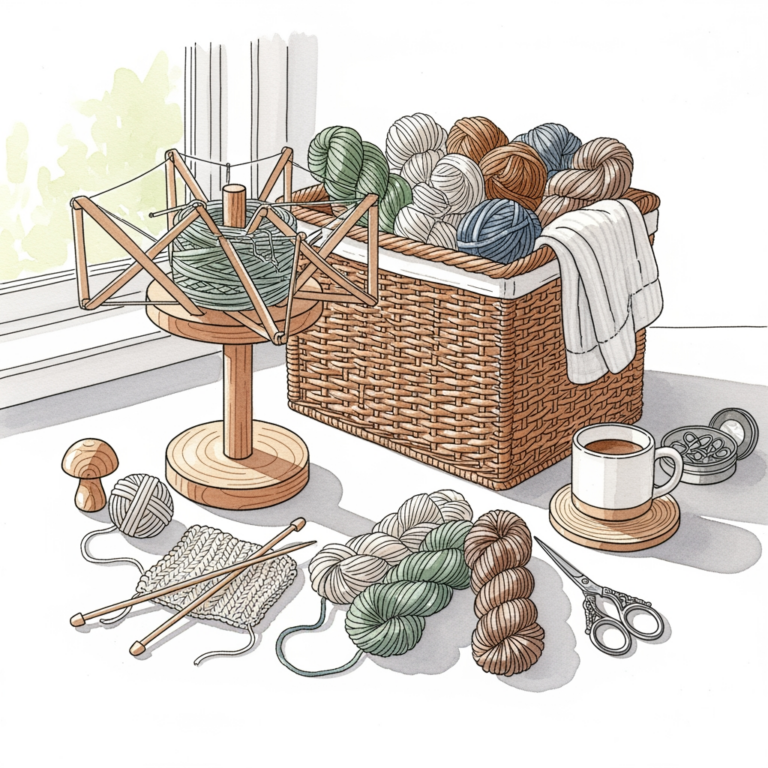
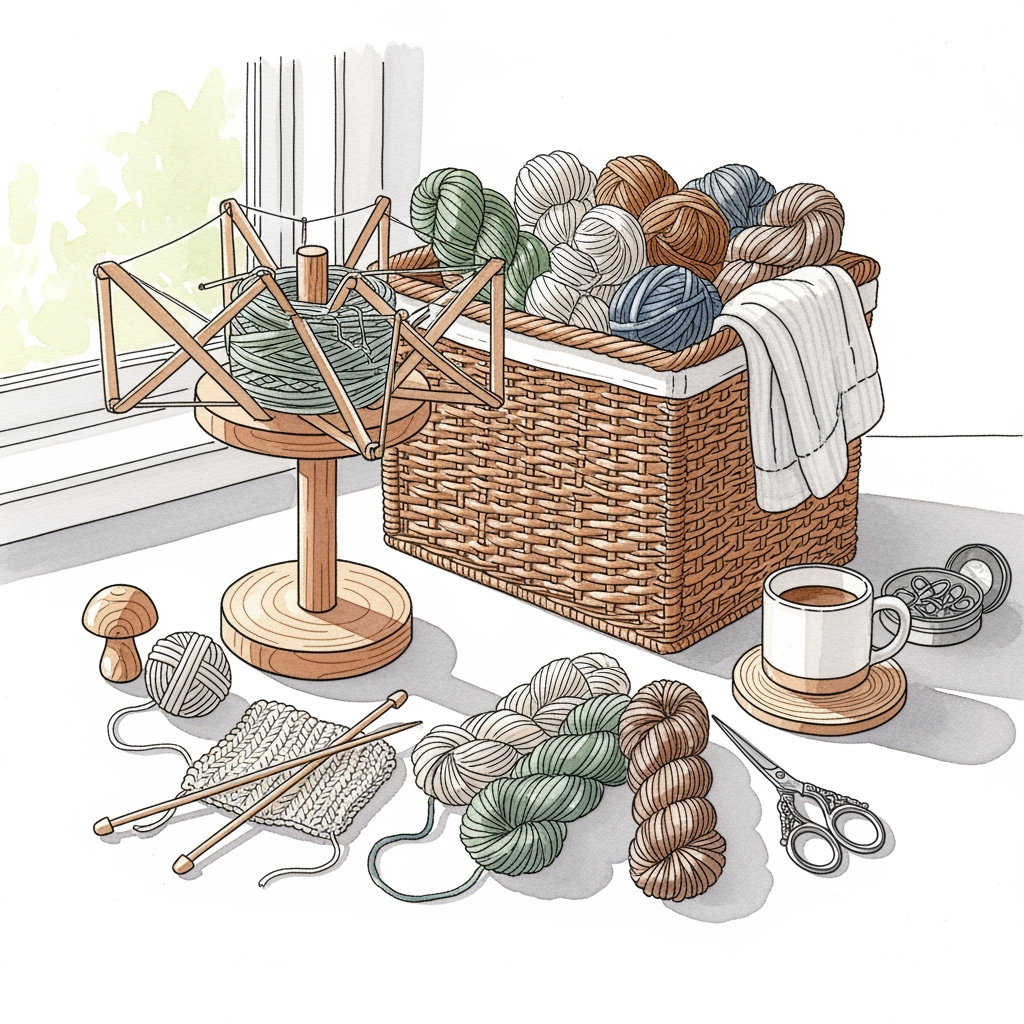
Protecting a carefully curated yarn stash from hungry moths is a rite of passage for every serious knitter. Those tiny larvae can turn a hundred dollars of hand-dyed merino into a pile of expensive confetti in a single season. The right cedar repellent creates a protective barrier, keeping your precious fibers safe without relying on harsh, lingering chemicals. With a few strategic choices, you can ensure your favorite skeins are ready for their next project whenever inspiration strikes.
Woodlore Cedar Fresh Cedar Hang-Ups: Best Overall


When you have a collection of high-end wool sweaters or precious hand-knit shawls stored in a closet, hanging protection is non-negotiable. These Woodlore hang-ups are designed to slip directly onto your garment rack, creating an immediate scent barrier that moths find repulsive.
The beauty of this design is the coverage; the scent permeates the air around your hanging garments without touching the fibers directly. This is crucial for delicate fibers like cashmere or angora that can sometimes absorb strong oils from direct contact.
However, keep in mind that these are most effective in enclosed closet spaces. If your closet is packed too tightly, the airflow is restricted, and the scent won’t reach every fold of your garment.
Bottom line: These are the gold standard for your finished hand-knits that live on hangers.
Household Essentials Cedar Blocks: Best Value Set

If you are just starting to build your stash, you likely have yarn tucked into various corners, bins, and drawers. Buying cedar in bulk via these blocks is the most economical way to ensure every storage container has a line of defense.
These blocks are incredibly versatile because they are small enough to be tucked into the corners of plastic bins or even inside project bags. I often place them near the bottom of my yarn storage crates where the weight of the skeins might otherwise compress the air.
The tradeoff here is that blocks have a smaller surface area than larger planks. You will need to use more of them to achieve the same scent intensity as a dedicated cedar hang-up.
Bottom line: Buy these in bulk to ensure every single storage box in your craft room has a dedicated protector.
Cedar Fresh Cedar Balls: Best for Storage Bins

Small, round cedar balls are the perfect solution for those deep plastic bins where yarn is stacked to the brim. Because they are spherical, they naturally roll into the gaps between skeins, ensuring the scent circulates throughout the container.
I find these particularly useful when storing specialty fibers like silk-mohair blends or high-twist wools. They don’t snag or catch on delicate plies, which is a major concern when you are dealing with loosely spun single-ply yarns.
Just be careful: because they are small, they can easily get lost in the bottom of a bin. I recommend placing them in small mesh organza bags before dropping them into your yarn bins to keep them organized and easy to retrieve.
Bottom line: Use these to fill the "negative space" in your storage bins for total protection.
Richards Homewares Cedar Planks: Best for Shelves

Open shelving is a beautiful way to display your yarn, but it leaves your stash vulnerable to everything in the air. Placing these flat cedar planks along the back of your shelves creates a subtle, protective "wall" behind your yarn rows.
These are excellent for organizing your stash by weight or fiber content. By placing a plank between different types of yarn, you create a dedicated micro-environment for each shelf.
The downside is that they require a bit of shelf real estate. If you are a stash-collector with limited space, these might feel like they are taking up room that could be used for one more skein of sock yarn.
Bottom line: These provide a stable, consistent scent barrier for your open-air yarn library.
Cedar Fresh Cedar Sachets: Best for Delicate Yarn

Sometimes you want the benefit of cedar without the risk of the wood oils touching your yarn. Sachets are the perfect middle ground, as they contain cedar shavings inside a breathable fabric pouch.
These are my go-to for storing hand-dyed yarns or delicate lace-weight silk. The fabric acts as a buffer, ensuring that the natural oils in the cedar don’t leave a spot on your expensive, hand-painted fibers.
The only downside is that the scent in sachets can fade slightly faster than solid wood. You will need to give these a gentle shake every few weeks to keep the cedar shavings active and aromatic.
Bottom line: Choose sachets when you want to protect your most precious, delicate yarn purchases.
Woodlore Cedar Drawer Liners: Best for Yarn Drawers

If you are lucky enough to have a dedicated dresser for your stash, cedar drawer liners are a game changer. They provide full-surface protection, ensuring that every skein in the drawer is surrounded by the scent of cedar.
These liners are particularly effective for long-term storage of wool that isn’t being used for the current season. By lining the bottom of the drawer, you create a base layer of protection that lasts for months.
Remember that these are best for flat-stacked yarn. If you have a tendency to overstuff your drawers, the scent will struggle to permeate the middle of your yarn piles.
Bottom line: A luxurious and effective way to turn any standard dresser into a moth-proof yarn vault.
Cedar Fresh Cedar Rings: Best for Hanger Storage
Cedar rings are a genius invention for anyone who hangs their hand-knit sweaters. They feature a hole in the center, allowing them to slide directly onto the neck of your coat hangers.
This puts the protection exactly where the moths are most likely to land: the shoulders and collar of your garment. It’s a targeted approach that is incredibly efficient for high-maintenance fibers like wool and alpaca.
The only real tradeoff is that they only work on hangers with thin necks. If you use chunky wooden hangers, these rings simply won’t fit, so check your hardware before buying.
Bottom line: The most efficient, targeted protection for your finished knitwear collection.
How to Properly Prep Your Stash Before Moth Proofing
Before you add a single piece of cedar to your stash, you must ensure your yarn is clean. Moths are attracted to the oils, sweat, and food particles that can transfer from your hands to the yarn while you knit.
Always store your yarn in airtight containers if you have had a previous moth issue. Cedar acts as a deterrent, but it is not a cure for an existing infestation; if you see webbing or tiny larvae, you must isolate the yarn immediately.
If you suspect your stash has been compromised, place your yarn in a sealed bag and put it in the freezer for at least 72 hours. This kills the larvae and eggs without damaging the fiber structure of your wool.
Bottom line: Cedar is for prevention, not for cleaning; always store clean yarn to keep your stash safe.
Why Natural Cedar Needs Periodic Sanding for Scent
Cedar works by releasing natural aromatic oils, but over time, the surface oxidizes and the scent fades. If your cedar blocks no longer smell like a forest, they aren’t doing their job.
You don’t need to buy new products every year. Simply take a piece of fine-grit sandpaper and lightly buff the surface of your cedar. This exposes fresh wood fibers and releases a new wave of protective scent.
This is a small price to pay for the longevity of your stash. Keep a small piece of sandpaper in your knitting tool kit, and make "cedar refreshing" a part of your seasonal stash rotation.
Bottom line: A quick sanding every few months keeps your cedar working at peak performance.
Essential Tips for Long-Term Wool Storage Success
- Avoid cardboard: Cardboard boxes are a breeding ground for pests and can contain acidic compounds that degrade natural fibers over time.
- Use clear plastic bins: They allow you to see your stash while keeping pests out, just ensure they have a tight-locking lid.
- Rotate your stash: Don’t let yarn sit in the back of a dark closet for years; bring it out, inspect it, and re-organize it annually.
- Consider vacuum sealing: For long-term storage of wool you won’t use for years, vacuum-sealed bags are the gold standard for total isolation.
When you store your yarn, think about the environment. Moths love dark, humid, and undisturbed places. By choosing the right cedar products and keeping your storage area clean and dry, you are setting your stash up for a long, moth-free life.
Always remember that your yarn is an investment. Taking these simple steps today means you will have beautiful, pristine fiber ready for your next cast-on, no matter how long it stays in storage.
Keeping your yarn stash safe is a fundamental skill that every knitter should master to protect their fiber investment. By layering your defenses with cedar blocks, hangers, and proper storage containers, you effectively turn your home into a moth-proof sanctuary. Take the time to prep your yarn, refresh your cedar, and stay vigilant with your storage habits. Your future projects will thank you when you reach into your stash and find your yarn exactly as you left it.