6 Best Wool Detergents For Natural Fibers To Use
Maintaining wool requires specialized care. Discover the six best detergents formulated to protect natural fibers, prevent shrinking, and ensure longevity.
After spending decades watching beautiful, hand-knit sweaters felt into stiff, unusable fabric, I’ve learned that the secret to longevity lies entirely in the wash. Choosing the right detergent is the single most important decision you make after casting off your final stitch. These six products represent the gold standard for maintaining the integrity of natural fibers. Investing in a quality wash ensures your heirloom pieces remain soft, vibrant, and structurally sound for years to come.
Eucalan Delicate Wash: Best Overall for Wool
Eucalan is the workhorse of the knitting world for a reason. It is a rinse-free formula that contains natural lanolin, which helps condition the fibers as they soak.
When you’ve spent forty hours on a lace shawl, the last thing you want is to rinse out every bit of goodness. Eucalan leaves a trace of lanolin behind, which keeps the wool supple and slightly water-repellent.
It is perfect for the "set it and forget it" knitter. You simply submerge your project, let it sit for fifteen minutes, and squeeze out the excess. No rinsing means less agitation, which is the primary cause of felting.
Soak Wash: Best No-Rinse Option for Knitwear
Soak is the modern knitter’s go-to for its light, sophisticated scents and incredibly gentle chemistry. If you are sensitive to heavy perfumes or have a stash of delicate baby knits, this is your best bet.
The formula is designed to be residue-free, meaning it lifts dirt and oils without leaving a heavy film on the yarn. It’s particularly effective for blocking, as it relaxes the fibers just enough to help them hold their shape once dry.
I recommend the unscented version if you’re gifting your knits. It ensures the recipient experiences only the natural, clean scent of the fiber itself.
Kookaburra Wool Wash: Best for Natural Lanolin


Kookaburra is a concentrated, biodegradable wash that leans heavily into the restorative properties of tea tree oil and lanolin. It is a fantastic choice if you are working with raw, rustic wools that feel a bit scratchy or dry.
The tea tree oil acts as a natural deodorizer and keeps moths at bay. If you live in a climate where your woolens tend to pick up musty smells, this wash provides a refreshing, clean reset.
Because it is highly concentrated, a little goes a long way. Be careful not to over-pour; you only need a teaspoon for a standard sink basin of water.
The Laundress Wool & Cashmere: Best Premium Pick
This detergent feels like a spa treatment for your most expensive, hand-dyed cashmere or alpaca blends. It is formulated with a sophisticated cedar scent that naturally repels insects, making it ideal for seasonal storage.
It is undeniably a premium product, but it excels at preserving the loft of delicate luxury fibers. If you’ve invested in high-end, hand-painted singles, this wash helps maintain the vibrancy of the dye without stripping the natural oils.
Use this for your "special occasion" sweaters. It’s the detergent I reach for when I’m blocking a complex cabled cardigan that I want to keep in pristine condition for a decade.
Unicorn Fibre Wash: Best for Delicate Fibers
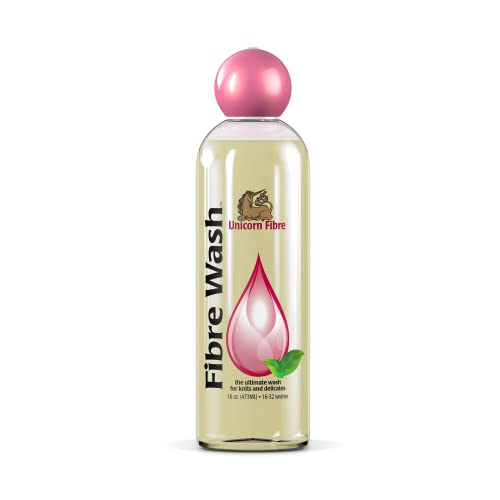
Unicorn Fibre Wash is a favorite among those who work with high-twist yarns or complex stranded colorwork. It is exceptionally good at preventing dye bleeding, which is a common nightmare when washing high-contrast colorwork projects.
The formula is pH-balanced to match the natural state of animal hair. This prevents the microscopic scales on the wool fiber from opening up, which is exactly what happens right before a garment begins to felt.
If you are nervous about washing a project with high-contrast colors, like a deep navy and a bright white, this is the safest choice. It stabilizes the fibers while lifting away surface dirt.
Outback Gold Wool Wash: Best for Heavy Soiling

Sometimes, a project needs a deeper clean, especially if it’s a pair of socks that have seen a full winter of wear. Outback Gold is a robust cleaner that handles dirt and sweat better than most gentle delicates.
It is particularly effective on wool that has lost its "spring" due to heavy use. The formula helps restore the natural bounce of the fiber, making your socks feel almost like they were fresh off the needles.
Use this sparingly on your daily-wear items. It is a powerful tool, but it is best reserved for when your woolens actually need a serious refresh rather than just a light blocking.
Why Wool Needs Specialized pH-Neutral Detergents
Wool is essentially hair, and like human hair, it has a specific pH balance. Regular laundry detergents are often alkaline, which causes the scales on the wool fiber to lift and snag against each other.
When these scales snag, the fibers lock together permanently—this is felting. Once a garment has felted, there is no going back; the drape is gone, and the size will have shrunk significantly.
Specialized detergents are formulated to keep the fiber smooth. By maintaining the correct pH, you ensure that the wool remains soft against the skin rather than turning into a stiff, matted fabric.
The Dangers of Using Regular Soap on Animal Fiber
Never use standard dish soap or heavy-duty laundry detergent on your hand knits. These products contain enzymes designed to break down protein stains, and since wool is a protein fiber, these enzymes will literally eat your sweater.
Regular soap also strips away the natural lanolin that protects the wool. Without this protective oil, your yarn becomes brittle, dry, and prone to breakage.
Over time, this leads to thinning elbows and holes in the underarms. Stick to products specifically labeled for animal fibers to avoid these catastrophic chemical reactions.
How to Properly Soak and Block Your Hand Knits
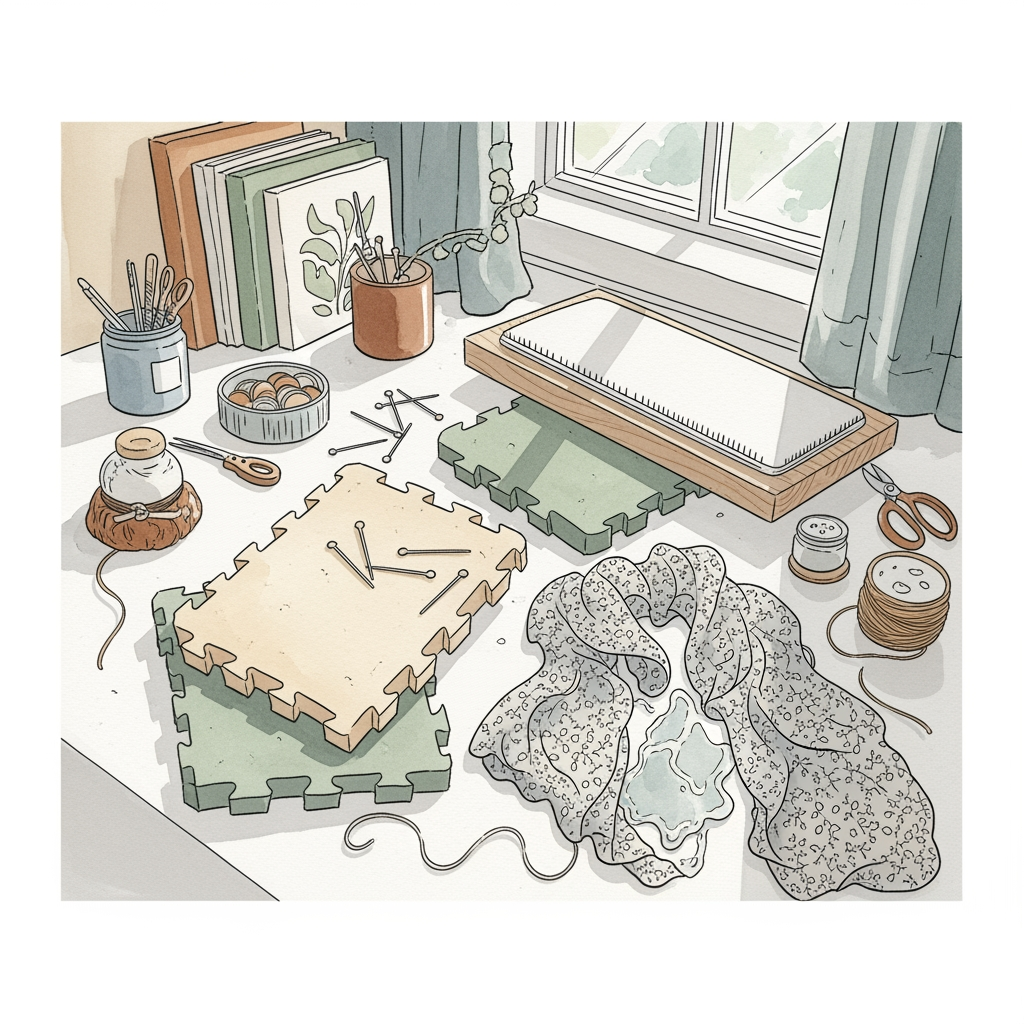
The goal of blocking is to gently manipulate the fabric into its final, intended shape. Start by filling a basin with cool water and your chosen detergent, then submerge the garment without wringing or twisting it.
- Soak: Let it sit for 15–20 minutes.
- Drain: Gently press the water out against the side of the basin.
- Roll: Lay the garment flat on a clean towel and roll it up like a burrito to remove excess moisture.
- Shape: Lay it flat on a blocking mat, pinning it to the exact measurements of your pattern.
Never hang a wet wool sweater on a hanger. The weight of the water will stretch the shoulders and ruin the fit, often permanently distorting the stitch pattern.
Essential Tips for Storing Woolens Long-Term
Before you pack away your knits for the summer, they must be clean. Moths are attracted to the microscopic traces of skin cells, oils, and food particles left behind in the fibers, not the wool itself.
Store your items in breathable containers, such as cotton bags or acid-free boxes. Avoid plastic bins, which can trap moisture and create a breeding ground for mildew.
Add a cedar block or a sachet of dried lavender to the storage container. These natural deterrents keep your woolens smelling fresh and provide an extra layer of defense against unwanted pests.
Caring for your hand-knitted treasures is just as important as the time you spent creating them. By choosing the right detergent and practicing gentle blocking techniques, you ensure your work remains a legacy piece. Remember that wool is a living fiber that thrives on proper maintenance and respect. Treat your knits with the same care you used to craft them, and they will keep you warm for a lifetime.