6 Best Binder Clips For Bundle Dyeing To Try
Master bundle dyeing with our top 6 binder clip picks. Learn which durable, rust-resistant tools provide the best pressure for crisp, vibrant fabric patterns.
Bundle dyeing is a beautiful, alchemical process that transforms plain fibers into wearable art, but the success of your patterns often hinges on how tightly you secure your fabric. Much like managing tension in a complex cable project, your ability to control where the dye flows depends entirely on your mechanical setup. Using the right binder clips ensures your resist patterns remain crisp and defined rather than bleeding into a muddy mess. Here are the best tools to help you achieve professional-grade results in your home dye studio.
ACCO Stainless Steel Clips: Best Overall Choice


These clips are the industry standard for a reason, offering a perfect balance of spring tension and chemical resistance. When you are layering silk or wool for a botanical print, you need a clip that won’t give up halfway through a long simmer.
The stainless steel construction is the primary reason to choose these over standard office-grade clips. Unlike cheaper versions that rely on a thin coating, these are less prone to rust, which is vital when you are working with mordants like iron or alum.
If you are bundling delicate protein fibers, these provide the consistent pressure required to keep leaves and petals in direct contact with the fabric. The bottom line: keep a box of these on hand as your reliable, everyday workhorse.
JAM Paper Jumbo Clips: Best for Thick Bundles

When you are working with heavy-duty fabrics like cotton canvas or thick wool felt, standard clips often pop off under the pressure of the fabric’s natural loft. These jumbo clips feature an extra-wide capacity that accommodates substantial bundles without straining the hinge.
Think of these like using a larger needle size for bulky weight yarn; they provide the necessary "room" to maneuver without compromising the structure of your project. They are essential when you are folding multiple layers of fabric in an accordion style.
Because they are larger, they distribute pressure over a wider surface area. This prevents the "pinching" effect that can sometimes create unwanted, sharp lines in your finished dye pattern.
Officemate Heavy Duty Clips: Best for Durability

These clips are built with a high-tension spring that feels remarkably similar to the resistance you experience when working with stiff, unwashed linen. They are designed for makers who demand tools that survive repeated boiling and soaking cycles.
Durability is not just about the metal; it is about the integrity of the spring mechanism. These clips maintain their "snap" even after being submerged in hot dye baths for several hours.
If you are planning to use the same bundles for multiple rounds of dipping, these are your best bet. They won’t lose their grip, ensuring your resist pattern stays exactly where you placed it from the first dip to the last.
Amazon Basics Assorted Clips: Best Value Option

If you are just starting your journey into natural dyeing, you likely don’t want to invest heavily in specialized hardware until you understand your preferred aesthetic. These assorted packs provide a variety of sizes, allowing you to experiment with different bundle densities.
Think of this as a "sampler set" for your dye studio, much like buying a set of varied needle tips before committing to a full interchangeable kit. You can use the small clips for fine details and the larger ones for securing the main structure.
While they may not last as long as the stainless steel options, they are perfect for learning the mechanics of fabric manipulation. Start here to build your confidence, then upgrade to specialty metals once you know your specific needs.
Vaultz Colored Steel Clips: Best Color Coding
Organization is the secret to a successful dye day, especially when you are working with multiple mordants or dye pots simultaneously. These colored clips allow you to assign a specific hue to a specific fiber type or dye bath.
For example, you could use red clips for silk bundles and blue clips for cotton. This simple visual cue prevents cross-contamination, which is critical when you are working with sensitive botanical dyes that react differently to various fiber types.
The finish on these is generally quite durable, but keep an eye out for chips in the paint. If the coating begins to flake, retire the clip to avoid potential discoloration of your fabric during the boiling process.
Staples Extra Wide Clips: Best Grip Strength

There are times when you need an aggressive grip to prevent fabric from shifting, especially when using slippery materials like silk charmeuse. These extra-wide clips provide a firm, secure hold that prevents the "creeping" that often ruins intricate resist designs.
The extra width ensures the fabric remains flat against your wood or metal core. This is the equivalent of using a locking stitch marker to hold a dropped stitch in place; it is a small mechanical intervention that prevents a much larger disaster.
If you find that your bundles are coming out blurry or lacking definition, the issue is often a lack of consistent pressure. Switch to these wide clips to ensure your resist patterns are held firmly in place throughout the entire dyeing process.
Why Material Choice Matters in Bundle Dyeing
In fiber arts, we know that the tools we use interact physically with the medium. In bundle dyeing, the metal of your clips can actually act as a secondary mordant, leaching ions into your fabric during the heat of the dye bath.
Stainless steel is the gold standard because it is largely inert. If you use cheap, coated clips that have been scratched, you risk iron or nickel contamination, which will inevitably change the color of your botanical pigments.
Always inspect your clips before use. If you see signs of rust or degradation, discard them immediately to protect your fabric from permanent, unwanted staining.
Proper Technique for Securing Fabric Bundles
Securing a bundle is an exercise in tension management, much like tensioning your yarn while knitting a sweater. You want the fabric to be taut, but not so stretched that you warp the weave of the fiber.
Start by folding your fabric as tightly as possible around your core material, such as a wooden dowel or a pipe. Apply your clips in a grid pattern, starting from the center and working your way out to the edges.
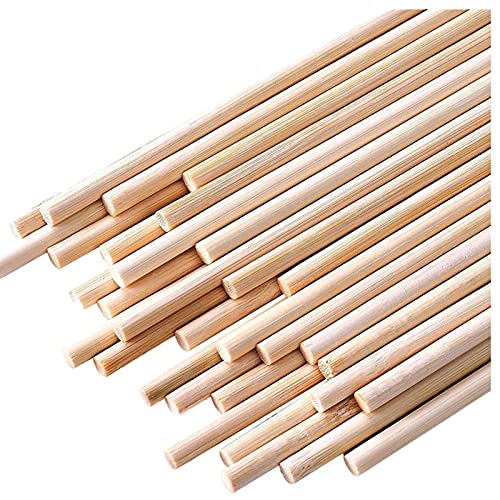
This method ensures that the pressure is evenly distributed across the entire bundle. If you apply clips haphazardly, you will end up with pockets of dye that create uneven, blotchy results instead of clean, intentional patterns.
Preventing Metal Corrosion During the Dye Bath
Boiling water and acidic dye baths create a harsh environment for metal tools. To prolong the life of your clips, always rinse them thoroughly in clean water immediately after removing them from the dye pot.
Dry them completely before storing them away. Moisture left in the hinge mechanism is the primary cause of oxidation, which can lead to rust spots on your next project.
If you are working with particularly acidic dyes, consider coating the clips in a thin layer of food-safe wax or using a protective sleeve. This extra step can significantly extend the lifespan of your hardware.
Essential Safety Tips for Natural Dyeing Tools
Never use your dyeing clips for food preparation. Even if you are using natural, non-toxic dyes, the metal clips can accumulate residues or rust that are not safe for culinary use.
Always work in a well-ventilated area, especially when simmering mordants or plant materials. Treat your dye studio with the same respect you would your knitting space; keep your tools organized, clean, and dedicated strictly to your craft.
Finally, remember that natural dyeing is a process of discovery. Not every bundle will be perfect, and that is part of the beauty of the craft. Keep experimenting, keep refining your technique, and enjoy the beautiful, unpredictable results.
Choosing the right binder clips is a small but critical detail that elevates your bundle dyeing from a fun experiment to a refined art form. By selecting the right tension and material for your specific project, you ensure that your botanical prints are as crisp and vibrant as you envisioned. Treat your tools with care, maintain your tension, and let the natural dyes work their magic on your fibers. Happy dyeing!