6 Best Aluminum Knitting Needles For Beginners
Discover the 6 best aluminum knitting needles for beginners. These durable, smooth tools offer the perfect grip and glide to master your first projects easily.
Starting your knitting journey is an exciting endeavor, but the sheer variety of tools on the market can feel overwhelming for a newcomer. Aluminum needles remain a staple in the fiber arts world because they offer a consistent, durable, and affordable foundation for learning the craft. This guide highlights the best aluminum options available to help you build your skills with confidence. Choosing the right needle is the first step toward mastering your tension and enjoying every stitch you create.
Addi Turbo Circulars: The Gold Standard Choice
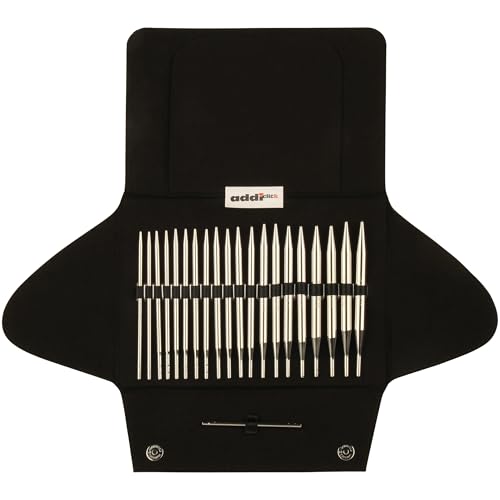

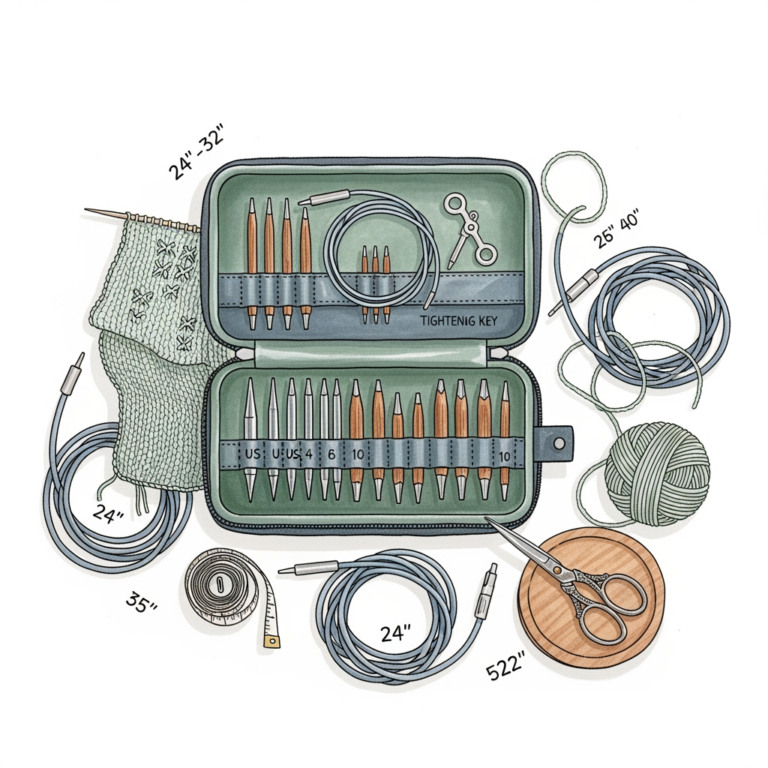
Addi Turbos are legendary for their signature nickel-plated finish, which creates a frictionless surface for your yarn to glide over. This slickness is a massive advantage when you are working on a project that requires speed, as it prevents the yarn from dragging against the needle shaft.
However, because they are so smooth, beginners sometimes struggle with stitches slipping off prematurely. If you are prone to "dropping" stitches, you might find these needles a bit too fast until your muscle memory develops.
These circulars are particularly excellent for projects worked in the round, such as cowls or hats. The join between the needle tip and the cord is famously seamless, meaning you won’t have to fight against your yarn snagging mid-row.
ChiaoGoo Aluminum Straight Needles for Ease

ChiaoGoo is widely respected for precision engineering, and their aluminum straight needles are no exception. They offer a slightly more matte finish than other brands, which provides just enough "bite" to keep your stitches secure while you practice your knit and purl stitches.
The tips are perfectly tapered—sharp enough to get into tight stitches, but not so pointed that they split your yarn. This balance is vital for beginners who are still learning how to control their yarn tension and maneuver their needle tips.
If you are a "tight" knitter, these needles will help you maintain a consistent gauge without feeling like you are wrestling with your stitches. They are a reliable, no-nonsense tool that will last through years of practice and multiple projects.
Boye Aluminum Single Points: Best for Budget

You can find Boye needles in almost any craft store, and their accessibility makes them a rite of passage for many new knitters. They are incredibly lightweight, which helps prevent hand fatigue during those long initial practice sessions where you are working the same row over and over.
The color-coding system is a brilliant feature for beginners who haven’t yet memorized the millimeter sizing of needles. Being able to quickly grab the "blue" needle for a specific project saves time and reduces the frustration of searching for a gauge tool.
While they are budget-friendly, be aware that the finish can wear down over time with heavy use. They are the perfect "starter set" to learn the mechanics of the craft without making a significant financial investment.
Susan Bates Silvalume Needles: Smooth Finish

The Silvalume finish on Susan Bates needles is designed to be exceptionally smooth, allowing for a fluid knitting rhythm. They are known for their distinct "inline" head design, which helps guide the yarn consistently as you pull it through a stitch.
This inline shape is a game-changer for beginners struggling with uneven tension. It forces you to pick up the yarn in a way that promotes uniformity, which is the secret to a professional-looking finished fabric.
Because they are so smooth, they work best with wool or wool-blend yarns that have a bit of natural grip. If you try to use them with very slick synthetic yarns, you might find yourself chasing your stitches across the room.
Clover Takumi Aluminum Needles: Ergonomic Grip

Clover is famous for thoughtful design, and their aluminum needles feature a slightly textured surface that provides excellent control. This is ideal for a beginner who feels like their needles are "slippery" or difficult to manage during the first few weeks of learning.
The weight distribution is balanced perfectly, ensuring that the needle doesn’t pull down on your hands while you work. This ergonomic focus is crucial when you are just starting out and your hands are still getting used to the repetitive motions of knitting.
These needles are a great middle-ground choice if you want the durability of aluminum but the control typically associated with bamboo or wood. They represent a high-quality tool that will remain a part of your kit long after you have mastered the basics.
Knitter’s Pride Basix Aluminum: Great Value

Knitter’s Pride offers the Basix line as a straightforward, high-quality option for those who want a reliable tool without extra bells and whistles. They are sturdy, well-weighted, and feature a smooth finish that accommodates a wide variety of yarn types.
The consistency of these needles is their strongest selling point; you know exactly how the needle will behave regardless of the size you choose. For a beginner, this predictability is essential for learning how different yarn weights interact with different needle sizes.
They are an excellent choice for knitters who want to build a collection of sizes without breaking the bank. You get a professional-grade tool that handles everything from bulky scarves to delicate baby blankets with ease.
Why Aluminum Is Ideal for Knitting Beginners
Aluminum needles are the industry standard for beginners because they offer a consistent, non-porous surface that doesn’t snag or splinter. Unlike wooden needles, which can have varying textures or even tiny burrs, aluminum is reliably smooth right out of the package.
They are also incredibly durable, meaning they won’t warp or snap if you accidentally sit on them or keep them in a bag. For a learner who is still developing a "light touch," the structural integrity of metal provides peace of mind.
Finally, aluminum needles are excellent for learning how to manage tension. Because the surface is slick, you are forced to learn how to hold your yarn properly to keep stitches from sliding off, which ultimately makes you a more skilled and controlled knitter.
How to Match Needle Size to Your Yarn Weight
Matching your needle size to your yarn weight is the foundation of achieving the correct "gauge," or the number of stitches per inch. Most yarn labels include a recommended needle size, which is a great starting point for any beginner.
- Lace/Fingering weight: Best paired with 2.25mm to 3.25mm needles.
- DK/Worsted weight: Usually works best with 4.0mm to 5.0mm needles.
- Bulky/Super Bulky: Requires 6.0mm needles and larger.
If you are a "loose" knitter—meaning your stitches look large and airy—try going down a needle size. Conversely, if you find it difficult to insert your needle into the next stitch, you are a "tight" knitter and should go up a needle size.
Essential Tips for Maintaining Your Needles
Even though aluminum is durable, it still requires basic care to stay in top shape. Always store your needles in a case or a dedicated roll to prevent them from getting bent or scratched.
If you notice your needles getting "sticky" from hand oils or yarn residue, a quick wipe with a soft, damp cloth is usually all they need. Avoid using harsh chemicals or abrasive sponges, as these can strip the finish and make the needle surface rough.
If you do happen to get a small scratch on your needle, you can sometimes buff it out with a very fine-grit polishing cloth. However, if the scratch is deep enough to catch your yarn, it is usually time to retire that needle to avoid damaging your projects.
Troubleshooting Common Beginner Knitting Issues
If you find that your stitches are constantly falling off, you are likely working with a needle that is too slick for your current skill level. Try switching to a slightly "grippier" needle or focusing on keeping your yarn held firmly in your non-dominant hand.
If your knitting feels like a chore and your hands are cramping, you might be holding the needles with a "death grip." Take frequent breaks, stretch your hands, and remind yourself that the needle should be doing the work, not your muscles.
Finally, if your finished project looks uneven, don’t be discouraged; this is a natural part of the learning process. Practice is the only way to develop muscle memory, and your tension will naturally smooth out as you complete more rows and projects.
Armed with the right aluminum needles, you are well-prepared to tackle your first cast-on and beyond. Remember that every master knitter was once a beginner struggling with their first few rows of garter stitch. Trust the process, choose the tools that feel comfortable in your hands, and enjoy the meditative rhythm of the craft. Happy knitting!