6 Best Punch Cards For Pattern Design To Try
Discover the 6 best punch cards for pattern design. This guide explores essential patterns to elevate your knitting projects with precision and creative flair.
Stepping into the world of punch card knitting is like unlocking a mechanical language that transforms simple yarn into complex, professional-grade textiles. While modern electronic machines have their place, the tactile satisfaction of a physical punch card remains a cornerstone of the craft. These cards act as the "brain" of your machine, dictating needle selection with a rhythmic, mechanical precision that digital interfaces often lack. Mastering these tools allows you to push your machine to its creative limits while honoring the rich history of mid-century knitting technology.
Brother Punch Card Set 1-20: Best for Beginners

When you first sit down at a Brother machine, the sheer number of options can feel overwhelming. The standard 1-20 set is the perfect starting point because it focuses on fundamental tuck and slip stitches that are very forgiving.
These patterns are designed to teach you how the machine interprets holes versus solid paper. You’ll quickly learn how different yarns react to these basic movements, which is essential for understanding your machine’s tension requirements.
Don’t fall for the trap of thinking these are "too basic" for advanced work. Even experienced knitters return to these patterns to test new yarn weights or to calibrate their machine after a deep cleaning.
Silver Reed Standard Punch Card: Best for Lace
Silver Reed machines operate with a different mechanical logic than Brother, and their standard lace cards are engineered to leverage that specific carriage movement. If you want that delicate, airy look for a summer shawl, these cards are your best friend.
Lace knitting on a machine requires a specific rhythm and a consistent yarn weight. If you use a yarn that is too thick or "hairy," the transfer needles will struggle to move the stitches, leading to dropped loops.
Always pair these cards with a smooth, plied yarn like a high-twist merino or a mercerized cotton. The goal is to let the machine do the hard work of transferring stitches without fighting the fiber’s natural friction.
Passap Automatic Pattern Set: Best for Texture
Passap machines are the heavy-duty workhorses of the knitting world, and their pattern sets are designed to create incredible, thick textures. Unlike standard machines, Passap uses a double-bed system that creates fabrics with no "wrong" side.
These cards excel at creating embossed patterns that look like they were hand-knit with complex cables. Because the machine is mechanical and robust, you can use slightly heavier yarns than you would on a standard-gauge machine.
Be prepared for a steeper learning curve, as the Passap system is less intuitive than a standard punch card machine. However, the resulting fabric is often indistinguishable from high-end, store-bought designer knitwear.
Brother Lace Punch Card Pack: Best for Intricate

Brother lace cards are famous for creating those stunning, complex patterns where the machine transfers stitches to create decorative holes. These are not for the faint of heart, as they require strict attention to your carriage speed.
The secret to success here is proper weight distribution. If you don’t hang your weights evenly across the fabric, the machine will skip stitches, and your intricate lace will quickly become a tangled mess.
If you are working with a delicate lace-weight mohair, make sure your tension dial is set correctly for a loose gauge. You want the stitches to be airy, but not so loose that the transfer needles can’t catch them.
Silver Reed 24-Stitch Repeat: Best for Fair Isle
The 24-stitch repeat is the gold standard for stranded colorwork, or "Fair Isle," on a punch card machine. It’s a versatile width that allows for complex geometry without overloading the machine’s memory.
When working with two colors, your main concern is tension consistency. If your floats—the loose strands of yarn on the back of the work—are too tight, your garment will pucker and lose its drape.
I recommend using a wool with a bit of "grab" to it, as super-slick acrylics can cause the floats to slip and create uneven tension. Practice on a swatch first to ensure your float length is just right.
Punch Card Design Blank Packs: Best for Custom

Blank punch cards are where the real artistry begins. Once you understand how the machine reads the holes, you can start punching your own geometric designs, logos, or unique stitch patterns.
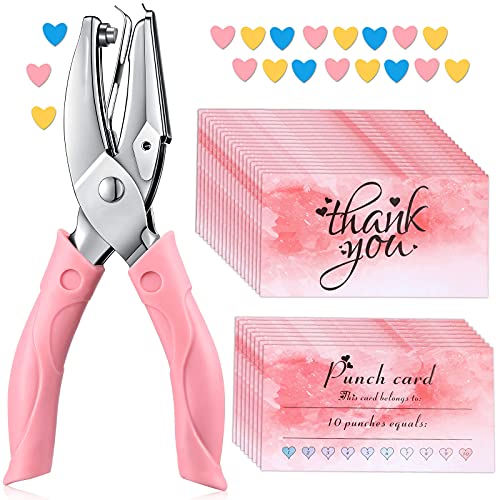
You will need a specialized punch tool to ensure the holes are clean and perfectly aligned. Even a slightly jagged hole can cause the machine to "read" incorrectly, leading to errors in your pattern.
- Grid layout: Always map your design on graph paper first.
- Stitch orientation: Remember that the punch card reads row-by-row.
- Verification: Double-check your holes against the machine’s specific layout requirements.
Essential Guide to Punch Card Knitting Machines

A punch card machine is essentially a mechanical computer. It uses a series of pins or a sensor bar to "read" the holes in the card, which then triggers the needles to move into specific positions.
Understanding this mechanical relationship is vital. If your card is dirty or the edges are frayed, the machine will misread the pattern. Treat your cards like delicate components, not just scrap paper.
Ultimately, the machine is a tool, not a miracle worker. It will faithfully reproduce whatever you feed it, so your choice of yarn and your attention to detail are what truly define the quality of the finished fabric.
How to Properly Maintain Your Punch Card Reader
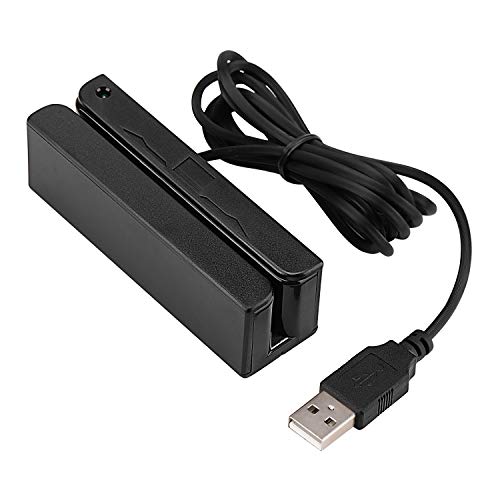
The reader is the most sensitive part of your machine. Over time, dust, lint, and old lubricant can build up, causing the pins to stick or the card to feed unevenly.
Use a soft, dry brush to gently clear out the card feed area after every few projects. Never use harsh solvents or heavy oils, as these can damage the plastic components or attract more dust over time.
If you notice your machine starting to skip rows or misread patterns, don’t force the carriage. Stop, check the card for debris, and ensure the card is inserted perfectly straight into the guide.
Troubleshooting Common Punch Card Feed Issues
If your card isn’t feeding, the most common culprit is a slight bend in the paper. Even a tiny crease can stop the card from advancing smoothly through the gate.
Check the drive gear that advances the card. If it’s worn or clogged with debris, the card will slip, causing your pattern to lose its alignment. A quick cleaning with a bit of compressed air usually does the trick.

If the machine is still misbehaving, check the tension of the card itself. It should be taut but not stretched, as extreme tension can tear the holes and ruin the pattern sequence entirely.
Tips for Designing Your Own Punch Card Patterns
When designing, think in terms of binary: a hole means the needle is selected, and no hole means it stays in its resting position. Keep your designs bold and high-contrast for the best visual impact.
Avoid designs with long, horizontal floats that span more than 4-5 stitches. These long floats are prone to snagging during wear, which can quickly turn a beautiful sweater into a frustrating repair project.
Finally, keep your designs balanced. A pattern that is too heavy on one side of the needle bed can cause uneven wear on your machine’s carriage, so aim for symmetry whenever possible.
Punch card knitting is a rewarding bridge between traditional hand-knitting and industrial production. By respecting the mechanical needs of your machine and choosing your patterns with care, you can create textiles that are both beautiful and durable. Remember that every master knitter started with a single, simple card and a bit of patience. Keep your tools clean, your tension consistent, and let your creativity drive the process.