6 Best Carriage Oilers For Machine Maintenance
Keep your machinery running smoothly with our top 6 carriage oiler picks. Discover essential maintenance tips to improve performance and extend tool lifespan.
A knitting machine carriage that glides effortlessly is the difference between a meditative afternoon of colorwork and a frustrating battle against jammed needles. Over my two decades in the studio, I have learned that the health of your machine is entirely dependent on the quality of the lubricant you choose. These six oils represent the gold standard for maintaining the delicate metal-on-metal interactions that define mechanical knitting. Proper maintenance ensures your needle beds stay pristine and your carriage moves with the fluid grace required for complex patterns.
Singer Sewing Machine Oil: The Industry Standard
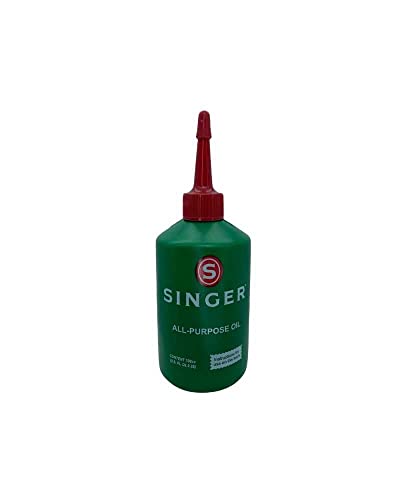

If you have ever inherited an older machine, you have likely seen a small bottle of Singer oil tucked into the accessory box. It remains the most accessible option for a reason: it is a light, non-gumming mineral oil that does exactly what it promises without unnecessary additives.

For the casual hobbyist who knits a few sweaters a year, this is often all you need. It provides a clean, clear barrier that prevents rust and reduces the friction that leads to uneven stitch tension.
However, be aware that it lacks the long-term staying power of modern synthetic lubricants. If you are a high-volume knitter producing garments daily, you will find yourself reaching for this bottle more frequently than others.
Zoom-Spout Turbine Oil for Precision Lubrication

The genius of Zoom-Spout oil lies entirely in its delivery system, which features a telescoping spout that reaches into the deepest recesses of a carriage. When you are trying to lubricate the internal cams without disassembling the entire housing, this reach is a genuine lifesaver.
This oil is specifically designed for high-speed turbines, meaning it has a lower viscosity and resists breaking down under heat. If you are working on a heavy-duty project, such as a thick wool coat that puts significant strain on your machine, this oil holds up beautifully.
The trade-off is the bottle size; it is quite large for a home studio. It is a fantastic investment for a knitting guild or a shared studio space where multiple machines are in constant use.
Liberty Oil for Smooth Carriage Gliding Action
Liberty Oil is a synthetic blend that has earned a cult following among repair technicians for its incredible ability to stay exactly where you put it. It doesn’t migrate or "creep" into areas where it might attract dust or lint, which is a common nightmare for knitting machine owners.
I recommend this for knitters who work with high-shed fibers, like mohair or angora. When you are knitting with "hairy" yarns, your machine is a magnet for fibers that mix with oil to form a sticky, abrasive paste; Liberty Oil significantly reduces this buildup.
It is slightly more expensive than basic mineral oils, but a single drop goes a long way. It is the best choice for protecting the intricate timing belts and metal tracks of electronic machines.
Brother Knitting Machine Oil: OEM Recommended
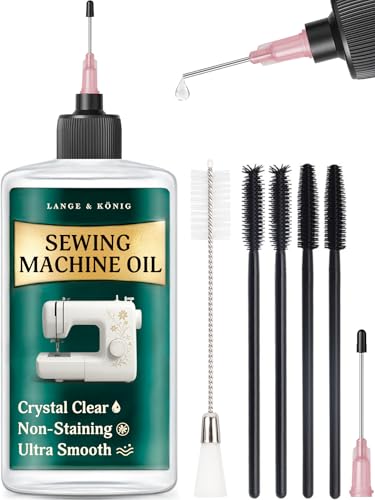
When you buy a machine from a specific manufacturer, they provide an oil formulated to work perfectly with their specific metal alloys. Brother oil is engineered to be chemically neutral, meaning it won’t react negatively with the plastic components often found near the rail tracks.
Using the manufacturer’s oil is the safest route if you are still within your warranty period or if you are nervous about damaging vintage parts. It is a "no-surprises" product that provides consistent, reliable performance.
Keep in mind that it can be harder to source than generic sewing machine oil. If you find a bottle, stock up, but don’t panic if you have to substitute it with a high-quality synthetic alternative.
Super Lube Synthetic Oil with PTFE Lubricant
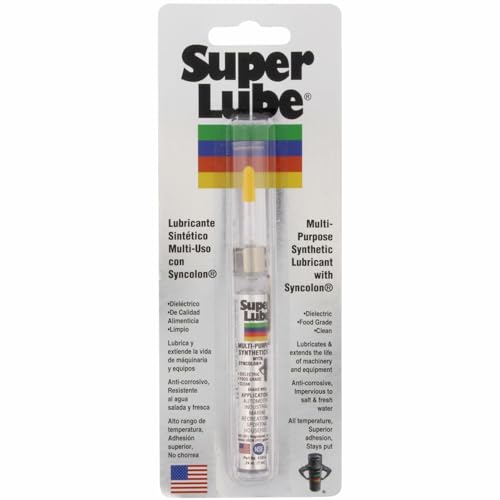
Super Lube is unique because it contains PTFE—commonly known as Teflon—which fills in microscopic imperfections on the metal surfaces of your rails. This creates an incredibly slick, low-friction surface that makes the carriage feel like it is floating on air.
If your machine is older and has slight pitting or rough spots on the needle bed, this is the best product to restore its performance. It creates a protective layer that keeps the metal from wearing down further during high-speed knitting.
Be careful not to over-apply it, as the PTFE particles can accumulate if you use too much. A very light, thin application is all that is required to see a massive improvement in carriage movement.
Tri-Flow Superior Lubricant for Metal Parts
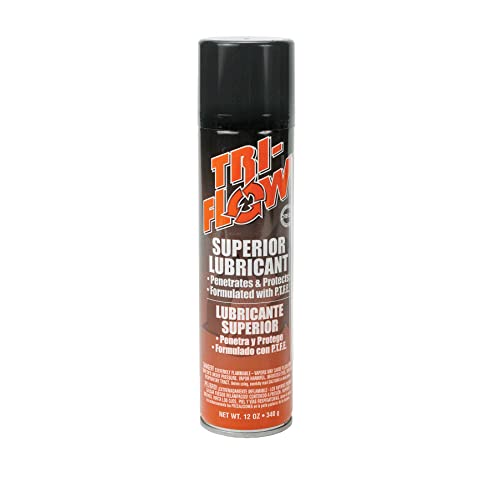
Tri-Flow is a heavy-duty lubricant that contains solvents to help clean the machine while it lubricates. It is excellent for machines that have been sitting in storage for years and may have old, hardened grease stuck in the carriage pins.
Because it acts as a cleaner, it is a great "reset" button for a machine that feels sluggish or "crunchy" when you push it across the bed. It will dissolve old gunk and leave behind a protective, high-performance lubricant.
Use this sparingly, as it is thinner than some other options and can run if applied too liberally. It is a precision tool for maintenance, not just for daily lubrication.
Why Proper Lubrication Matters for Your Carriage
A carriage is essentially a complex series of cams, levers, and springs that must act in perfect sequence to knit a stitch. If one of these components is dry, it creates drag, which forces you to use more physical effort to move the carriage.
When you struggle to move the carriage, your rhythm suffers, and your tension becomes erratic. This is especially dangerous when working with delicate fibers like silk or fine merino, where even a slight pull can cause a dropped stitch or a snag.
Regular lubrication ensures that the mechanical timing remains synchronized. It prevents the "stutter" that leads to uneven loops, ensuring your finished fabric is as smooth and consistent as possible.
How to Apply Oil to Your Knitting Machine Rails
First, always wipe down the rails with a clean, lint-free cloth to remove any dust or old fiber residue before applying new oil. If you apply oil over dust, you are essentially creating a grinding paste that will wear down your machine’s tracks.
Apply a tiny drop of oil every 10 to 20 needles along the rail, then move the carriage back and forth several times to distribute it evenly. You are aiming for a thin, nearly invisible film, not a puddle.
If you see excess oil dripping down into the needle bed, you have used too much. Use a clean cloth to wipe away the excess immediately to prevent it from staining your yarn.
Common Mistakes When Oiling Your Knitting Machine
The most common mistake is using household products like WD-40, which is a solvent, not a lubricant. WD-40 will strip away existing grease and leave your machine bone-dry, leading to accelerated wear and eventual rust.
Another mistake is neglecting the internal carriage mechanisms. While the rails are important, the cams inside the carriage also need a drop of oil occasionally to ensure they toggle smoothly when you change stitch patterns.
Finally, never mix different types of oils. If you decide to switch brands, it is best to clean the old oil off the rails first to prevent any potential chemical reactions between different additives.
Maintenance Tips for Long-Term Machine Health
Establish a routine: I always oil my machine after every major project or every 10 hours of knitting time. This ensures the machine is always ready for the next cast-on without needing a deep clean.
Keep a dedicated lint brush and a microfiber cloth in your knitting kit. Regular dusting is just as important as oiling; if you keep the machine clean, the oil will last longer and perform better.
Store your machine in a climate-controlled area if possible, and always cover it when not in use. Dust and humidity are the primary enemies of your machine’s longevity, and a simple cover can save you hours of maintenance work.
Maintaining your knitting machine is not just a chore, but an act of respect for the tool that brings your creative visions to life. By choosing the right lubricant and applying it with care, you are ensuring that your machine will remain a reliable partner for decades of projects. Whether you are knitting simple scarves or complex, multi-colored garments, a well-oiled carriage will always reward you with smoother stitches and a more enjoyable process. Keep your rails clean, your oil fresh, and your carriage gliding.