6 Best Yarn Swift Tension Bars For Uniform Cakes
Achieve perfect yarn cakes with our top 6 tension bar picks. Learn how these essential tools ensure even winding, prevent tangles, and improve your knitting.
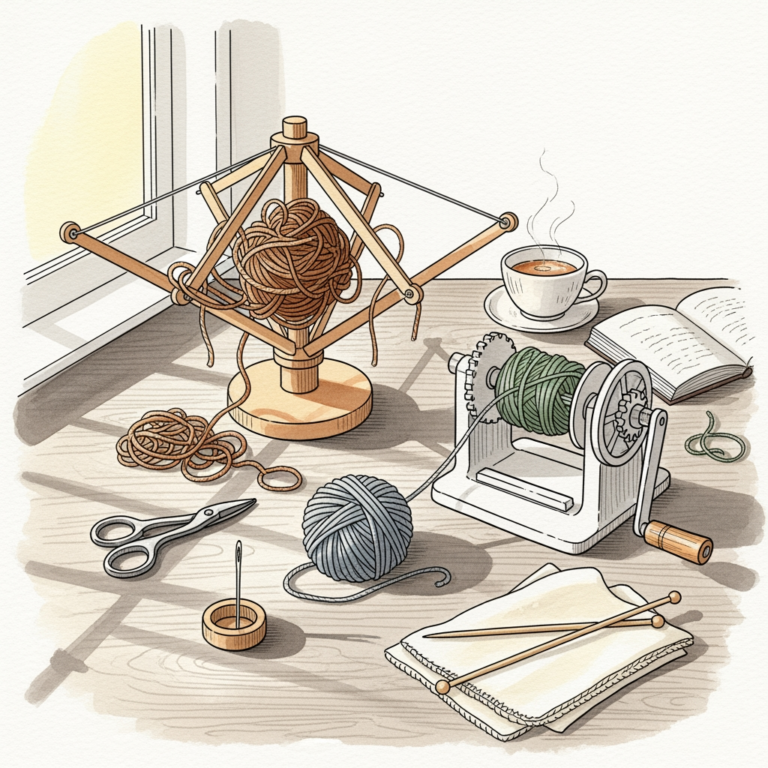
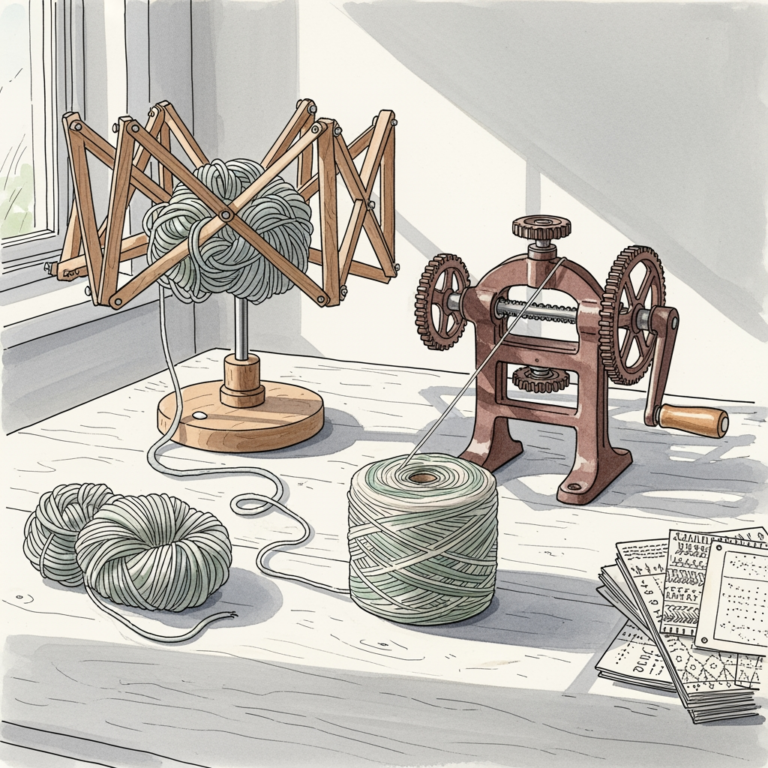
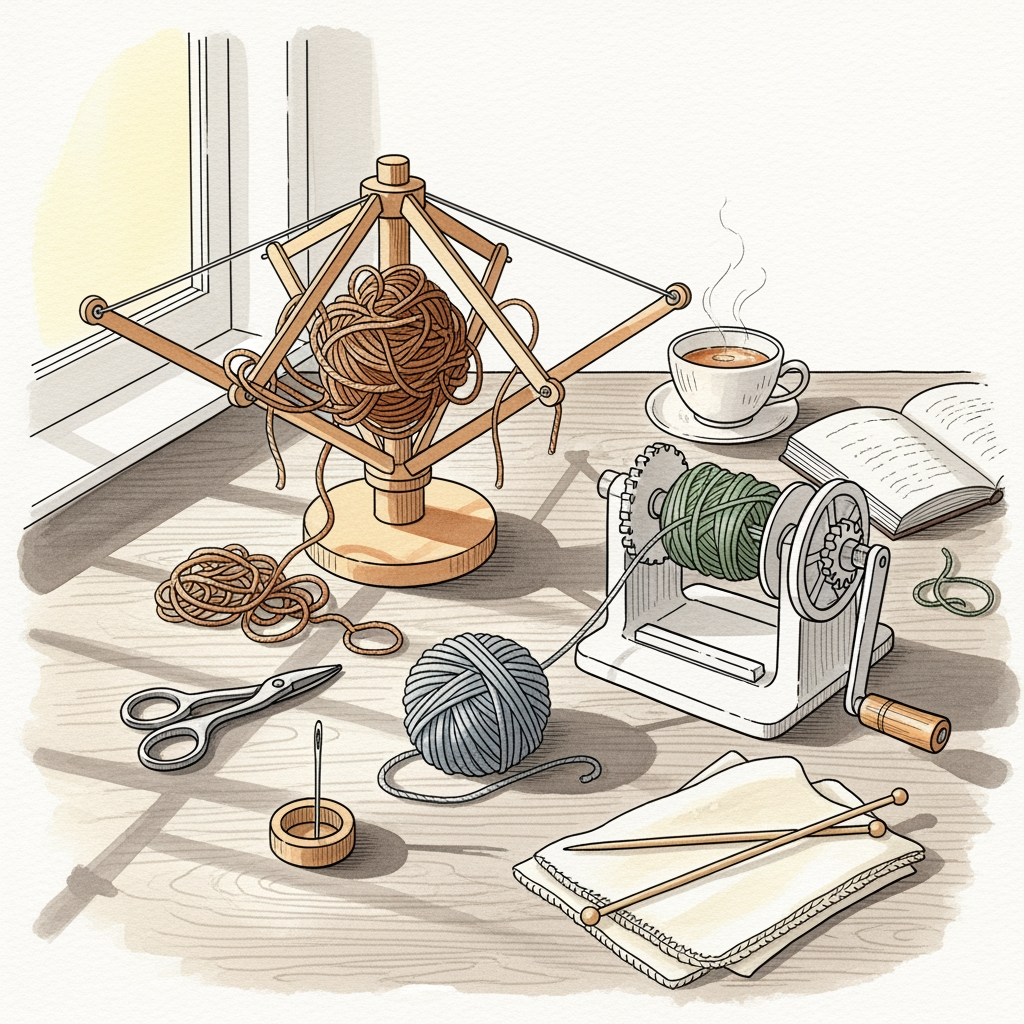
There is nothing more frustrating than a beautiful, hand-dyed skein of yarn collapsing into a tangled, chaotic nest halfway through the winding process. Achieving a professional-looking center-pull cake requires more than just a sturdy swift and ball winder; it demands precise, consistent tension control. A quality tension bar acts as the silent partner in your craft, ensuring every yard is wound with the exact amount of pull needed to prevent slack. By mastering this simple mechanical addition, you can transform your stash management from a chore into a seamless, meditative ritual.
Stanwood Needlecraft Yarn Tension Regulator


The Stanwood regulator is a staple in many studios because of its robust, heavy-duty construction. It is designed to handle everything from delicate lace-weight mohair to heavy, multi-ply wools without skipping a beat.
Its primary strength lies in the adjustable drag mechanism. By fine-tuning the resistance, you ensure that even the most slippery superwash yarns don’t slide off the swift prematurely.
This tool is a workhorse, but it does require a bit of desk space to mount properly. If your winding station is cramped, you might find the footprint a bit intrusive, but the trade-off in cake stability is well worth the room.
Lacis Yarn Swift Tension Guide Attachment

If you prefer a minimalist approach, the Lacis guide is an excellent, unobtrusive option. It focuses on keeping the yarn path straight and controlled, which is essential for preventing the "bouncing" that often leads to uneven cake density.
This attachment is particularly effective when working with hand-spun yarns that may have slight variations in thickness. Because it doesn’t apply excessive pressure, it preserves the loft of the fiber rather than crushing it into a tight, lifeless cylinder.
Be aware that this guide requires a steady hand during the initial setup. Once it is aligned with your ball winder, it performs beautifully, but it lacks the heavy-duty drag adjustment found on more complex units.
KnitPicks Yarn Swift Tension Control Arm
The KnitPicks arm is designed with the budget-conscious knitter in mind, offering a straightforward solution for those who wind yarn only occasionally. It is lightweight and easy to detach, making it perfect for makers who need to clear their table after a winding session.
While it is simpler than professional-grade equipment, it serves its purpose well for standard worsted and DK weight yarns. It provides just enough resistance to keep the yarn taut, which is the baseline requirement for a successful center-pull cake.
Do not expect it to handle high-friction or very sticky fibers with the same grace as a premium metal arm. If you are winding large, heavy skeins, you may need to supplement this tool with a bit of manual guidance.
Nancy’s Knit Knacks Yarn Tensioner Tool
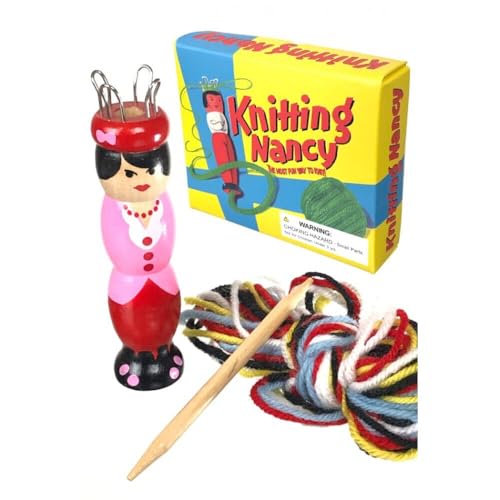
Nancy’s Knit Knacks is legendary for precision, and their tensioner tool reflects that reputation for excellence. It is engineered to provide a consistent, repeatable level of drag, which is a game-changer if you are winding multiple skeins for a large project.
The build quality is exceptional, featuring smooth surfaces that won’t snag delicate fibers like silk or alpaca. It is an investment piece, certainly, but one that eliminates the guesswork that leads to "spongy" cakes that fall apart in your project bag.
This tool is best suited for the dedicated knitter who values efficiency and consistency above all else. If you find yourself winding yarn weekly, this is the upgrade that changes the entire experience.
Ashford Yarn Swift Tensioning Accessory
Ashford has a long history of supporting fiber artists, and their tensioning accessory is built to integrate seamlessly with their ecosystem of tools. It is a reliable, no-nonsense piece of equipment that prioritizes durability and ease of use.
The tensioning mechanism is intuitive, allowing you to quickly switch between different yarn weights. It excels at maintaining a steady pull, which is vital when you are working with long-yardage skeins that can easily become tangled.
It is a fantastic choice for those who already own other Ashford equipment, as the mounting hardware is highly compatible. Even if you use a different brand of swift, the design is versatile enough to adapt to most standard setups.
Strauch Fiber Equipment Tensioning Guide
For the serious fiber enthusiast or the small-scale indie dyer, the Strauch guide is the gold standard. It is built to withstand heavy, continuous use, providing a level of tension control that is unmatched in the hobbyist market.
The precision of the tension adjustment allows you to handle even the most problematic yarns, such as loosely spun singles or highly elastic nylon blends. It ensures that the yarn is guided onto the winder with perfect alignment, resulting in a cake that is structurally sound from core to outer edge.
It is a significant purchase, but it is effectively a lifetime tool. If you are serious about the longevity of your stash and the quality of your winding, this is the pinnacle of performance.
Why Consistent Tension Matters for Yarn Cakes

Consistent tension is the secret to a cake that holds its shape until the very last yard. When tension fluctuates, you create "soft spots" in the cake, which can cause the center to collapse or the entire structure to become lopsided.
A stable cake is not just about aesthetics; it is about preventing tangles. When a cake is wound too loosely, the yarn can slip behind the cake, creating a "yarn barf" situation that can take hours to untangle.
Conversely, winding too tightly can stretch the yarn, especially if it contains elastic fibers like nylon or Lycra. This can permanently alter the gauge of your finished garment, leading to unexpected results when you finally block your project.
How to Install a Tension Bar on Your Swift

Proper installation starts with alignment; the yarn path must be a straight line from the swift, through the tension bar, and onto the winder. If the angle is too sharp, you will create unnecessary friction that can damage delicate fibers.
Secure the base firmly to your table to prevent wobbling during the winding process. A vibrating or shifting tensioner will cause the yarn to jump, creating uneven layers that will inevitably lead to a messy cake.
Once mounted, perform a "dry run" with a scrap piece of yarn to test the drag. Adjust the tension until you feel a gentle resistance, ensuring the yarn moves smoothly without snapping or dragging excessively.
Troubleshooting Common Yarn Winding Issues
If your cake is collapsing, the most common culprit is insufficient tension during the initial winding phase. Try increasing the drag on your tensioner slightly to ensure the yarn is pulled firmly onto the winder’s cone.
If the yarn is snapping, your tension is likely set too high, or there is a snag in the path. Check the guide eyes for any rough spots or buildup of fiber dust that might be catching the yarn as it passes through.
For slippery yarns like silk or bamboo, the yarn may slide off the swift arms too quickly. In these cases, you may need to add a bit of friction to the swift itself, or simply slow down your winding speed to maintain better control.
Essential Tips for Perfect Center-Pull Cakes
Always wind your yarn at a consistent, moderate speed. Rushing the process is the fastest way to invite tangles and uneven tension, regardless of how high-quality your equipment is.
Keep an eye on the "yarn feed" as you wind. If you notice the yarn twisting or looping before it hits the tensioner, stop and untwist it, as these twists will be locked into the cake and create issues while you are knitting.
Finally, remember to let your yarn "rest" for a few hours after winding. Especially with animal fibers, the winding process introduces tension that needs time to relax before you begin your project, ensuring your gauge remains true to your pattern.
Investing in a quality tension bar is one of the most practical upgrades you can make for your knitting practice. By removing the mechanical stress of manual winding, you free yourself to focus on the joy of the craft rather than the frustration of a tangled mess. Choose a tool that matches your winding frequency and fiber preferences, and you will find that your yarn cakes become as reliable as they are beautiful. Happy winding, and may your yarn always flow smoothly from the swift to your needles.