6 Best Sewing Needles For Sewing Seams To Try
Mastering seams requires the right tools. Discover our top six sewing needle picks, chosen for their precision, durability, and fabric-specific performance.
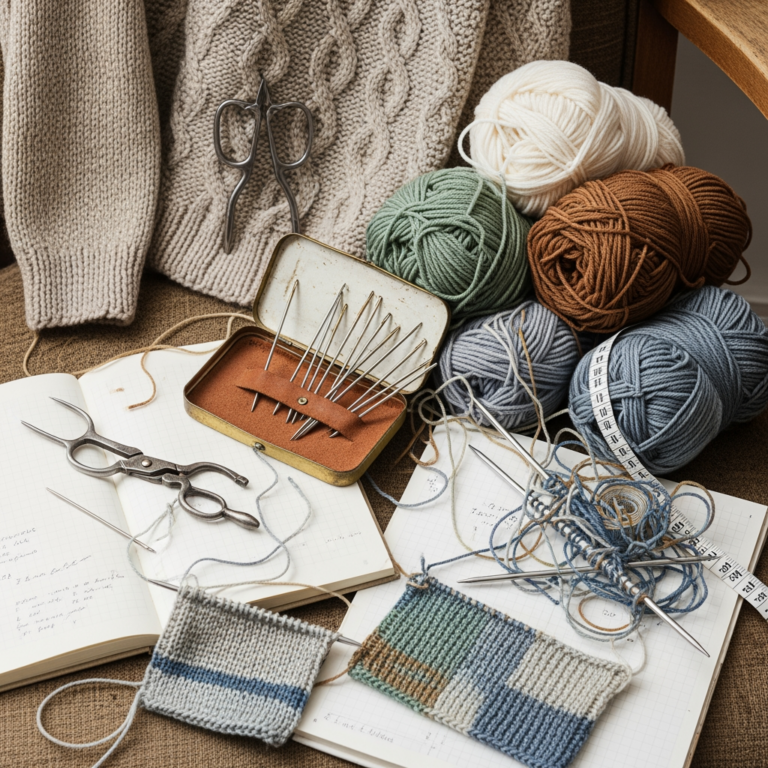
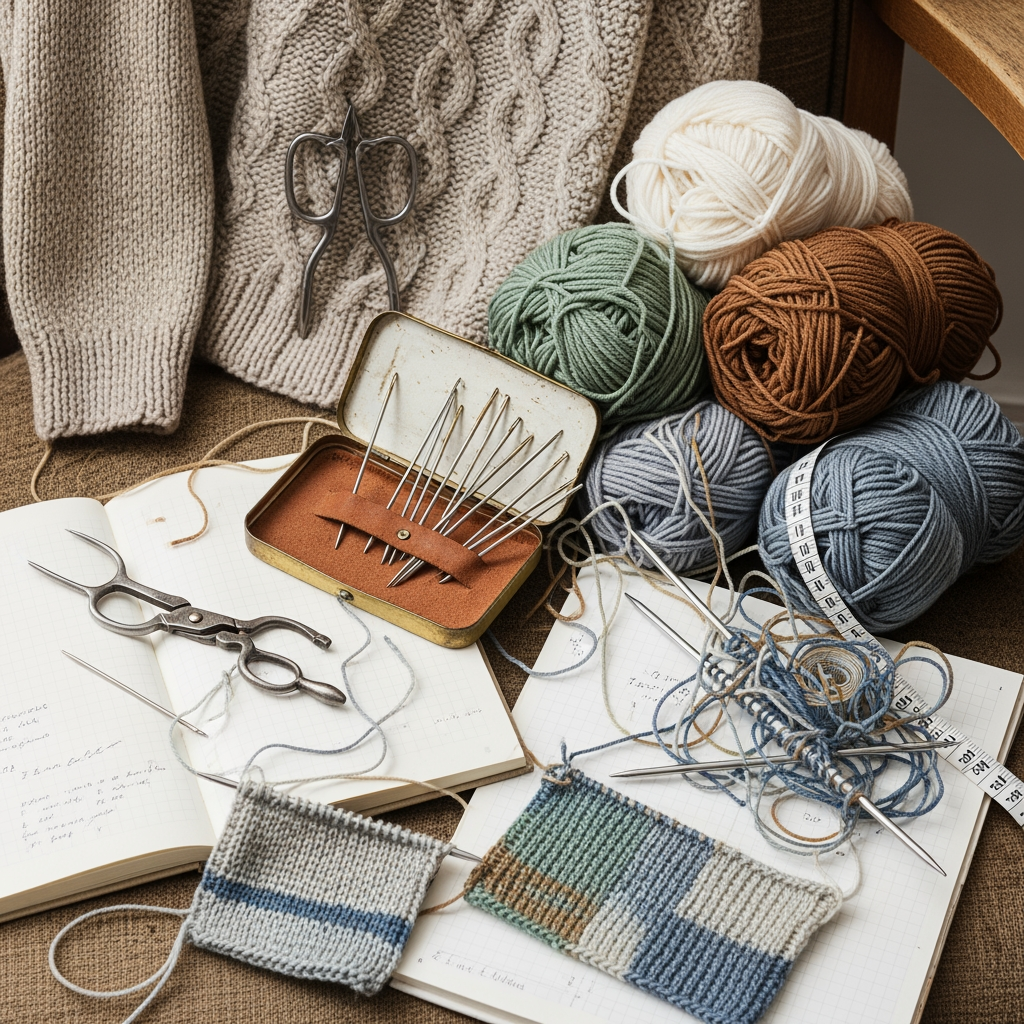
Finishing a project is the most rewarding part of knitting, but the way you seam your pieces can make or break the final look. Using the wrong needle often leads to snagged fibers, uneven tension, or bulky edges that ruin your hard work. After two decades at the needles, I have learned that the right tool acts as a seamless extension of your fingers. Here are the best needles to ensure your seams look as professional as your stitches.
Clover Chibi Bent Tip Tapestry Needles: Best Overall


These needles are a staple in my notions bag for a reason. The signature bent tip allows you to slide under stitches with incredible ease, making it effortless to pick up the bars of a mattress stitch without accidentally splitting your yarn.
The set comes in a convenient, sturdy case, which is a lifesaver for those of us who tend to lose small tools between couch cushions. Because they are made of a smooth, nickel-plated steel, they glide through most fibers—from rustic wools to slippery bamboo blends—without creating friction.
For a knitter who works on a variety of projects, these are the most versatile choice. They handle everything from bulky sweaters to delicate baby garments with equal grace.
Dritz Finishing Needles: Best for Heavy Yarns
When you are working with chunky, super-bulky, or novelty yarns, standard tapestry needles often feel like trying to thread a rope through a needlepoint tool. Dritz finishing needles provide the larger eye and sturdier gauge required to accommodate thick plies without fraying the yarn.
The slightly larger size makes them much easier to grip, which is a significant advantage if you struggle with hand fatigue or arthritis. They are rugged and reliable, designed to withstand the tension required to pull heavy yarn through a dense seam.
While they may be too large for fine lace or fingering weight projects, they are the gold standard for heavy-duty construction. If you are seaming a thick, cabled fisherman’s sweater, these will save you a world of frustration.
Bohin France Tapestry Needles: The Quality Standard

Bohin needles are widely regarded as the best in the industry for a reason: their steel is exceptionally smooth and incredibly durable. They do not bend or snap under pressure, and the eyes are polished so well that they never snag your precious hand-dyed wool.
These needles offer a "premium" feel that makes the often-tedious process of weaving in ends or seaming feel like a luxury experience. They come in a wide range of sizes, allowing you to match the needle diameter perfectly to your yarn weight.
If you are working on a high-end project, like a cashmere cardigan or a complex colorwork piece, don’t skimp on the needle. A Bohin needle ensures that you aren’t damaging the integrity of the fiber while finishing.
Cocoknits Steel Stitch Needles: Best for Precision
Cocoknits has mastered the art of the minimalist, functional tool. These steel needles are particularly excellent because they are nylon-coated, which provides just enough "grip" to keep the yarn from sliding out of the eye while you work.
The set includes a variety of sizes, which is essential for those who switch between different yarn weights frequently. They are thin enough to navigate tight, intricate seams but strong enough to hold their shape over time.
I reach for these when I am doing precision work, such as joining shoulder seams on a garment with a very specific gauge. The quality of the finish they provide is consistently clean and professional.
Tulip Tapestry Needles: Best for Smooth Stitching
Tulip needles are crafted in Hiroshima, Japan, and they are famous for their polished, tapered tips. They pierce through fabric with almost zero resistance, which is a dream when you are trying to achieve an invisible seam on a dense fabric.

The steel is treated to be resistant to rust and corrosion, meaning these will last for years if you treat them well. They have a subtle, high-quality finish that prevents them from "grabbing" at the fibers of your knitwear.
If you find that your current needles feel "sticky" or cause your yarn to pill, switch to Tulip. The difference in the glide is immediate and noticeable, especially on sticky mohair or delicate alpaca.
Susan Bates Finishing Needles: Best Budget Choice
Susan Bates is a classic for a reason: they are accessible, affordable, and get the job done. These needles are a great "workhorse" option to keep in your project bag for when you just need to get the job done quickly.
They are generally made of a sturdy steel alloy that resists bending well. While they might not have the polished, high-end feel of a Japanese-made needle, they are perfectly functional for everyday seaming tasks.
If you are a beginner knitter or someone who tends to leave needles in projects, these are the best value. You can buy a pack and keep them stashed in every project bag you own without breaking the bank.
Why Using the Right Needle Matters for Seaming
Seaming is the structural backbone of your garment. If your needle is too thick, it will stretch out your stitches and create holes; if it’s too blunt, it will split the yarn, leading to pilling and eventual breakage.
Using the wrong tool often leads to "seam fatigue," where you avoid finishing your projects because the process feels clunky. A proper needle allows you to move with rhythm and confidence, ensuring your seams are as elastic and durable as the knitting itself.
Ultimately, the needle is the final instrument in your knitting toolkit. Respecting the relationship between your needle size and your yarn weight is the secret to a garment that looks store-bought rather than "homemade."
Understanding Eye Size and Yarn Weight Pairing
The golden rule of seaming is that the eye of the needle should be large enough to hold your yarn comfortably, but the shaft of the needle should be thin enough to pass through your stitches without distortion.
- Fingering weight: Use a size 22 or 24 tapestry needle.
- Worsted weight: A size 18 or 20 is usually the sweet spot.
- Bulky weight: Opt for a size 16 or even a specialized yarn needle.
If you have to force the yarn through the eye, you will fray the fiber and weaken the seam. Conversely, if the needle is too thick, you will permanently distort your carefully crafted gauge.
Bent Tip vs. Straight Needles: Which to Choose?
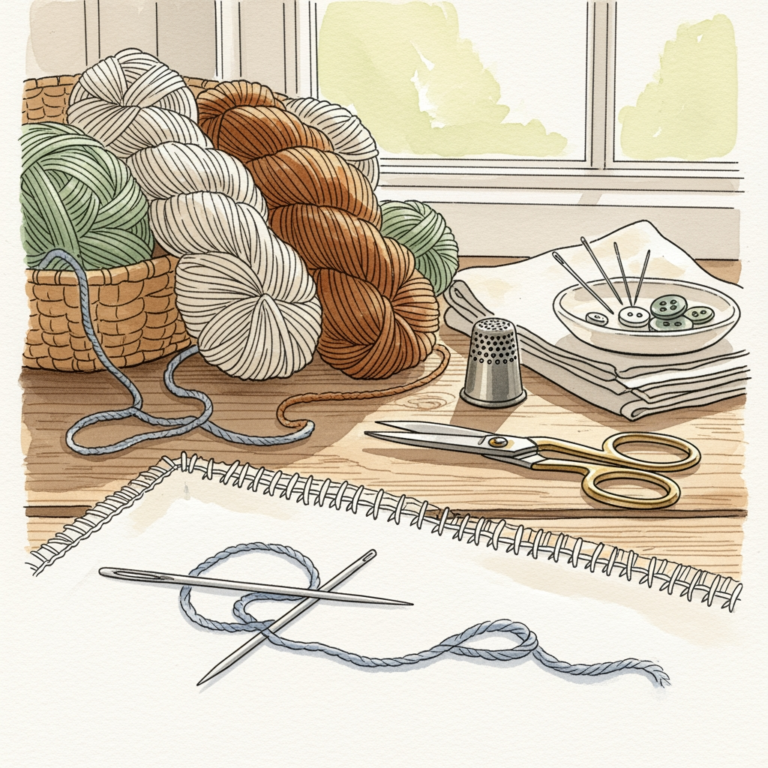
Bent tip needles are specifically designed to make picking up bars for the mattress stitch easier. By angling the tip, you can slide the needle along the edge of your knitting without having to lift the fabric off the table.
Straight needles, however, are better for darning in ends or working through dense, flat areas where you need to weave in and out of the fabric. I recommend keeping both in your kit, as they serve different mechanical purposes.
If you are a beginner, start with a bent tip needle. It removes a significant amount of the physical struggle associated with aligning two edges of knitting.
Essential Tips for Achieving Invisible Seams
The secret to an invisible seam is tension control. Do not pull your yarn too tight, or your seam will pucker; leave it just snug enough to hold the edges together while maintaining the natural drape of the fabric.
Always use the same yarn you used to knit the project for seaming, unless that yarn is too fragile. If you must use a different yarn, ensure it is of a similar weight and fiber content to prevent uneven pulling.
Finally, always block your pieces before seaming. Blocking relaxes the stitches and makes the edges much easier to align, which is the most important step in achieving a professional-looking result.
Choosing the right needle is a small investment that pays off every time you finish a sweater. Whether you prefer the precision of a Cocoknits needle or the utility of a Clover bent tip, finding your favorite tool will make your knitting journey much smoother. Don’t be afraid to experiment with different sizes and shapes until you find what feels best in your hands. Happy seaming, and may your ends always be woven in securely!