6 Best Needle Pushers For Manual Stitch Selection
Master manual sewing with our top 6 needle pushers. Discover precise, durable tools that simplify stitch selection and enhance your craft’s overall quality.
Every seasoned knitter knows that the difference between a relaxing evening of lace work and a session of hand cramps often comes down to the tools in your kit. While we obsess over yarn weights and needle materials, the humble needle pusher is the unsung hero of manual stitch manipulation. These small accessories provide the leverage needed to maneuver stubborn stitches without straining your fingers. Mastering these tools can transform your workflow and protect your joints during long, repetitive projects.
ChiaoGoo Stainless Steel Needle Pusher Tool


ChiaoGoo is renowned for precision, and their stainless steel pusher is no exception to that reputation. It offers a sleek, minimalist design that feels virtually weightless in your hand while providing a solid surface for nudging stitches along.
Because it is made of surgical-grade stainless steel, it is incredibly durable and will not bend under pressure. This makes it an ideal choice for knitters working with tight gauges or heavy-ply yarns that require extra force to advance.
However, the smooth metal surface can be slippery if your hands tend to sweat during intense knitting sessions. If you prefer a tactile, grippy feel, you might find this tool slides against your skin more than you would like.
Clover Knitting Needle Point Protectors & Pushers
Clover’s approach combines utility with the soft, pliable texture that many knitters find comforting. These are often dual-purpose, acting as both a point protector to keep your stitches from sliding off and a pusher to assist with manual stitch selection.
The soft rubberized material provides excellent friction, which is a massive advantage when working with slick metal needles. It ensures your fingers have a stable landing pad, reducing the "slip" factor that often leads to hand fatigue.
The tradeoff here is the bulk; these are significantly larger than metal alternatives. If you are working on a dense, intricate cable pattern, the added size might feel cumbersome or block your view of the stitch definition.
Susan Bates Needle Pusher for Manual Stitching

Susan Bates has been a staple in knitting bags for generations, and their pusher is a classic for a reason. It is designed with a specific shape that mimics the natural contour of your fingertip, making it feel like a natural extension of your hand.
This tool is particularly effective for knitters who suffer from arthritis or repetitive strain injuries. The ergonomic shape allows you to apply pressure across a wider surface area of your finger rather than concentrating it on a single point.
While it is highly functional, the plastic construction can feel a bit lightweight for some. If you are a "heavy-handed" knitter who likes to feel the weight of your tools, you may find this option lacks the substantial feedback of a metal pusher.
Addi Needle Grips and Stitch Pushing Accessories
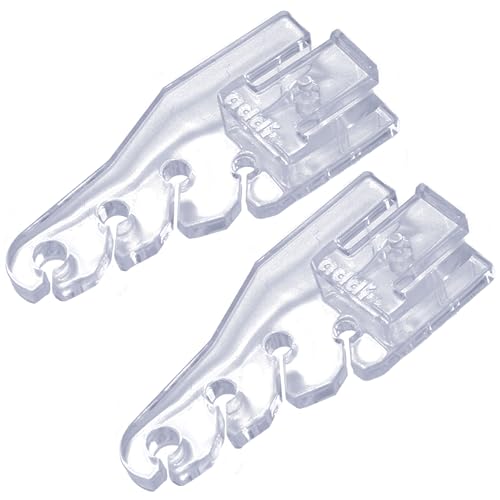
Addi is the gold standard for many, and their needle grips are designed with the high-speed, high-performance knitter in mind. These are often textured to provide maximum control, which is essential when you are working with slippery lace-weight yarns.
The grip design is specifically engineered to prevent the "pushing" finger from slipping off the end of the needle. This is a game-changer when you are working on circular needles and need to advance a large number of stitches quickly.
Be aware that these grips are often sized specifically for Addi’s own needle line. If you have a diverse collection of needle brands, check the diameter compatibility before investing to ensure a snug, secure fit.
Boye Ergonomic Needle Pusher for Hand Knitting
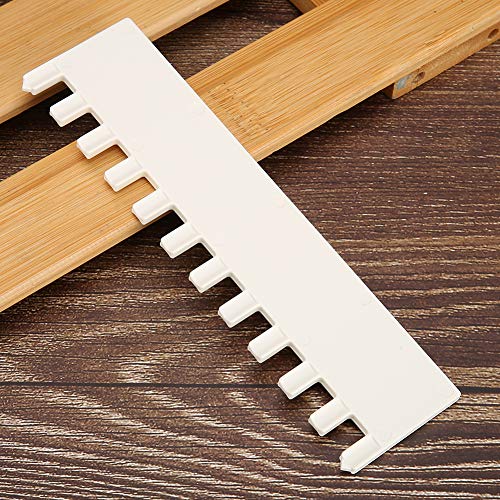
The Boye ergonomic pusher focuses on the mechanics of the hand, aiming to keep your joints in a neutral position while you work. It is a fantastic entry-level tool for beginners who are just starting to experience the strain of long-duration knitting.
Its design is straightforward and unpretentious, prioritizing function over aesthetic flair. It works well for standard wool and acrylic blends, providing enough resistance to help you move stitches without damaging the fiber.

If you are working with delicate fibers like mohair or silk, however, be mindful of the edges. Some molded plastic pushers can have slight seams; a quick pass with a fine-grit sandpaper can smooth these down to prevent snagging your yarn.
Prym Needle Pusher for Precision Stitch Control

Prym’s offering is all about the details, featuring a design that helps with precise stitch placement. This is vital when you are performing complex maneuvers like decreases, increases, or picking up stitches along a neckline.
The material used by Prym is generally firm yet slightly yielding, offering a "Goldilocks" level of resistance. It provides enough grip to move the needle efficiently, but it doesn’t leave your finger feeling sore after hours of use.
This tool is particularly well-suited for fine-gauge knitting where there is very little room for error. If you are working on a pair of socks with 2.25mm needles, the precision tip of the Prym pusher is a significant asset.
Why Use a Needle Pusher for Complex Stitching
When you are working on intricate patterns like cables or lace, the physical demand on your hands increases exponentially. A needle pusher allows you to delegate the "pushing" force away from your delicate joints and onto a tool designed for that specific stress.
Many knitters mistakenly believe that using a tool is "cheating" or a sign of poor technique. In reality, it is a smart preservation strategy that allows you to knit for more years without developing chronic pain.
If you find yourself constantly pushing the needle tip with your bare skin, you are likely causing micro-trauma to your fingertips. Using a pusher distributes that force evenly, keeping your skin intact and your stitches consistent.
Choosing the Right Material for Your Needle Pusher
The material of your pusher should align with the material of your needles and your personal knitting style. Metal pushers are excellent for durability and working with high-tension projects, but they offer less "grip."
Rubber or silicone pushers are superior for preventing slippage, especially when you are using polished nickel or bamboo needles. However, they can attract dust and lint, requiring more frequent cleaning to remain effective.
Consider your yarn fiber as well; if you are working with a sticky wool, you might need a smoother, harder pusher to help the stitches slide. If you are using a slippery silk or bamboo blend, a grippier surface will give you the control you need to keep your tension even.
Ergonomic Benefits of Using a Needle Pusher Tool
The primary goal of any ergonomic tool is to keep your hands, wrists, and fingers in a neutral, relaxed posture. When you push a needle with your bare finger, you often subconsciously tense your entire hand, which leads to fatigue.
A well-designed pusher allows you to use the strength of your hand’s structure rather than the small, fragile muscles of your fingertip. This is particularly important for knitters who prefer Continental style or other high-speed methods.
Remember to take regular breaks, even when using ergonomic tools. No tool can replace the need for movement, stretching, and letting your hands rest after a productive session of knitting.
Maintaining and Cleaning Your Knitting Notions
Like any other tool, your needle pusher will perform better if it is kept clean and in good condition. Silicone and rubber pushers should be wiped down with a damp cloth to remove the oils from your hands, which can make them gummy over time.
Metal pushers are generally low-maintenance but should be checked for any burrs or rough spots that could snag your yarn. If you notice a rough edge, a quick buff with a jewelry polishing cloth will restore it to a smooth finish.
Store your pushers in a dedicated notions tin so they don’t get lost in the bottom of your project bag. Keeping your tools organized ensures that when you hit a tricky section of your pattern, you have the right aid immediately at your fingertips.
The right needle pusher is a small investment that pays dividends in comfort and project quality. By understanding how different materials and designs interact with your specific needles and yarn, you can choose a tool that truly enhances your craft. Don’t be afraid to experiment with different styles until you find the one that feels like a natural extension of your hand. Happy knitting, and may your stitches always slide smoothly.