6 Best Wool Conditioners For Softening Scratchy Yarn
Tame scratchy fibers with our top six wool conditioners. Learn how to soften your yarn effectively while maintaining quality and extending your project’s life.
There is nothing more heartbreaking than finishing a labor-intensive wool sweater only to find it feels like a scouring pad against your neck. Scratchy yarn is often a result of fiber structure or processing, but it doesn’t have to be a permanent state for your finished projects. With the right conditioning treatment, you can soften even the most stubborn wool and transform your hard work into a wearable heirloom. This guide explores the best products to help you reclaim your comfort and enjoy the fruits of your knitting labor.
Eucalan Delicate Wash: Best Overall Softener
Eucalan is a staple in my knitting bag, and for good reason. It contains lanolin, the natural oil found in sheep’s wool, which serves to replenish the fiber after it has been stripped during the scouring process.
When you soak a garment in Eucalan, the lanolin acts as a conditioner, smoothing down the microscopic scales on the wool fibers. This creates a softer, more supple fabric that feels significantly less abrasive against sensitive skin.
It is a no-rinse formula, which saves your delicate stitches from unnecessary agitation. Just soak, squeeze, and block—it’s the most reliable way to turn a stiff, rustic wool into something truly cozy.
Soak Wash: Best Rinse-Free Botanical Formula
Soak is the go-to choice for knitters who prefer a clean, botanical approach without synthetic additives. It is incredibly gentle and leaves behind almost no residue, making it ideal for those with skin sensitivities.
The formula is designed to be efficient; you simply submerge your project for fifteen minutes and press the water out. I often reach for this when blocking lace shawls where I don’t want any heavy oils weighing down the delicate drape of the yarn.
While it doesn’t have the heavy-duty conditioning power of a lanolin-based wash, it excels at relaxing the fibers. It is the perfect balance of convenience and care for your everyday knits.
Kookaburra Wool Wash: Best for Gentle Cleaning


Kookaburra is a unique, tea-tree oil-based wash that focuses on deep cleaning while maintaining the integrity of the fiber. It is particularly effective if you are working with vintage yarn or thrifted wool that needs a thorough refresh.
The tea tree oil provides a natural, refreshing scent that masks the "wet wool" smell that can sometimes occur during the blocking process. It is highly concentrated, so a little goes a long way, which is a big plus for those of us with massive stashes.
It is worth noting that Kookaburra is more of a cleanser than a heavy-duty softener. If your yarn is exceptionally scratchy, you might want to follow up with a dedicated conditioning spray or a light lanolin treatment.

The Laundress Wool & Cashmere: Premium Care
If you are working with luxury fibers like cashmere, alpaca, or fine merino, The Laundress offers a sophisticated level of care. It is formulated to protect the proteins in natural fibers, preventing the matting that often makes wool feel rough.
This wash is essentially a spa treatment for your knits. It works to nourish the fiber, keeping it soft and resilient over years of wear. It is a more expensive option, but for that heirloom-quality cabled sweater, it is worth the investment.
The sophisticated scent is a nice touch, but the real benefit is the long-term fiber health. Using this consistently will help prevent the premature pilling that ruins the look and feel of high-end garments.
Unicorn Fibre Wash: Best for Tough Fibers
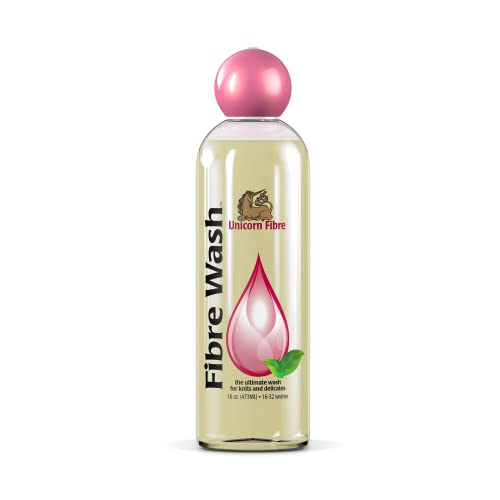
Unicorn Fibre Wash is a powerhouse for those rustic, high-micron wools that feel almost painful to wear. It is designed to be a "deep clean" that strips away dirt while simultaneously softening the fiber structure.
I recommend this for projects that have been sitting in storage or for wool that hasn’t been processed with modern softening techniques. It is highly effective at "opening up" the fiber, allowing the stitches to bloom and relax into a cohesive fabric.
Because it is so effective, you must be careful with the dosage. Using too much can make your yarn feel slightly slippery, so start with the recommended amount and adjust based on your specific yarn’s reaction.
Eucalan Lavender: Best Scented Conditioning
This is the classic Eucalan formula infused with essential lavender oil. For many knitters, the scent of lavender is synonymous with the care and preservation of handmade textiles.
Beyond the pleasant aroma, the lavender oil acts as a natural moth repellent. This makes it an excellent choice for items you plan on storing away during the warmer months, such as heavy winter cardigans or wool socks.
The conditioning properties remain identical to the unscented version, providing that essential lanolin boost. It is a functional, multi-purpose product that protects your hard work from both scratchiness and pests.
Why Some Wool Yarns Feel Scratchy on the Skin
Scratchiness is usually a function of the fiber’s "micron count," which refers to the diameter of the individual wool hair. Coarser wool fibers have a higher micron count, and when these fibers are short and stiff, they poke the skin rather than bending.
Another factor is the "crimp" and the way the yarn is spun. A tightly twisted, high-twist yarn will always feel firmer and potentially scratchier than a loosely spun, woolen-spun yarn, even if the fiber quality is the same.
Lastly, consider the processing history of the yarn. Many commercial yarns are treated with harsh chemicals to make them "superwash," which can sometimes strip the natural oils that keep the fiber soft and pliable.
How Conditioning Transforms Your Finished Knits
Conditioning is the final, essential step in the blocking process. When you soak a finished project, you are allowing the fibers to relax from the tension of being stretched and looped on your needles.
The conditioner acts as a lubricant for the fibers, allowing them to slide against each other rather than catching. This is what makes a sweater "bloom"—the fibers expand to fill the gaps between stitches, resulting in a softer, more uniform fabric.
Think of it like conditioning your own hair; it smooths the cuticle and adds moisture. The result is a garment that feels supple, drapes beautifully, and is infinitely more comfortable to wear against the skin.
Step-by-Step Guide to Soaking Your Wool Projects
- Fill a basin with cool to lukewarm water and add the recommended amount of wool wash.
- Submerge your project gently, pushing it down until it is fully saturated, and let it soak for at least 15 to 20 minutes.
- Do not agitate the wool, as friction in water is what causes felting; simply let the soap do the work.
- Drain the basin and gently press the water out of the project; never wring or twist the fabric.
- Roll the project in a clean, dry towel to absorb the excess moisture before laying it flat to dry.
Essential Tips for Drying Delicate Woolens Safely
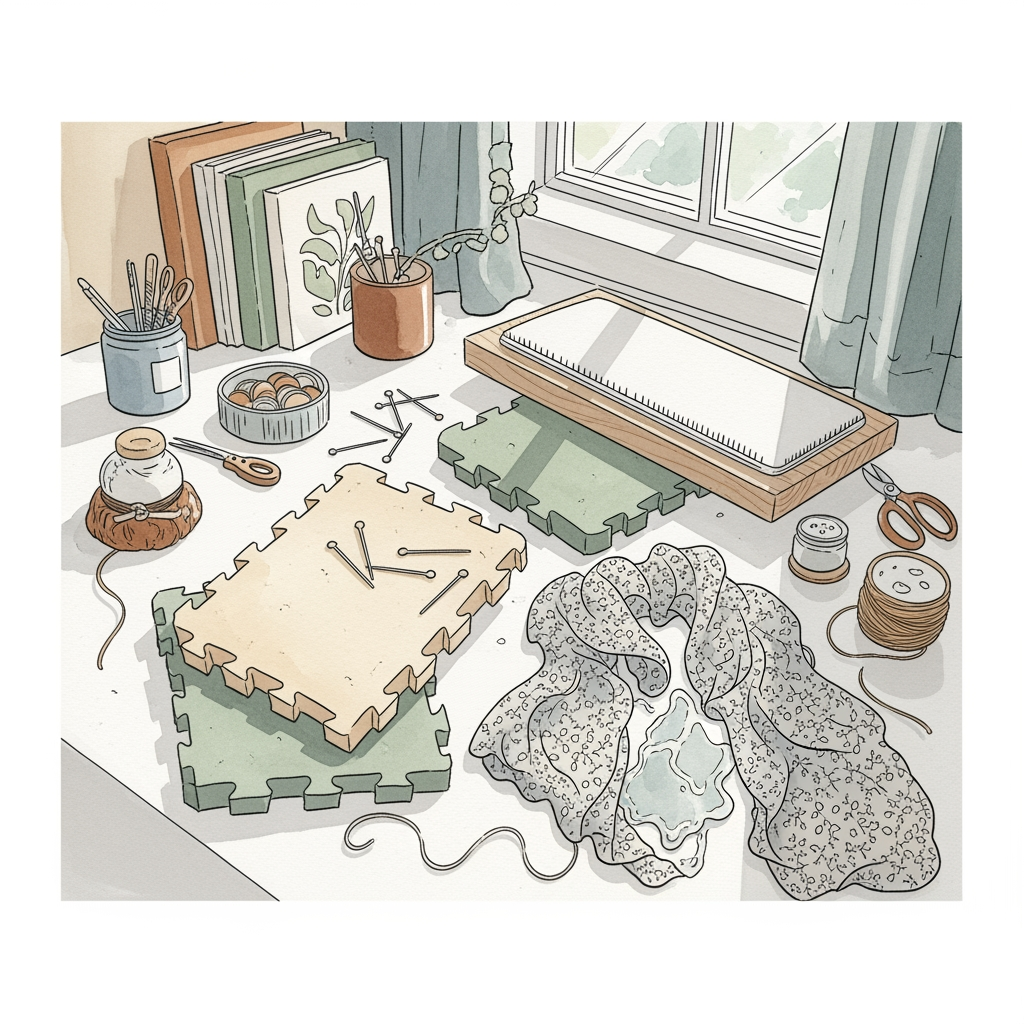
Always dry your wool flat on a moisture-resistant surface, such as a blocking mat or a flat drying rack. Drying on a hanger is a recipe for disaster, as the weight of the wet wool will cause the garment to stretch and lose its shape permanently.

Ensure there is adequate airflow beneath the garment. If you are drying on a solid surface, prop it up slightly or rotate the piece halfway through to prevent the underside from staying damp too long, which can lead to a musty smell.
Keep your drying project out of direct sunlight. Intense UV rays can break down the fibers and fade the color of your yarn, effectively undoing all the careful work you put into selecting the perfect colorway.
Transforming scratchy, stiff yarn into a soft, wearable fabric is one of the most rewarding skills a knitter can master. By selecting the right conditioning wash and following proper blocking techniques, you can ensure your projects are as comfortable as they are beautiful. Remember that every fiber is unique, so don’t be afraid to experiment with these products to see which works best for your specific taste and yarn stash. Happy knitting, and may your future projects always feel as good as they look.