6 Best Design Walls For Layout Visualization Options
Discover the top 6 design walls for layout visualization. Explore versatile options to streamline your creative process and enhance your project planning today.
Stepping back to look at your project layout is just as vital as checking your gauge before starting a sweater. A design wall acts as a vertical workspace, allowing you to audition color sequences and block placement without the physical strain of crawling on the floor. Whether you are arranging complex intarsia motifs or auditioning yarn colorways for a stranded yoke, these tools change how you visualize your progress. This guide breaks down the best options to help you find the perfect surface for your creative process.
Fons & Porter Design Wall: Best Overall Choice
This design wall is a perennial favorite because it strikes the perfect balance between portability and structural integrity. It functions like a large, vertical canvas that grips your fiber pieces securely, preventing the accidental shifting that happens when you lay blocks out on a carpet.
The surface is designed to hold fabric pieces in place through simple friction, which is ideal for those moments when you are auditioning different yarn colors against a background. Because it is lightweight, you can easily move it around your workspace to catch the best natural light.
The bottom line is that this is a workhorse tool. If you want a reliable, no-fuss surface that allows you to see the "big picture" of your colorwork, this is your best starting point.
June Tailor Quilt Basting Spray & Board System
This system is unique because it integrates the board with the actual assembly process. It is particularly helpful if you are working on large-scale patchwork or complex appliqué projects where keeping layers aligned is a constant battle.
While it is marketed heavily toward quilters, fiber artists will appreciate the stability it provides when pinning down individual motifs. The board surface is firm, which prevents the "sag" that can occur with thinner, hanging fabric walls.
However, keep in mind that this system is more rigid than others. It is an excellent choice for the meticulous maker who values precision over extreme portability.
Steady Betty Portable Design Wall Surface
The Steady Betty is a game-changer for those who find that standard flannel surfaces don’t provide enough "grip" for heavier materials. Its specialized foam-like surface is designed to hold items firmly in place without the need for pins.
If you are someone who frequently changes their mind about color placement, the ease of simply lifting and replacing a piece on this surface is unmatched. It feels substantial and professional, making it a great choice for a dedicated studio space.
The tradeoff here is weight and storage; this isn’t something you’ll want to fold up and tuck away in a drawer every night. Treat this as a permanent fixture for your most intensive design sessions.
Fiskars Foldable Design Wall for Small Spaces


If your "studio" is actually a corner of the dining room table, the Fiskars option is your best friend. It folds down into a compact size, making it easy to store in a project bag or under a bed when you need to reclaim your space.
The surface is durable and holds tension well, even when fully extended. It is perfect for those who work on smaller, modular projects like individual squares for a blanket or a series of small colorwork swatches.
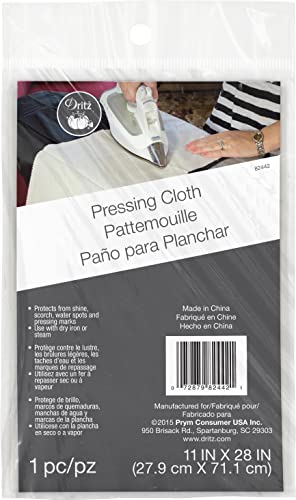
Remember that with folding options, you may deal with occasional creases. A quick steam with your iron—using a pressing cloth to protect the surface—usually clears these right up.
Quiltway Flannel Design Wall Hanging Panel

Sometimes, the simplest solution is the most effective. This is essentially a high-quality flannel sheet designed to be hung against a wall, providing a massive surface area for a very low cost.
This is ideal for the fiber artist who is working on a massive project, like a king-sized quilt or a large-scale wall hanging. You can hang it with command hooks or clips, meaning it doesn’t take up any floor space at all.
The only downside is that it lacks the internal support of a board, so it can sway if you are pinning heavy items. Use this if you have a large, empty wall and a desire for a "blank canvas" approach.
Creative Grid Portable Design Wall Solution

Creative Grids is known for precision, and their design wall is no exception. It features a grid pattern printed directly onto the surface, which is a massive help for maintaining symmetry in your work.
If you struggle with keeping your motifs aligned or ensuring your color transitions are perfectly centered, the grid acts as a built-in guide. It takes the guesswork out of the layout process, allowing you to focus on the artistry rather than the math.
It is a slightly more expensive investment, but for those who value technical accuracy, the grid is worth every penny. It turns a chaotic design phase into a structured, organized experience.
Why Every Fiber Artist Needs a Design Wall
We often spend hours swatching and checking our gauge, yet we neglect the visual layout of our larger projects. A design wall allows you to see the "flow" of color and texture in a way that a flat table never will.
When you hang your work vertically, you can step back and see the project as it will look when worn or displayed. This is essential for detecting uneven color distribution or awkward transitions in stranded colorwork.
Think of it as a mirror for your work. Just as you check the drape of a garment on a dress form, you need to check the composition of your design on a wall.
How to Choose the Right Size for Your Projects
The size of your wall should be dictated by your largest anticipated project. If you primarily knit baby blankets or small accessories, a 24-inch square surface is more than adequate.
However, if you are planning a full-sized blanket or a complex wall piece, go as large as your wall space allows. You can always work on a small project on a large wall, but you cannot fit a large project on a small wall.
Consider your storage space as well. If you don’t have a dedicated room, look for the foldable or hanging options mentioned above.
DIY Alternatives: Flannel vs. Felt Surfaces
If you are on a budget, you can easily create your own design wall using a piece of high-quality cotton flannel or felt. Flannel is generally preferred because it is softer and grips wool-based fibers more effectively.
- Flannel: Best for gripping wool, easy to source, and inexpensive.
- Felt: Sturdier, but can sometimes be too "fuzzy," making it harder to reposition pieces.
- Backing: Use a sturdy foam board or a piece of plywood covered in batting to provide the necessary structure.
The key to a DIY wall is keeping the surface taut. If the fabric is loose, your project will sag and distort, which defeats the purpose of the layout visualization.
Tips for Maintaining Your Design Wall Fabric
Your design wall will eventually attract lint, pet hair, and stray threads, which can compromise its "grip." Use a lint roller regularly to keep the surface clean and ready for your next project.
Avoid using heavy adhesives or pins that leave large holes if possible. If you do use pins, try to use fine quilting pins that won’t damage the weave of the flannel over time.
Finally, if the fabric starts to lose its "stickiness," a light brushing can help lift the fibers and restore its ability to hold your project pieces in place. Treat your wall as a tool, and it will serve your creative process for years.
Investing in a design wall is a commitment to the quality of your finished work. By moving your project from the table to the wall, you gain the perspective necessary to make informed design decisions. Choose the option that best fits your space, and you will find your creative workflow becomes significantly more fluid. Happy making, and may your layouts always align perfectly.