7 Best Rubber Thimbles For Finger Protection To Try
Protect your fingers with our top 7 rubber thimbles. This guide reviews the best durable, ergonomic options to enhance comfort and precision in your projects.
If you have ever felt the sharp sting of a needle tip piercing your fingertip during a long marathon of sock knitting, you know that finger protection is non-negotiable. Many knitters suffer through calluses or irritated skin, assuming it is just part of the craft, but it doesn’t have to be that way. A well-chosen rubber thimble can transform your experience, allowing you to maintain speed and tension without the physical toll. This guide explores the best options on the market to help you find the perfect shield for your unique knitting style.
Clover Rubber Thimble: Best Overall for Comfort


The Clover rubber thimble is a staple in many knitting bags because it balances durability with a soft, forgiving texture. It features a unique, breathable design that prevents the dreaded "sweaty finger" syndrome often associated with cheaper synthetic materials.
For those of you working with high-twist wool or unforgiving cotton yarns, this thimble provides a reliable cushion. It sits snugly on the finger without restricting blood flow, which is crucial when you are in the middle of a complex lace project that requires hours of steady focus.
The bottom line: This is the gold standard for long-term comfort. If you are sensitive to pressure or have delicate skin, start here.
Dritz Soft Comfort Thimble: Best for Grip

If you find that your yarn constantly slips when you are trying to push the needle through, the Dritz Soft Comfort thimble is your best ally. Its surface is engineered with a specific texture that catches the needle tip, providing a tactile "stop" that prevents slippage.
This is particularly useful when you are knitting with slick, nickel-plated needles or high-twist, smooth fibers like silk or bamboo. When you are working on a project with a tight gauge, the added grip allows you to exert controlled pressure without the needle skidding off your finger.
The tradeoff here is that the material is slightly firmer than others. However, the superior control it offers makes it an essential tool for precision work.
Singer Flexible Rubber Thimble: Best for Ease
The Singer flexible thimble is designed for those who want a "forget it’s there" experience. It is incredibly thin and pliable, conforming to the shape of your finger almost immediately upon putting it on.
This thimble is ideal for beginners who are still learning to manage their tension and might be pressing a bit too hard on their needles. It doesn’t add bulk, meaning you won’t lose the dexterity required to manipulate fine yarn overs or complex cable crossings.
It is a simple, no-frills tool. If you prioritize a natural feel over heavy-duty protection, this is the perfect selection for your kit.
Pony Silicone Thimble: Best for Gentle Fit

Pony’s silicone thimble stands out because of its hypoallergenic properties and its ability to stretch without losing its shape. Silicone is naturally more heat-resistant and durable than standard rubber, meaning it won’t degrade as quickly if you use lotions or hand creams while knitting.
This is a fantastic option for knitters with arthritis or joint stiffness, as the material is soft and requires very little effort to pull on and off. It provides a gentle barrier that protects the skin without creating a tight, uncomfortable seal.
It is a gentle, long-lasting choice that accommodates a wide range of finger sizes comfortably.
Hemline Rubber Thimble: Best Budget Selection
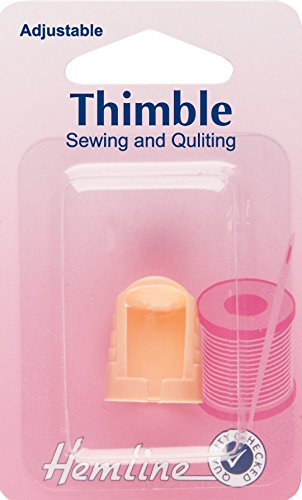
The Hemline rubber thimble proves that you don’t need to spend a fortune to get effective protection. It is a straightforward, functional tool that gets the job done without any unnecessary bells or whistles.
While it lacks the high-end ergonomics of more expensive models, it is perfectly adequate for occasional knitting or for keeping in a travel project bag. It is durable enough to handle standard worsted weight projects and provides a reliable barrier against needle tips.
If you are just starting out or need a reliable backup tool, this is an excellent, cost-effective addition to your collection.
Bohin Silicone Thimble: Best for Intricate Work

Bohin is known for precision, and their silicone thimble is no exception. It is designed to be slim enough to allow for maximum tactile feedback, which is essential when you are working on intricate stranded colorwork or delicate lace charts.
The surface of this thimble is smooth yet grippy, ensuring that you can maneuver your needles into tight stitches without the tool getting in the way. It is a favorite among professional knitters who need to maintain speed while keeping their fingers protected from repetitive needle strikes.
For the detail-oriented knitter, this thimble provides the perfect balance of protection and sensitivity.
Prym Ergonomics Thimble: Best Modern Design

The Prym Ergonomics thimble features a unique, modern shape that is contoured to the natural curve of the finger. Unlike traditional cylindrical thimbles, this one is designed to stay put, preventing the annoying rotation that often happens during a long knitting session.
Its ventilation system is top-tier, ensuring that your skin can breathe even during the warmest summer knitting days. This is a game-changer for those who find traditional thimbles too hot or restrictive.
It is a sophisticated piece of engineering that truly considers the anatomy of the hand.
Why Knitters Need Finger Protection Tools
Many knitters view a sore finger as a badge of honor, but chronic irritation can lead to skin damage and even nerve sensitivity over time. If you are knitting with fine-gauge needles—anything under 3.0mm—the constant pressure of the needle tip against your skin can cause significant discomfort.
Using a thimble allows you to maintain a consistent gauge throughout a project. When your finger hurts, you naturally change your grip or tension to avoid the pain, which can lead to uneven stitches and "rowing out" in your fabric.
Ultimately, protective tools are about longevity in the craft. By shielding your fingers, you ensure that you can keep knitting for years to come without pain.
How to Choose the Right Size Rubber Thimble
Finding the right fit is the difference between a tool that helps and a tool that hinders. A thimble that is too tight will restrict circulation, leading to cold fingers and hand fatigue, while one that is too loose will constantly slip off.
Look for a fit that is snug enough to stay in place with light movement but loose enough to slide off with a gentle tug. Keep in mind that your fingers may swell slightly due to temperature or activity, so a slightly flexible silicone or rubber material is usually more forgiving than hard plastic or metal.
Always measure the circumference of your index finger at the widest point before purchasing. If you fall between sizes, err on the side of a slightly larger fit, as you can always add a bit of grip tape inside if needed.
Maintaining Your Thimbles for Longer Life
Rubber and silicone thimbles are prone to picking up dust, lint, and natural oils from your skin, which can make them lose their grip over time. To keep them performing like new, wash them regularly with mild soap and warm water.
Avoid using harsh chemicals or abrasive scrubs, as these can degrade the material and cause it to crack or tear. Once clean, let them air dry completely before putting them back into your notions bag to prevent mold or mildew.
With proper care, a high-quality thimble can last for hundreds of hours of knitting. Keep them clean, keep them dry, and they will keep your fingers safe for years.
Investing in a quality rubber thimble is one of the smartest decisions you can make for your knitting practice. By reducing physical strain and allowing for more consistent tension, these simple tools bridge the gap between a hobby that hurts and a craft that flows effortlessly. Choose the option that best matches your project needs and your personal comfort, and you will quickly wonder how you ever knitted without one. Happy knitting, and may your stitches always be even and your fingers always protected.