6 Best Knitting Weights For Edge Stability To Try
Improve your knitting projects with these 6 essential weights for superior edge stability. Discover the best tools to prevent curling and ensure clean finishes.
Achieving perfectly straight, uniform edges on your knitting projects is the hallmark of a seasoned maker. Whether you are working on a simple garter stitch scarf or a complex lace shawl, edge stability is often the difference between a professional finish and a floppy, uneven border. Using the right weights can transform your knitting experience by keeping your stitches aligned as you work. This guide explores the best tools to help you master your tension and achieve consistent results every time you pick up your needles.
1. Clover Locking Stitch Markers: Best for Stability
Clover locking stitch markers are a staple in almost every knitter’s kit, primarily because they provide a secure, reliable hold. While they are technically markers, their locking mechanism makes them excellent improvised weights for thin projects.
If you are working with a delicate fingering weight yarn, these markers provide just enough downward pull to keep the edge from curling. They won’t sag the fabric, making them perfect for those who worry about distorting their gauge.
The locking feature is a massive advantage over standard open rings. You can snap them directly into the edge stitch, ensuring they stay put even when you set your project down in a crowded knitting bag.
2. Cocoknits Steel Stitch Markers: Best for Weight


Cocoknits steel markers are small but mighty, offering a denser feel than plastic alternatives. Because they are made of steel, they carry a surprising amount of heft for their size.
This weight is ideal for knitters who find their edges pulling inward on stockinette projects. The extra gravity helps the fabric hang straight, preventing that annoying "tube" effect that often plagues scarves and cowls.
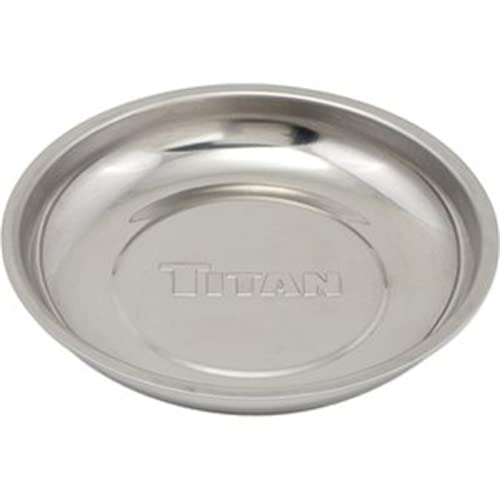
Because they are magnetic, they also offer the added benefit of being easy to store on a magnetic tray. If you have a tendency to lose your tools, these are a practical, high-utility choice that earns their place in your notions tin.
3. Katrinkles Wooden Weights: Best for Delicate Lace
When you are knitting intricate lace, you cannot afford to add heavy metal weights that might stretch or snap fine fibers. Katrinkles wooden weights are designed specifically to be lightweight and gentle on delicate yarns like mohair or silk.
Their smooth finish ensures that they won’t catch on the fuzzy halo of your yarn. This is critical, as a snagged stitch in a lace pattern can lead to a dropped stitch that is nearly impossible to pick up later.
These weights often come in charming shapes, but don’t let the aesthetics fool you. They are functional tools that provide enough structure to keep your lace pattern from bunching up while you work.
4. ChiaoGoo Magnetic Cable Pins: Best for Tension

ChiaoGoo magnetic pins are a game-changer for knitters who struggle with uneven edge tension. By clipping these directly to your cable or the edge of your work, you create a controlled, consistent pull.
This pull mimics the weight of a finished garment, allowing you to see exactly how your tension will look once the piece is blocked. It is an excellent way to troubleshoot gauge issues before you reach the halfway point of a large project.
They are particularly useful for those using circular needles. If your cable is too stiff or keeps coiling up, these magnets help weigh down the needle cord, keeping it from interfering with your hands while you knit.
5. Knitter’s Pride Rainbow Weights: Best for Balance

Knitter’s Pride Rainbow weights offer a vibrant, balanced approach to edge management. They are designed to be clipped in pairs, which helps distribute the weight evenly across the width of your knitting.
Balance is key when working on wider pieces like shawls or blankets. If you only weight one side, you risk creating a skewed, asymmetrical edge that will be difficult to fix during the final blocking process.
These are excellent for beginners who are still learning to control their tension. The visual feedback of a balanced, weighted edge helps you maintain a consistent rhythm, which is the foundation of even knitting.
6. Della Q Circular Needle Weights: Best for Utility

Della Q weights are designed with the serious knitter in mind, often featuring a clever design that allows them to double as a needle gauge or a measuring tool. They are substantial enough to provide real stability without being cumbersome.
If you are working on a heavy wool project, you need a weight that can actually hold the fabric down. These are dense enough to counteract the natural springiness of high-twist wools.
They also excel at keeping your project from sliding off the needles when you take a break. The added weight acts as an anchor, ensuring your work stays exactly where you left it until you are ready to start again.
7. How Edge Weights Improve Your Knitting Symmetry
Symmetry is often lost at the edges of a project due to the way we tension our yarn at the turn. By adding a small amount of weight, you force the edge stitches to remain open and uniform.
This is especially helpful when working with stitches that have different physical properties, such as purls versus knits. The weight prevents the edge from drawing in, which is a common issue when alternating between stitch patterns.
Ultimately, using weights creates a more predictable fabric. It allows you to trust your gauge swatch more accurately because the fabric is hanging in a way that mimics its final, blocked state.
8. Why Tension Matters for Consistent Fabric Edges
Tension is not just about how tightly you pull the yarn; it is about the consistency of your stitch size. Edge stitches are prone to being looser or tighter than the rest of the fabric, leading to edges that ripple or pucker.
Weights provide a constant, external force that helps regulate this. They act as a "third hand," holding the work in place so your own hands can focus on stitch formation rather than fighting the weight of the project.
Remember that your tension can change based on your mood, your needles, and even the ambient temperature of the room. Weights act as a stabilizing constant in an otherwise variable process.
9. Choosing Between Clip-on and Magnetic Weights
The choice between clip-on and magnetic weights usually comes down to the yarn you are using. Clip-on weights are generally more secure but can leave small indentations in delicate, high-twist yarns.
Magnetic weights, on the other hand, are non-invasive and won’t snag. However, they can be less secure on very thick or textured fabrics where the magnet might slide off.
Consider the surface of your yarn: if you are using a smooth, slippery silk, a clip-on weight is safer. If you are working with a fuzzy, rustic wool, a magnetic weight is often the better, gentler choice.
10. Caring for Your Knitting Tools and Accessories
Your knitting tools are an investment, and proper care ensures they last for years. For weights, keep them clean and free of yarn dust or fiber oils that can build up over time.
If you use metal weights, store them in a dry place to prevent any risk of oxidation or tarnishing. Wooden weights should be kept away from extreme heat or humidity to prevent warping or cracking.
Finally, always remove your weights before storing your project in a project bag for long periods. Leaving heavy weights on your fabric for months can permanently distort the tension of your edge stitches.
Mastering your edge stability is a simple yet profound way to elevate your knitting from handmade to heirloom quality. By experimenting with these various weights, you will find the perfect balance for your specific tension and yarn preferences. Remember, the best tool is the one that makes your knitting process more enjoyable and your results more consistent. Happy knitting, and may your edges always be as straight as your stitches are even.