7 Best Ergonomic Needle Grips For Arthritic Hands
Discover 7 ergonomic needle grips designed to ease arthritic pain. Learn how these tools improve comfort and dexterity for a more enjoyable stitching experience.
Knitting should be a lifelong joy, but arthritic hands can turn a relaxing hobby into a source of chronic pain. Finding the right tools isn’t just about aesthetics; it is about choosing implements that minimize inflammation and maximize your range of motion. By selecting needles designed with ergonomics in mind, you can continue to create beautiful textiles without sacrificing your physical comfort. This guide breaks down the best options to help you stay behind the needles for years to come.
ChiaoGoo Twist Red Lace: Best Overall Ergonomics
When you are working on a complex lace shawl, the last thing you need is a needle that drags or causes your hands to cramp. The ChiaoGoo Twist Red Lace needles are widely considered the gold standard because of their surgical-grade stainless steel construction. They offer a perfect balance: the tips are sharp enough for intricate maneuvers, but the surface is smooth enough to let your stitches glide effortlessly.
The real magic, however, lies in the memory-free cable. Many knitters suffer from hand fatigue simply because they are fighting the tension of a curly, stubborn cord that pulls at their wrists. These cables stay flat, allowing the weight of your project to rest on your lap rather than your joints.
If you are a knitter who tends to hold your needles with a "death grip," the weight and precision of these needles can actually encourage a lighter touch. Because the stainless steel is so consistent, you don’t have to work as hard to move your yarn across the needle. It is a premium investment, but for those with arthritis, the reduction in physical resistance is worth every penny.
Addi Swing Needles: Best for Tension Relief


The Addi Swing needles look unconventional at first glance, but their design is rooted in pure anatomical science. These needles feature a unique, curved handle that is contoured to fit the natural shape of the human palm. By providing a wider surface area for your hand to rest against, they significantly reduce the need for a tight, pinching grip.
For knitters with arthritis, the primary goal is to distribute the pressure of the needle across the entire hand rather than focusing it on the thumb and forefinger. The ergonomic handle forces your hand into a more relaxed, open position. This shift can be a game-changer for those who find their hands locking up after only a few rows of stockinette.
It is important to note that the learning curve is slightly steeper with these needles because of their shape. You may need to adjust your knitting style to accommodate the handle, especially if you are a "flicker" or a "thrower." Once you adapt, the relief from repetitive strain is often immediate and profound.
Clover Takumi Bamboo: Best Lightweight Comfort
Bamboo is often the first recommendation for knitters with arthritis, and for good reason. Clover Takumi needles are incredibly lightweight, which reduces the sheer physical load your fingers have to support during a long knitting session. Unlike metal needles, they have a subtle, natural "grip" that prevents stitches from sliding off accidentally.
This surface texture is a double-edged sword, however. While it provides excellent control for beginners or those using slippery yarns like silk or alpaca, it can create more friction for the user. If you are a tight knitter, the added drag of bamboo might actually cause you to work harder, which could lead to more hand fatigue.
For the best results, pair these needles with a smooth, plied wool. The combination of the lightweight material and a yarn that glides well will keep your hands comfortable. If you find your hands getting tired, these are the most forgiving needles to keep in your kit for marathon knitting sessions.
Knitter’s Pride Ginger: Best Smooth Grip Design
The Knitter’s Pride Ginger line is crafted from high-quality laminated birch, which offers a warm, smooth feel in the hands. What sets these apart is the tapered tip design and the polished finish that feels almost like silk. They are a fantastic middle ground between the "sticky" nature of raw wood and the "slick" nature of metal.
One of the most common mistakes knitters make is choosing a needle that is too thin, which forces the hand to make smaller, more strenuous movements. The Ginger needles are designed to be comfortable to hold for extended periods, even in smaller sizes. The wood is warm to the touch, which is a significant benefit for knitters whose arthritis is triggered by cold temperatures.
If you find that your hands ache in the winter or in air-conditioned rooms, the thermal properties of wood are vastly superior to metal. They don’t sap heat from your fingers, which helps keep your joints supple. These are a reliable, sturdy choice that feels as good as it looks.
Lykke Driftwood Circulars: Best Natural Feel
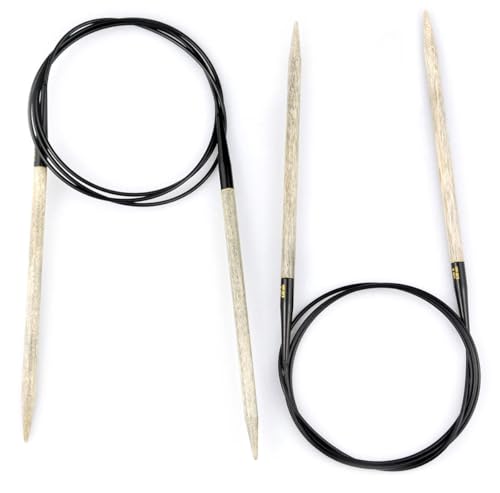
Lykke Driftwood needles are beloved for their beautiful, smooth, grey-toned birch finish. They feel very similar to the Ginger line but offer a slightly different aesthetic and a slightly different weight distribution. The wood is surprisingly strong, meaning you can use them for projects that require a bit of tension without worrying about the tips snapping.
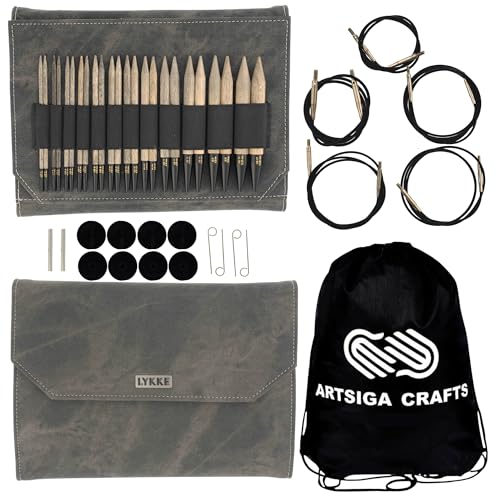
The ergonomic advantage here is the smoothness of the join between the needle and the cable. A snag at the join is a common cause of "tugging," where the knitter unconsciously jerks the needle to get the yarn over the bump. Lykke has mastered a seamless transition that keeps your knitting rhythm fluid and uninterrupted.
If you suffer from arthritis, look for the circular version even if you are knitting flat. Using circular needles allows you to rest the weight of your project on your lap or a tabletop. This simple change removes the need for your wrists to support the weight of the entire garment as it grows.
Denise Interchangeable Set: Best Joint Support

The Denise Interchangeable set is a classic for a reason: the plastic construction makes them exceptionally lightweight, and the locking mechanism is very secure. Because they are made of a high-quality resin, they are virtually weightless in the hand. This is a massive benefit for those who experience flare-ups in their finger joints.
The standout feature for arthritic knitters is the chunky, easy-to-grip design of the needle shafts and the connectors. If you have limited dexterity or difficulty with fine motor movements, the Denise system is much easier to assemble and swap than metal screw-in systems. You don’t need a tiny key or a lot of force to ensure your needles are tight.
While some knitters prefer the "click" of metal, the Denise set offers a quiet, soft knitting experience. They are an excellent "workhorse" set that prioritizes accessibility and ease of use over the premium feel of wood or steel. If your arthritis makes fine motor tasks difficult, these needles are likely your best friend.
Kollage Square Needles: Best for Hand Fatigue

Kollage Square needles are a unique solution to a common problem: the need to grip round needles tightly to keep them from rotating in your hand. The square-shaped shaft provides flat surfaces for your fingers to rest against. This small change in geometry allows you to maintain consistent tension with a much looser, more relaxed grip.
Many knitters find that their stitches become more even when using square needles because the yarn sits more predictably on the flat edges. For those with arthritis, the reduced need to squeeze the needle is a major win. You are essentially using the shape of the tool to do the work that your muscles would otherwise have to perform.
These needles are available in both aluminum and a firm plastic, so you can choose the material that suits your preference for "slick" or "grippy." If you have tried everything else and still find yourself cramping, the square profile is often the final puzzle piece to a pain-free knitting life.
Why Ergonomic Needles Matter for Arthritic Hands

Arthritis causes inflammation and stiffness in the small joints of the hands, making the repetitive motion of knitting a potential trigger for pain. When you use standard, thin, or poorly balanced needles, you force your hands into static, high-tension postures. Over time, this leads to muscle fatigue and increased pressure on your joint cartilage.
Ergonomic needles are designed to counteract these issues by:
- Distributing weight: Allowing the project to rest on your lap or a surface.
- Improving grip: Using shapes or materials that don’t require a firm pinch.
- Enhancing thermal comfort: Using materials that don’t pull heat away from sensitive joints.
It is a misconception that "toughing it out" will build hand strength. In reality, knitting through sharp pain can lead to long-term damage or forced breaks from the craft. Choosing tools that accommodate your physical needs is not an admission of defeat; it is a smart strategy to ensure your longevity as a maker.
How to Adjust Your Grip to Reduce Joint Strain
The most common ergonomic mistake is the "death grip" on the needle tips. Try to consciously relax your hands every few stitches; if you find your knuckles turning white, you are holding on too tight. Focus on holding the needles as if they were delicate bird eggs—secure, but without unnecessary pressure.
Another effective strategy is to alternate your knitting style. If you are a "thrower" (English style), consider learning the basics of "picking" (Continental style). Continental knitting often requires less overall hand movement, which can be a relief for those with wrist or thumb arthritis.
Finally, pay attention to your needle size. If you are knitting with very thin needles (below 3.0mm) for hours, your hands will naturally tense up to maintain control. Try going up a needle size and choosing a slightly "stickier" yarn or needle material to maintain your gauge without the need for extreme tension.
Essential Stretching Exercises for Daily Knitting
Before you even pick up your needles, you should prepare your hands. Start with a simple "prayer stretch": place your palms together in front of your chest and slowly lower them until you feel a gentle stretch in your wrists and forearms. Hold for 15 seconds, and repeat twice.
Next, focus on your fingers by performing "tendon glides." Make a fist, then open your hand wide, stretching your fingers as far apart as possible. This helps maintain range of motion and prevents the stiffness that settles in after a long session of repetitive movements.
Lastly, don’t forget your shoulders and neck. Tension often starts in the upper back and travels down into the hands. Roll your shoulders back and down, and take a few deep breaths to reset your posture. A few minutes of stretching before and after a project can make the difference between a painful session and a productive one.
Managing arthritis in the fiber arts is all about working with your body rather than against it. By investing in ergonomic tools like square needles or those with contoured handles, you can significantly reduce the strain on your joints. Always listen to what your hands are telling you, and never hesitate to take a break or switch to a more comfortable project. With the right adjustments, you can continue to enjoy the meditative rhythm of knitting for many years to come.