6 Best Blocking Frames For Large Afghans To Use
Blocking large afghans requires sturdy, expansive tools. Discover the 6 best frames that provide the stability and space needed for professional-grade results.
Blocking a large afghan is the final, transformative step that turns a bunch of loops into a professional-looking heirloom. Without the right surface, you are left wrestling with pins and limited space, often leading to uneven edges. Choosing a dedicated blocking system changes the process from a chore into a satisfying ritual. These six tools offer the stability and space required to handle heavy, expansive blankets with ease.
Knitter’s Pride Knit Blockers: Best Overall Pick


These aren’t your typical sewing pins; they are essentially heavy-duty plastic combs with multiple stainless steel pins embedded in each piece. When you are blocking a massive blanket, the sheer number of pins required can be overwhelming, but these blockers allow you to secure long, straight edges in a single motion.
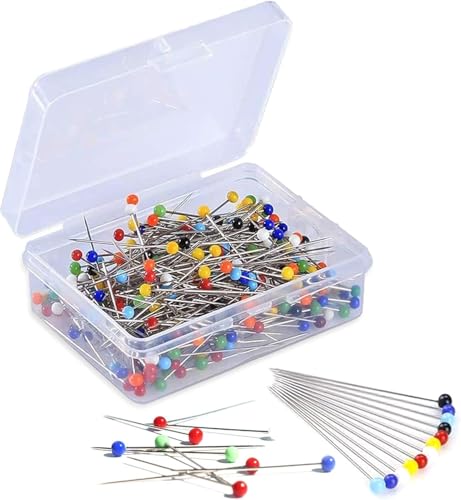
They are particularly effective for acrylics or wool blends that have a bit of "memory" and need firm tension to set the shape. By anchoring a large section of the blanket at once, you maintain a consistent line that individual T-pins simply cannot replicate.
The trade-off is that they are rigid, which makes them less ideal for complex, curved lace borders. However, for the clean, square edges of a large afghan, they are the gold standard for speed and precision.
Boye Interlocking Foam Mats: Best Budget Option

If you are just starting your journey into large-scale projects, you don’t necessarily need a high-end, branded setup to get professional results. These interlocking mats function just like children’s play tiles, providing a consistent, pinnable surface that can be expanded indefinitely as your project grows.
The primary benefit here is the sheer surface area you can create for a fraction of the cost of specialized knitting boards. You can arrange them in a long rectangle for a runner or a large square for a throw, making them highly adaptable to your specific floor space.
Be aware that these tiles are often thinner than premium options, meaning your pins might poke through to the floor underneath. If you are working on hardwood, simply lay down an old towel or a yoga mat first to protect your floors from pin tips.
Exquiss Extra Thick Foam Tiles: Best for Stability

When you are blocking a heavy, wool-blend afghan that has soaked up a significant amount of water, you need a surface that won’t buckle under the weight. These tiles offer superior density and thickness, ensuring that your pins stay upright and firmly anchored throughout the entire drying process.
The extra thickness is a game-changer for heavy cables or thick, chunky weight blankets. You won’t have to worry about pins leaning or popping out, which is a common frustration when using thinner, lower-density foam.
While they take up more storage space due to their bulk, the peace of mind they offer is worth it. If you frequently work with heavy, high-ply natural fibers, this is an investment in stability you won’t regret.
ArtBin Foam Blocking Boards: Best Portable Choice

Sometimes you don’t have a dedicated craft room, and you need to block your project in a space that needs to be cleared quickly. These boards are lightweight and designed to be easily moved, even while a project is pinned to them.
They are excellent for knitters who need to move their blocking setup from the living room to a guest bedroom to stay out of the way of family life. Because they are rigid and portable, you can even stand them up against a wall to save horizontal floor space.
Keep in mind that these boards are often smaller than a full-room floor setup, so you may need to block your afghan in sections. This is a common technique for very large blankets, and these boards make that modular approach seamless.
Clover Blocking Mats: Best for Delicate Fibers
Clover mats are renowned for their high-quality, dense foam that is gentle on delicate fibers like mohair, alpaca, or silk. When you are working with luxury yarns, you want a surface that won’t snag or leave synthetic residue on your precious stitches.
The surface texture is designed to be slightly grippy, which helps hold the fabric in place without requiring excessive tension from your pins. This is crucial for lace afghans where you want to open up the pattern without distorting the delicate structure of the yarn.
While they come at a higher price point, the durability of the material ensures they won’t crumble or degrade over years of heavy use. If you invest in high-end yarn, it only makes sense to use a blocking surface that respects the integrity of the fiber.
Darice Foam Project Mats: Best for Large Afghans

These mats are the workhorse of the knitting community, offering a large, reliable surface area that is perfect for expansive projects. They are straightforward, no-nonsense tools that provide exactly what a knitter needs: a flat, pinnable, and expansive area.
The main advantage is the size-to-price ratio, which allows you to cover a significant portion of a room for a very large blanket. If you are tackling a king-sized afghan, you can easily connect several packs to create a custom blocking zone that fits your project perfectly.
Do not be fooled by their simple appearance; they are highly effective and widely used for a reason. They provide a neutral, stable base that allows the beauty of your stitches to take center stage without any unnecessary bells and whistles.
Essential Features for Large Scale Blocking Mats
- Density: You want a high-density foam that resists pin-lean and prevents pins from piercing through to your floor.
- Modular Design: Interlocking edges are non-negotiable for large projects, allowing you to build the exact shape you need.
- Surface Texture: A grid pattern printed on the mat is a massive help for ensuring your afghan is perfectly square.
- Moisture Resistance: The material must be closed-cell foam to ensure it doesn’t absorb water and grow mold during the long drying process.
How to Properly Pin Your Afghan for Best Results
Start by centering your afghan on the mats, working from the middle outward to ensure even distribution. Use a measuring tape to ensure your corners are at 90-degree angles; "eyeballing" it is a recipe for a blanket that hangs crookedly.
When pinning, place your pins at a slight angle pointing away from the center of the blanket. This creates tension that holds the edge firmly in place against the weight of the fabric.
Don’t overstretch your work, especially with synthetic fibers that may have been "killed" during the process. You want to ease the fabric into shape, not force it into a size that compromises the stitch definition.
Foam vs. Cork: Choosing Your Blocking Surface
Foam is the industry standard for knitters because it is lightweight, waterproof, and inexpensive. It is the most practical choice for the vast majority of afghans, especially those that require a thorough, wet-blocking process.
Cork boards, while aesthetically pleasing and eco-friendly, are often too thin and difficult to pin into for large-scale projects. They are better suited for small, light items like lace doilies or single swatches rather than heavy, wet blankets.
If you are blocking a large afghan, stick with high-density foam. It handles the water content of a soaked blanket without warping, whereas natural materials like cork can become brittle or water-logged over time.
Essential Tips for Drying Heavy Knitted Blankets
- Remove Excess Water: Always roll your afghan in a clean, dry towel and press it firmly before laying it out to block; this cuts drying time in half.
- Airflow is Key: Place your blocking mats near a window or use a fan to encourage air circulation, which prevents the blanket from developing a musty smell.
- Patience is Mandatory: Never unpin your afghan until it is 100% dry; if it feels even slightly cool to the touch, it is still holding moisture and could lose its shape.
- Avoid Direct Heat: Keep your blocking setup away from radiators or direct heaters, as extreme heat can scorch fibers or cause uneven shrinkage.
Blocking is the bridge between a finished project and a functional piece of art. By selecting the right mats for your specific needs, you ensure that your hard work is displayed to its fullest potential. Whether you choose the modular flexibility of foam tiles or the heavy-duty support of thick boards, remember that the goal is consistency and care. Take your time with the pinning process, and your afghan will reward you with years of beautiful, structured comfort.